
Flowers
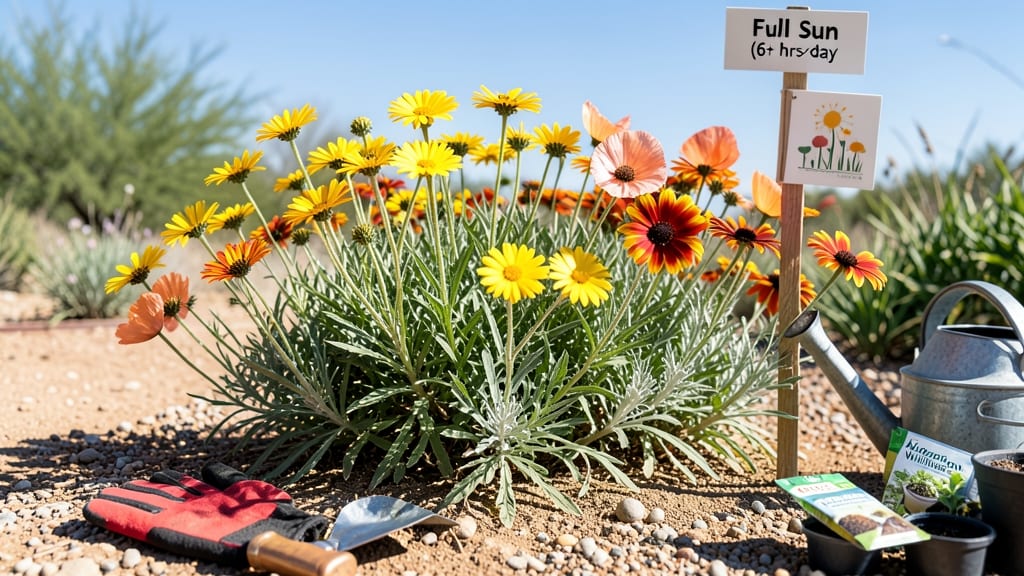
Timing when to plant flowers in Arizona can feel like playing a high-stakes game of chance—one wrong move, and your 🌸 blooms could fry in the desert sun or freeze before they even sprout.
But here’s the secret: the fall and winter months are your golden ticket to success, when cooler temps and shorter days give your plants the perfect head start.
Most gardeners in USDA Zone 9b know that Arizona’s climate isn’t one-size-fits-all—what works in Phoenix’s scorching low desert won’t cut it in Flagstaff’s cooler highlands. That’s why planting between September and March gives your flowers the best shot at thriving, whether you’re growing drought-resistant natives or vibrant annuals.
In this guide, you’ll discover microclimate-specific planting windows that account for Arizona’s quirks, from monsoon surprises to rare winter chills. We’ll cover everything from soil prep to watering hacks so your garden stays lush year-round—no guesswork required.
Ready to turn your Arizona garden into a blooming paradise? Let’s dive into the exact months, flowers, and tricks that’ll make your yard the envy of the neighborhood.
Arizona’s 3 flower planting zones: when to start seeds vs. transplants
Arizona’s diverse microclimates mean your Phoenix garden has different rules than Flagstaff’s high desert. The state spans USDA Zones 6-10, with low deserts (Zone 10) baking year-round and high deserts (Zone 6) experiencing rare frosts.
Understanding these zones helps you time plantings perfectly—whether you’re sowing seeds indoors or transplanting hardy perennials.
For annuals like marigolds or cool-season pansies, I recommend starting seeds 8-10 weeks before your last frost date (January 15 in most areas). In low deserts, this means mid-November for early spring blooms, while high desert gardeners can wait until late February to avoid frost damage.
Transplants, like bougainvillea or desert roses, thrive when soil temps hit 60°F—typically February-March in warmer zones.
Here’s how to match your planting strategy to Arizona’s zones:
| Zone | Key Cities | Seed Start (Indoors) | Transplant Window | Best Flowers |
|---|---|---|---|---|
| Low Desert (Zone 10) | Phoenix, Tucson | Nov–Dec (8–10 wks before last frost) | Feb–March (soil 60°F+) | Desert marigold, lantana, bougainvillea |
| Transition (Zone 8–9) | Sedona, Prescott | Jan–Feb (9–11 wks before frost) | March–April (avoid late frosts) | Blanket flower, salvia, coreopsis |
| High Desert (Zone 6–7) | Flagstaff, Payson | Feb–March (10–12 wks before frost) | April–May (after last frost) | Pansies, snapdragons, delphiniums |
In low deserts, I prioritize heat-tolerant annuals like desert marigolds, which I direct-sow in October to beat the summer heat. These flowers germinate quickly in warm soil and bloom by December, giving you winter color when other plants nap.
For transplants, I wait until February to avoid heat stress—even bougainvillea, a desert staple, wilts if planted too early.
Gardeners in transition zones (e.g., Sedona) have a longer window for cool-season blooms. I start pansies and snapdragons indoors in January and transplant them in March, timing it to avoid late frosts (common until mid-April).
These cool-season favorites thrive in 50–70°F soil, making them perfect for spring gardens.
In high deserts, I focus on hardy perennials like blanket flower and Russian sage, which I transplant in April after the last frost risk passes. These plants establish roots quickly in cooler soil and bloom through summer, handling dry conditions with ease.
I also use row covers for early transplants to protect against late frosts.
Pro tip: Use a soil thermometer to check temps before planting. Seeds need 60–70°F to germinate, while transplants prefer 60°F+ for root growth. In low deserts, I often pre-cool soil with shade cloth in summer to create microclimates for heat-sensitive plants like petunias.
For year-round blooms, I layer cool-season and heat-season flowers. For example, pansies (winter) + zinnias (summer) = nonstop color. Start zinnias indoors in February and transplant in April, while pansies go in October for fall/winter displays.
Remember: Arizona’s monsoons (July–September) can delay planting if soil stays soggy. I always check moisture levels before sowing seeds—wait for dry spells to avoid rot. With these zone-specific tips, you’ll time plantings like a pro and enjoy blooms all year.
Best flowers for Arizona’s extreme heat: heat-tolerant varieties and their ideal planting months
Arizona’s scorching summers can be brutal for most flowers, but some varieties thrive in the 110°F+ heat and low humidity of the desert.
The key is planting heat-tolerant annuals and perennials during their optimal windows—typically late summer to early fall—to give them time to establish roots before the real heat arrives. Native Arizona flowers and drought-resistant imports like bougainvillea and lantana are my go-to choices for year-round color with minimal fuss.
For cool-season bloomers like pansies and snapdragons, timing is critical. Plant them in September or October to avoid wilting during 100°F+ days. These flowers prefer milder temperatures and will bolt (produce seeds prematurely) if exposed to prolonged heat.
Meanwhile, heat-season stars like desert marigolds and blanket flowers can handle planting as late as April or May, as long as they get consistent water until established.
| Flower Type | Ideal Planting Months | Sun Needs | Water Needs | Notes |
|---|---|---|---|---|
| Desert Marigold (Tagetes) | September–November | Full sun | Low (drought-tolerant) | Native; attracts pollinators |
| Bougainvillea | March–April | Full sun | Low (once established) | Thrives in 100°F+ heat |
| Lantana | April–May | Full sun | Medium | Drought-resistant; long bloom season |
| Pansies (Viola) | September–October | Partial shade | Medium | Cool-season bloomer; avoid summer heat |
| Blanket Flower (Gaillardia) | September–November | Full sun | Low | Native perennial; thrives in poor soil |
If you’re aiming for spring blooms, focus on cool-season annuals like calendula and stock, planting them in January or February. These flowers need consistent moisture to prevent bolting, so mulch heavily to retain soil moisture.
For summer color, prioritize heat-loving perennials like salvia and verbena, which can handle the intense sun if planted in late winter or early spring.
One of my top tips? Mulch immediately after planting—whether you’re installing desert-adapted flowers or cool-season varieties. A 2–3 inch layer of organic mulch (like straw or wood chips) locks in moisture and regulates soil temperature, giving young plants the best chance to thrive.
For container gardens, use cactus/succulent mix with added perlite to improve drainage and prevent root rot in the extreme heat.
Don’t overlook monsoon timing either! If you plant in late summer, take advantage of the July–September rains to reduce your watering needs. Just be mindful of fungal risks—water at the base of plants in the morning to let foliage dry quickly.
With the right flowers and timing, you can enjoy nonstop color from spring through fall, even in the desert’s harshest conditions.
For winter blooms, consider pansies, snapdragons, and stock, which can handle cool evenings and even light frosts in higher elevations. Plant these in September or October so they have time to establish before winter sets in.
With a little planning, your Arizona garden can be a year-round paradise—just avoid the peak summer heat for most varieties!