
Flowers
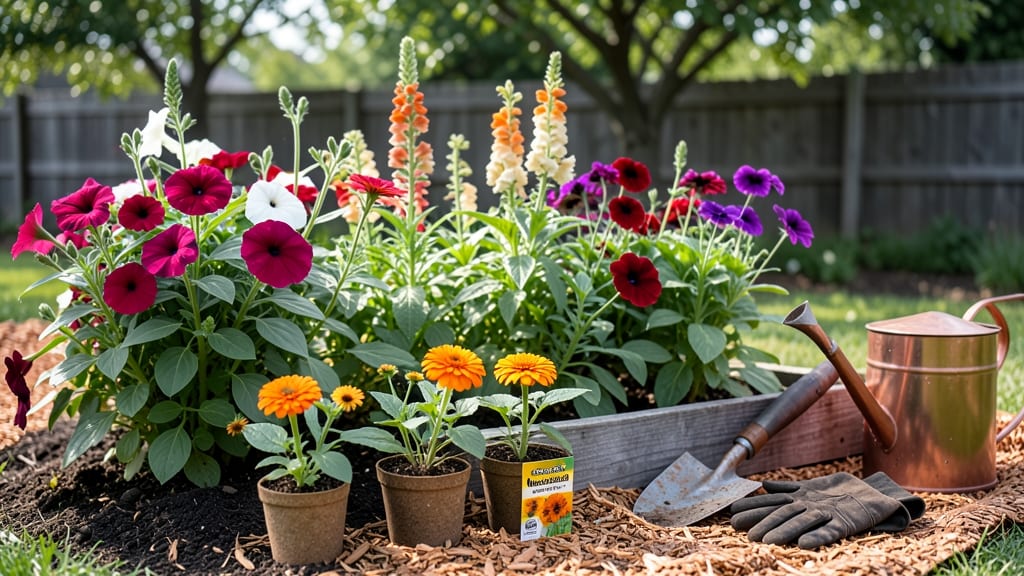
Knowing when to plant flowers in Zone 8 isn't just about checking a calendar—it's about avoiding those late-spring frosts that can turn your dream garden into a sad, wilted mess.
With 240 frost-free days on average, Zone 8 gardeners have a long window, but timing still matters more than you'd think.
Some flowers thrive when planted in early spring, while others beg for a fall start to establish roots before winter. And let's not forget microclimates—your coastal neighbor might plant a month earlier than you inland, where nights still dip below 32°F.
The key? Understanding your specific last-frost dates and soil temperatures.
I’ll break down exactly when to plant annuals, perennials, and bulbs in Zone 8, so you can maximize blooms without risking frost damage. Whether you're a seasoned gardener or just starting, these timing tips will help you create a garden that stays vibrant from spring to fall.
Ready to turn your garden into a year-round showstopper? Let’s get into the month-by-month schedule that works for your Zone 8 microclimate—no guesswork, just gorgeous flowers.
Zone 8 planting timing by flower type: frost-free dates vs. ideal soil temps
In Zone 8, your 240 frost-free days create a prime window for growing annuals, perennials, and bulbs. But timing matters—planting warm-season flowers before soil warms or cool-season blooms too late can stunt growth or invite pests.
Let’s break down the perfect planting schedule by flower type, using last-frost dates and soil temperature thresholds as your guide.
Most Zone 8a areas (like Las Vegas or San Antonio) see their last frost around March 15, while Zone 8b (e.g., Los Angeles or Orlando) warms up by February 15.
However, soil temperature—not air temperature—dictates when seeds germinate. Aim for 60°F+ soil temps for warm-season flowers like marigolds or sunflowers, and 50°F+ for cool-season pansies or snapdragons.
| Flower Type | Best Planting Window | Soil Temp Threshold | Notes |
|---|---|---|---|
| Cool-Season Annuals (Pansies, Snapdragons) | Late August–October or February–March | 50°F+ | Avoid summer heat; mulch to retain moisture. |
| Warm-Season Annuals (Marigolds, Petunias) | March–April (Zone 8a) or February (Zone 8b) | 60°F+ | Start seeds indoors 4–6 weeks before last frost. |
| Perennials (Lavender, Coneflowers) | September–November or March–April | 55°F+ | Fall planting reduces transplant shock. |
| Bulbs (Tulips, Daffodils) | October–November (fall) or February (spring) | 60°F+ (fall) / 50°F+ (spring) | Plant bulbs 6–8 inches deep for winter hardiness. |
For warm-season annuals like geraniums or zinnias, wait until soil temperatures consistently stay above 60°F. Use a soil thermometer to check—these flowers won’t germinate in cooler soil, even if air temps are mild.
Pro tip: Mulch with straw after planting to keep roots warm and retain moisture during Zone 8’s dry springs.
Conversely, cool-season flowers like calendulas or stocks thrive when planted in early fall (August–October) or late winter (February–March). These varieties bolt (go to seed) in summer heat, so avoid planting them after April 15 in most of Zone 8.
For extended blooms, try succession planting—sow seeds every 2–3 weeks from spring to fall.
Perennials like black-eyed Susans or salvias are tougher—they’ll survive Zone 8 winters if planted in fall (September–November). This gives roots time to establish before first frost. For tender perennials (e.g., fuchsias), wait until after April 1 to transplant them outdoors, as they can’t tolerate frost.
Bulbs are a special case. Spring-blooming bulbs like tulips or daffodils need 6–8 weeks of chill time, so plant them in fall (October–November). Summer-blooming bulbs (e.g., dahlias) can wait until March–April, but tuberous varieties (like cannas) thrive when planted after last frost in April–May.
One common mistake in Zone 8 is planting warm-season flowers too early. For example, tomato plants (yes, they’re technically flowers!) or impatiens may sprout in March, but cool nights can stunt their growth.
Use row covers or wait until mid-April for Zone 8a or early March for Zone 8b.
To track your local last-frost dates, check
Microclimate adjustments: how coastal vs. inland Zone 8 gardens differ
Zone 8 spans diverse climates—coastal areas like San Diego and Santa Barbara enjoy milder winters with rare frosts, while inland regions like Las Vegas or Phoenix face colder nights despite similar average temperatures. These differences mean your last-frost date could vary by 4-6 weeks within the same zone.
Coastal Zone 8 gardens often have no frost risk from November to March, allowing year-round planting for frost-sensitive flowers like tropical hibiscus or bougainvillea. Inland areas, however, may still see light frosts as late as March 15, requiring protective measures for delicate blooms.
| Factor | Coastal Zone 8 | Inland Zone 8 |
|---|---|---|
| Last Frost Date | January 15 | March 15 |
| First Frost Date | December 1 | November 15 |
| Soil Temp for Warm-Season Flowers | 60°F (plant after Feb 1) | 65°F (plant after March 15) |
| Risk of Late Frost | Very Low | Moderate (use frost cloth) |
| Best Time for Cool-Season Flowers | September–November | October–December |
To fine-tune your schedule, use the National Oceanic and Atmospheric Administration (NOAA) frost calculator or check local Cooperative Extension Service data. For example, San Diego County often plants marigolds in January, while Arizona desert gardens wait until April for the same variety.
Even within 10 miles, microclimates vary—valleys frost faster than hilltops, and urban areas stay warmer. Plant heat-loving flowers like lantana near south-facing walls, and cool-season blooms like pansies in sheltered spots to extend your season.
Pro tip: Use frost-sensitive indicators like calendula or zinnia as test plants. If they survive overnight, your warm-season flowers are safe to plant. For inland gardeners, a mini greenhouse or row covers can shave 2-3 weeks off your frost risk timeline.
🌿