
Flowers
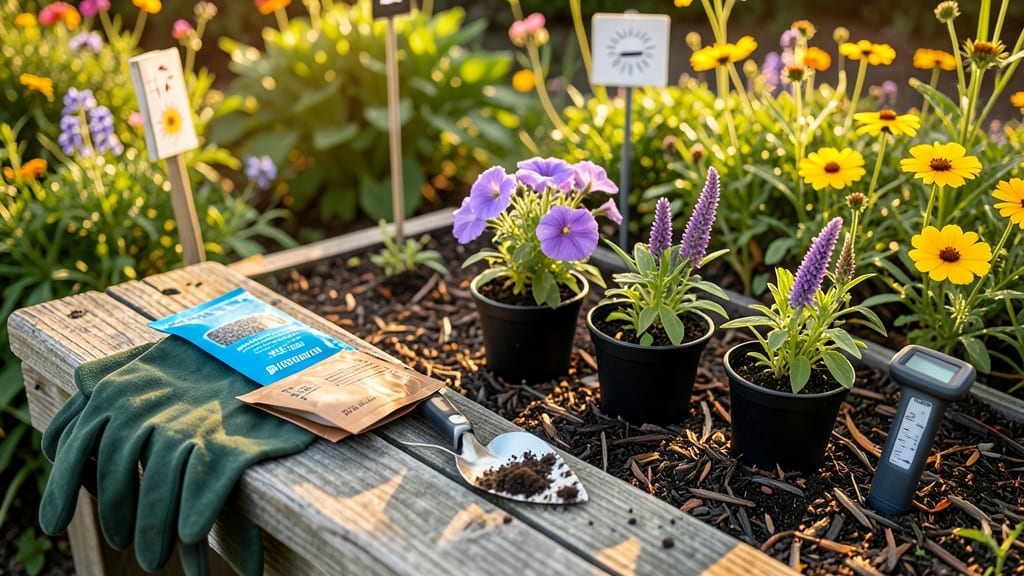
Timing your flowers 🌸 planting in San Antonio isn’t just about following a calendar—it’s about outsmarting the city’s sneaky microclimates. One neighborhood might still see frost in January while another is already hitting 90°F by March, leaving your delicate blooms struggling to survive.
If you’ve ever watched your spring marigolds bolt in the heat or your fall zinnias wilt before they even bloom, you’re not alone.
The key to zero frost risk and maximum bloom power lies in planting at the exact right moment—whether that’s late September for heat-resistant annuals or early March for frost-sensitive perennials.
I’ll break down the science behind San Antonio’s 8a-9a zone planting windows, including how to adjust for urban heat islands, hill country chill, and even your backyard’s unique soil conditions. No more guessing games—just a foolproof schedule to turn your garden into a year-round 🌸 paradise.
Ready to skip the trial-and-error? Let’s dive into the month-by-month planting calendar that actually works for your corner of the Alamo City—where timing isn’t just important, it’s everything.
San Antonio’s 3 microclimates & their ideal flower planting windows
San Antonio’s diverse geography creates three distinct microclimates that dramatically impact when you should plant flowers. Understanding these zones helps you avoid frost damage in cooler areas or heat stress in urban heat pockets.
Each zone has its own last frost date and ideal planting windows for annuals, perennials, and bulbs.
The urban core (including downtown and near the river) experiences heat islands that can delay frost by up to 2 weeks compared to surrounding areas. Meanwhile, the hill country north of the city can see frost 10°F colder and up to 2 weeks earlier.
Suburban areas generally fall in between but may have localized variations based on elevation and wind exposure.
For zero frost risk, focus on planting after March 15 in urban zones or after April 1 in hill country areas. This timing ensures your heat-loving annuals like zinnias and salvias establish roots before summer’s relentless sun.
| Microclimate | Last Frost Date | Ideal Planting Window | Key Flowers | Soil Prep Tip |
|---|---|---|---|---|
| Urban Core | January 25 | March 15–April 15 (spring) / Sept 1–Oct 15 (fall) | Zinnias, Lantanas, Salvias | Add compost to offset heat-retaining concrete |
| Suburban Areas | January 15 | March 1–April 1 (spring) / Aug 20–Sept 30 (fall) | Marigolds, Petunias, Coreopsis | Test soil pH (aim for 6.0–7.0) |
| Hill Country | February 1 | April 1–May 1 (spring) / Sept 15–Oct 30 (fall) | Blackfoot Daisies, Mexican Feathergrass, Blanket Flowers | Mulch heavily to retain moisture |
In the urban core, prioritize heat-resistant varieties like zinnias and lantanas, which thrive in the intense summer heat. These plants need well-draining soil to prevent root rot from frequent watering during the hot months. Amend heavy clay soils with organic matter like compost or aged manure before planting.
For suburban gardens, focus on cool-season annuals like marigolds and petunias in fall, planting them 6–8 weeks before first frost. These flowers establish roots quickly and bloom reliably through winter’s mildest months. Use shade cloth in late summer to protect young plants from scorching.
The hill country offers longer growing seasons for native wildflowers like blackfoot daisies and blanket flowers. Plant these perennials in fall to give them time to develop deep roots before summer’s dry spells. Water deeply but infrequently to encourage drought tolerance.
Regardless of microclimate, always check soil temperatures before planting. Use a soil thermometer—ideal temps for most flowers are between 60°F–75°F. Cool soils slow germination, while overly warm soils can stress young seedlings.
Pro tip: Use mulch (2–3 inches) to moderate soil temps and retain moisture. Organic mulches like straw or wood chips also improve soil structure over time, making future plantings even more successful.
🌿
Month-by-month flower planting calendar for San Antonio gardens
San Antonio’s 240 frost-free days create a long growing season, but timing matters. Plant heat-resistant annuals like zinnias and salvias in fall (September–November) to beat summer heat, while cool-season blooms like pansies thrive in winter (December–February). Here’s your month-by-month guide to maximize blooms.
Start with bulbs in October—plant daffodils and tulips 6 weeks before first frost (mid-December). Their roots establish before winter chill sets in. For spring-blooming perennials like black-eyed Susans, sow seeds in February for late-spring color.
Shift to spring planting in February–March for heat-tolerant perennials like salvias and coneflowers. Plant 2–4 weeks before last frost (January 15) to ensure roots establish before summer heat arrives. For container gardens, start petunias and geraniums indoors in late January to transplant outside by March 1.
Skip summer planting—June–August heat (often 100°F+) stresses young plants. Instead, direct-sow fast-germinating seeds like sunflowers in late August for fall blooms. Mulch heavily to retain moisture and reduce soil temps by 10°F.
Pro tip: Use shade cloth over new plantings in April–May to protect from scorching while roots grow. Adjust watering to morning only to prevent fungal diseases in San Antonio’s humid summers. 🌿