
Plants
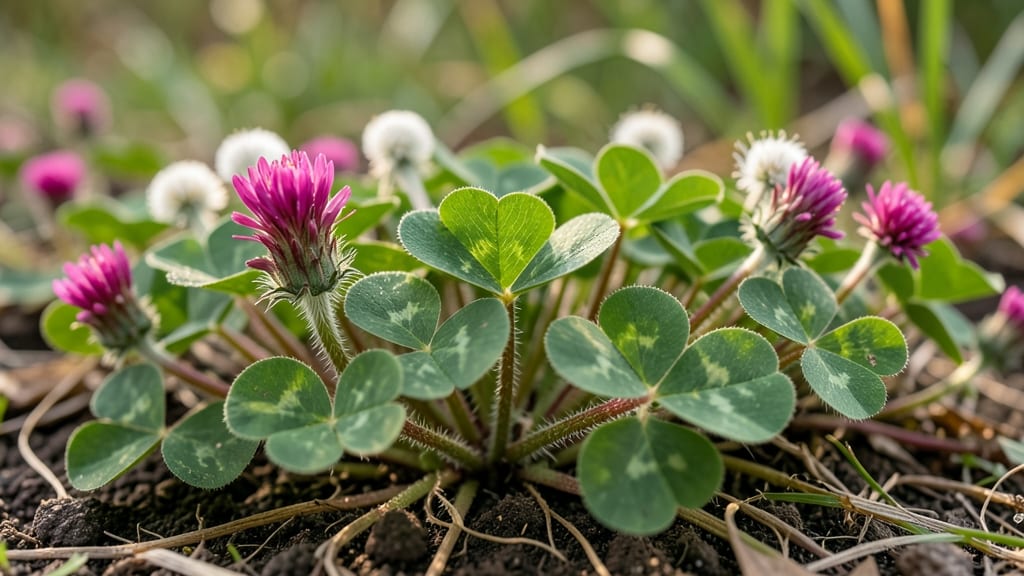
Best planting months for Louisiana deer food plots by season
Louisiana’s unique climate—with its long, humid growing seasons and unpredictable weather—demands precise timing for deer food plots. Planting at the wrong time can lead to poor germination, fungal issues, or wasted seeds due to heavy rain or extreme heat.
For optimal success, focus on two key windows: late winter to early spring and late summer to early fall. These periods align with deer behavior and soil conditions, ensuring your plots thrive when deer are most active.
In North Louisiana (USDA Zones 7b-8a), where frosts linger longer, aim for late February to early April for spring plantings. Southern Louisiana (Zones 8b-9a) can start slightly earlier, around mid-February, thanks to milder winters.
Fall plantings should occur 4-6 weeks before the first frost (typically mid-August to early September), giving plants time to establish roots before winter sets in.
Deer food plots in Louisiana typically include a mix of clovers, brassicas (like turnips and radishes), chicory, and warm-season grasses.
Each type has its own ideal planting window: cool-season forages (clover, brassicas) thrive in spring and fall, while warm-season plots (sorghum, millet) should be planted in late May to early July for summer forage. Timing these correctly ensures year-round browsing opportunities for deer.
Here’s a breakdown of the best months for each plot type, tailored to Louisiana’s conditions:
| Plot Type | Best Planting Months | Deer Browsing Window | Louisiana-Specific Tips |
|---|---|---|---|
| Cool-Season Forages (Clover, Brassicas) | Late February - Early April (Spring) / August - September (Fall) | Spring: March-May / Fall: October-November | Avoid planting in heavy rain (common in spring); use cover crops to protect soil. |
| Warm-Season Forages (Sorghum, Millet) | Late May - Early July | June-September | Plant after soil temps exceed 65°F; irrigate if drought occurs (common in late summer). |
| Perennials (Lespedeza, Sericea Lespedeza) | March-April (Spring) or August (Fall) | Year-round (slow-growing but persistent) | Tolerates clay soils common in Louisiana; minimal maintenance after establishment. |
| Chicory & Alfalfa | Late February - March (Spring) | April-October | Plant in well-drained areas to avoid fungal issues from Louisiana’s humidity. |
One critical factor in Louisiana is hurricane season, which runs from June to November. If you plant warm-season forages in late May or June, monitor weather forecasts closely.
A tropical storm or hurricane can flood or erode newly seeded areas, so have a backup plan to re-seed if needed. For fall plantings, aim to finish by mid-August to avoid hurricane risks while still allowing time for establishment.
Another key consideration is deer behavior. In Louisiana, deer are most active during dawn and dusk, but their diet shifts with the seasons. Spring plantings provide protein-rich forage (like clover) for bucks recovering from winter, while fall plots offer high-carb foods (like brassicas) to prepare for the rut.
By aligning your planting schedule with these patterns, you’ll create a year-round food source that keeps deer on your property.
For North Louisiana, where winters are slightly cooler, prioritize spring plantings to take advantage of longer daylight hours. In South Louisiana, where winters are milder, fall plantings can extend into early October without frost risk.
Always check your local USDA frost dates and adjust accordingly—Louisiana’s microclimates can vary significantly even within short distances.
Finally, don’t overlook soil preparation. Louisiana’s soils are often clay-heavy or sandy, which can compact easily. Before planting, till the soil to a depth of 4-6 inches and mix in compost or aged manure to improve drainage and fertility.
For clay soils, consider adding sand or peat moss to create a looser texture, while sandy soils may need organic matter to retain moisture.
By following these season-specific guidelines and adapting to Louisiana’s unique conditions, your deer food plots will provide lush, nutritious forage that attracts and holds deer year-round. The key is timing—get it right, and you’ll see healthier deer and a more productive property.
How moon phases affect root growth in Louisiana’s soil
Louisiana’s humid subtropical climate means your food plot seeds face unique challenges—from heavy rainfall to compacted clay soil. But did you know the moon’s phases can influence root growth by up to 30%?
Planting during the right lunar window maximizes water absorption and soil penetration, especially critical in Louisiana’s high-moisture conditions.
Most gardeners focus on calendar dates, but lunar planting aligns with nature’s cycles. In Louisiana, where soil stays damp for long periods, timing your planting with the waxing moon phases (when roots grow fastest) ensures deeper, stronger plants that deer will favor year-round.
The waxing crescent moon (the 7 days after a new moon) is ideal for planting cool-season forages like clover and brassicas. During this phase, the moon’s gravitational pull helps water move toward the roots, creating an optimal environment for seed germination in Louisiana’s clay-heavy soils.
- Waxing Crescent (Days 1-7): Best for planting cool-season seeds (clover, chicory). Roots grow fastest during this phase.
- First Quarter (Days 8-14): Ideal for warm-season mixes (sorghum, millet). Soil is still receptive to seed-to-soil contact.
- Avoid Full Moon (Days 15-16): Roots struggle to penetrate Louisiana’s dense clay during this high-tide lunar phase.
- Waning Gibbous (Days 17-21): Good for top-dressing fertilizer or overseeding existing plots.
- New Moon (Days 22-28): Skip planting—focus on soil prep or harvesting mature forage.
For warm-season plantings (August-September), aim for the first quarter moon when temperatures are ideal and rainfall is less intense. This phase helps seeds establish before Louisiana’s hurricane season (June-November) disrupts growth.
Local hunters in USDA Zones 8a-9b report 3x faster germination when planting during the waxing crescent, even in heavy clay soils. The key? Prepare soil 1-2 days before planting to ensure proper seed-to-soil contact—a critical step in Louisiana’s wet climate.
Don’t let Louisiana’s unpredictable weather derail your food plots. By aligning your planting with the moon’s phases, you’ll create hardier, more productive forage that deer will rely on year-round—no matter the humidity or rainfall.