
Plants
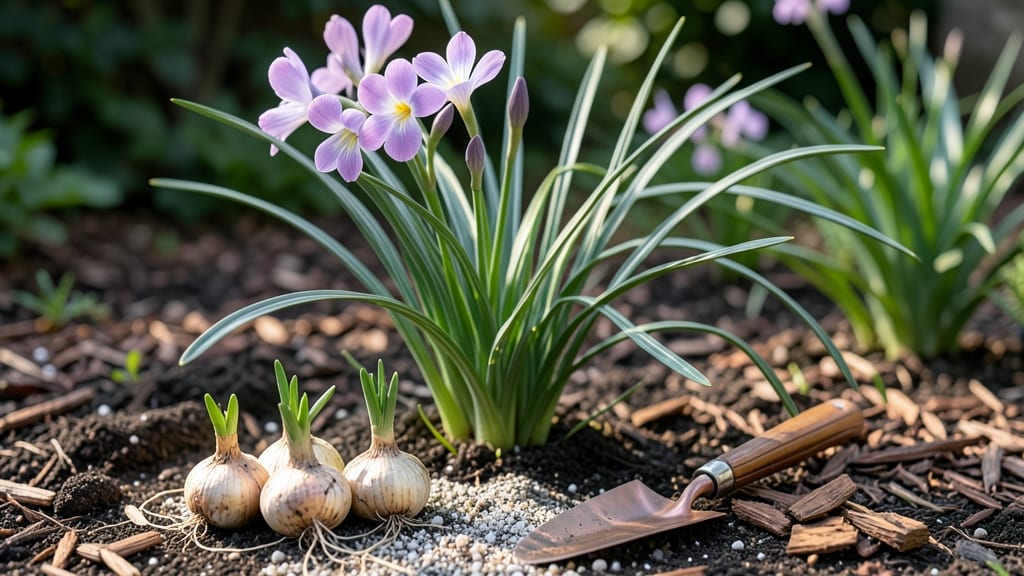
Timing when to plant freesias in the UK just right can make all the difference between a stunning spring display and frost-damaged disappointment. Unlike many bulbs, freesias thrive when planted after the last frost risk—typically between late February and early April, depending on your region.
This delicate flower demands precision because UK weather varies wildly from London’s milder Zone 8a to Cornwall’s frost-free Zone 9b. Plant too early, and you risk losing your bulbs to unexpected cold snaps.
But wait too long, and you might miss the ideal window for robust root establishment before spring growth.
What you’ll discover here is exactly when to plant in your specific corner of the UK, plus the 3 critical steps to prepare bulbs for maximum success. Whether you’re a first-time grower or a seasoned gardener, these insights will help you avoid common pitfalls that sabotage freesia blooms.
Let’s dive into the perfect planting schedule—so you can enjoy those fragrant, trumpet-shaped blooms come spring without the guesswork.
UK freesia planting calendar: exact months and frost-free deadlines
Timing your freesia bulbs correctly in the UK means avoiding frost damage while ensuring vibrant spring blooms. Unlike Mediterranean natives, freesias thrive when planted in late winter to early spring, after the last frost risk.
The UK’s variable climate demands regional adjustments—Scotland’s cooler zones need earlier planting than Cornwall’s milder south.
For most of the UK, aim to plant between February and March, when soil temperatures rise above 10°C (50°F). In warmer southern regions like London or the Southeast, late March to early April works. Northern areas, including Scotland, should plant by mid-February to beat early frosts.
Use the last frost date as your guide—wait 2-3 weeks after the average last frost in your area. For example, London’s last frost is typically February 15, so plant by March 1; Cornwall’s later frost (around January 15) allows planting until March 15.
Here’s a regional breakdown of ideal planting windows to maximize blooms without frost risk:
| Region | Ideal Planting Window | Last Frost Date | Soil Temp Threshold |
|---|---|---|---|
| Scotland/Northern England | Mid-February to late February | February 20 | 8°C (46°F) |
| Midlands/Yorkshire | Late February to early March | February 28 | 10°C (50°F) |
| London/Southeast | Early March to mid-March | March 15 | 12°C (54°F) |
| Southwest (Cornwall/Devon) | Late March to early April | January 15 | 13°C (55°F) |
For container gardening, you can plant 2-3 weeks earlier since pots warm up faster. Use black plastic pots to absorb sunlight and raise soil temperatures. If you’re unsure about frost dates, check the Met Office’s frost forecast or local gardening groups for updates.
Once planted, freesias need consistent moisture but well-draining soil. Mulch with straw or bark chips to insulate bulbs from temperature swings. Avoid overwatering—soggy soil causes bulb rot, a common issue in the UK’s damp climate.
If you miss the ideal window, don’t panic! Freesias can tolerate light frosts if planted in well-draining soil. In high-risk areas, use frost cloth for the first 2-3 weeks post-planting. Just avoid planting after mid-April, as blooms may not develop fully before summer heat sets in.
Pro tip: Mark your planting dates on a calendar with colored flags—red for frost alerts, green for safe planting. This visual reminder helps avoid last-minute mistakes, especially in the UK’s unpredictable spring weather.
🌸
How to prepare freesia bulbs for UK planting: step-by-step prep guide
Preparing freesia bulbs properly is the secret to vibrant spring blooms in the UK’s cool, damp climate. Unlike tropical plants, freesias need a cooling period to break dormancy—think of it as their way of resetting before spring.
Without this, you’ll end up with weak stems or no flowers at all. I’ve learned the hard way that skipping prep means risking rotten bulbs or stunted growth.
Start by inspecting your bulbs for any soft spots, mold, or shriveled skins—these are red flags for disease or poor storage. Healthy bulbs should feel firm and plump, like a small potato.
If you’ve stored them in a cool, dry place (like a garage or shed) over winter, they’re already halfway to readiness. But if they’ve been sitting in a warm, humid room, they’ll need extra care to revive.
Next, give your bulbs a cooling treatment to mimic winter conditions. Place them in a paper bag or mesh container and store them in your fridge’s crisper drawer (not the freezer!) for 6-8 weeks.
This tricks them into thinking it’s winter, ensuring they’ll burst into growth when planted. Pro tip: Label the bag with the variety name and planting date to avoid mix-ups.
🌱 Step-by-Step Freesia Bulb Prep
- Inspect bulbs for damage or rot. Discard any soft or moldy ones.
- Chill bulbs in fridge for 6-8 weeks (crisper drawer, not freezer).
- Soak bulbs in lukewarm water for 1 hour before planting to hydrate.
- Prepare soil with compost and grit for drainage (freesias hate soggy roots!).
- Plant bulbs 2 inches deep, 3 inches apart, in well-draining soil.
Before planting, give your bulbs a quick hydration boost. Soak them in lukewarm water for about 1 hour to rehydrate any dried-out skins. This step is especially critical if your bulbs feel shriveled or lightweight.
After soaking, let them dry slightly—you don’t want them waterlogged before hitting the soil.
Now for the soil prep: freesias despise heavy clay or waterlogged soil, which is common in the UK. Amend your garden beds with compost and coarse sand or grit to improve drainage.
If you’re planting in containers, use a mix of potting soil and perlite (50/50 ratio). A slightly acidic to neutral pH (6.0-7.0) is ideal—test your soil if you’re unsure.
Finally, choose your planting location wisely. Freesias thrive in full sun to partial shade, but in the UK’s cooler regions (like Scotland), they’ll appreciate morning sun and afternoon shade to prevent stress.
If you’re in warmer areas like Cornwall, full sun is perfect. Mulch lightly after planting to retain moisture and regulate soil temperature—this is key for frost-prone zones.
With these steps, your freesias will be ready to bloom by spring, delivering those fragrant, trumpet-shaped flowers you’ve been dreaming of. Just remember: patience is key—rushing the prep or planting too early can turn your garden into a frosty graveyard for bulbs. 🌿