
Trees
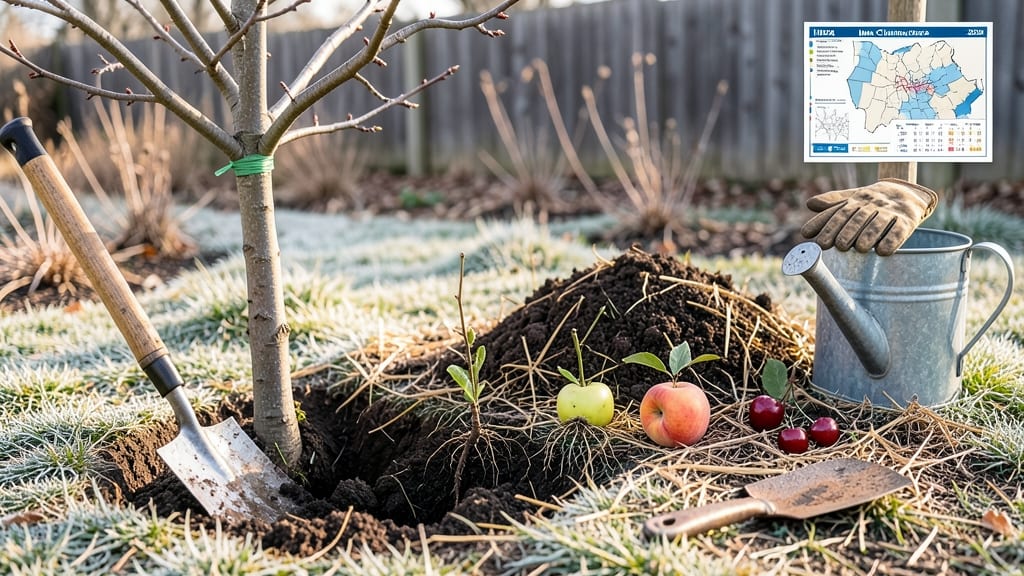
Timing is everything when it comes to planting fruit trees in Iowa—get it wrong, and you risk frost damage or weak root growth that could stall your harvest for years. With Iowa’s 5a-6b climate swinging between bitter winters and unpredictable spring frosts, knowing the exact window to plant your 🍎 trees makes the difference between thriving orchards and struggling saplings.
Most gardeners assume spring is the only option, but fall planting actually gives your fruit trees a head start. The ideal months are early spring (March-April) or fall (September-October), when soil temperatures are cool but frost isn’t lurking.
This timing lets roots establish before extreme heat or cold hits, setting your trees up for stronger growth and bigger yields down the road.
Why does this matter so much? Because Iowa’s last frost can hit as late as April 15, and planting too early means tender roots freezing in the ground. Meanwhile, waiting too long delays root development, leaving trees vulnerable when winter arrives.
I’ll break down the best strategies for both spring and fall planting, plus how to adjust for your specific Iowa location—whether you’re in the northern clay soils or southern loess hills.
Ready to plant with confidence? Let’s dive into the exact techniques that’ll help your fruit trees take root like pros—no guesswork, just proven results for Iowa’s growing conditions.
Best planting months for fruit trees in Iowa by variety
Timing is everything when planting fruit trees in Iowa, where USDA zones 5a-6b bring unpredictable frosts and short growing seasons. The ideal window is either early spring (March-April) or fall (September-October), when soil is workable but air temperatures are mild enough to prevent stress.
For bare-root trees, spring planting gives roots time to establish before summer heat, while fall planting allows roots to grow before winter dormancy.
Iowa’s last average frost date hovers around April 15, but this varies yearly—always check local forecasts. Planting stone fruits (peaches, cherries) too early risks frost damage to blossoms, while pome fruits (apples, pears) are more frost-tolerant once established.
In southern Iowa (zone 6b), you can push planting to late April, but northern Iowa (zone 5a) demands earlier planting by mid-March to avoid late frosts.
Fall planting offers a second chance, especially for container-grown trees, which adapt better to late-season stress. Aim to plant 6-8 weeks before the first frost (mid-October) to allow roots to establish.
Avoid planting in November or later, as cold soil stunts root growth and weakens the tree’s ability to survive winter.
Here’s how to align your planting with Iowa’s climate and fruit tree types for maximum success:
| Fruit Type | Best Planting Months | Key Considerations | Iowa-Specific Tips |
|---|---|---|---|
| Stone Fruits (Peaches, Cherries, Plums) | Late March–Early April (spring) or Early September (fall) | Bloom early; frost-sensitive. Plant after last frost or use frost blankets. | Choose late-blooming varieties (e.g., ‘Montmorency’ cherry) for zone 5a. |
| Pome Fruits (Apples, Pears, Quince) | Early April–Mid-May (spring) or Mid-September–October (fall) | Hardier than stone fruits; tolerate light spring frosts once established. | Dwarf varieties (e.g., ‘Honeycrisp’ apple) adapt better to urban Iowa gardens. |
| Berries (Blueberries, Raspberries, Currants) | Early April (spring) or Early September (fall) | Acid-loving plants; need well-draining, acidic soil (pH 4.5–5.5). | Amend Iowa’s clay soil with peat moss or pine needles for optimal pH. |
| Grapes (Vineyard or Trellis) | Late April–Early May (spring) or Late September (fall) | Cold-hardy but need full sun and wind protection. | Plant near south-facing fences in northern Iowa to extend the growing season. |
For bare-root trees, prioritize spring planting to avoid winter desiccation—a common issue in Iowa’s dry winds.
If you opt for fall planting, water deeply before the ground freezes to protect roots. Container-grown trees offer flexibility, as they can be planted year-round, but avoid extreme heat or cold (e.g., July or January).
Iowa’s clay-heavy soils can slow root establishment, so amend planting holes with compost or sand to improve drainage. In urban areas, where microclimates vary, monitor local weather patterns closely—sidewalks and buildings can create warmer pockets that delay frost.
Pro tip: Use a soil thermometer to confirm soil temps are above 40°F before planting. In northern Iowa, wait until soil warms to 50°F for stone fruits to avoid root rot.
For southern Iowa, early April is often safe, but always have frost cloth on hand for young trees.
Remember, the first 2 years are critical for root development. A tree planted in optimal conditions will bear fruit 3–5 years earlier than one stressed by poor timing. With Iowa’s climate, precision planting isn’t just about the calendar—it’s about reading the soil and sky.
🌱
Best planting months for fruit trees in Iowa by variety
Iowa’s USDA zones 4-6 create unique challenges for fruit tree planting, but understanding the optimal windows for each variety ensures strong root growth before winter.
For stone fruits like peaches and cherries, aim for early spring (March-April) when soil temperatures rise above 40°F—this gives roots time to establish before Iowa’s unpredictable late frosts.
Pome fruits such as apples and pears thrive when planted in fall (September-October), allowing roots to grow undisturbed through winter. Bare-root trees planted in fall can even start root development before the ground freezes, giving them a head start in spring.
🍎 Iowa Fruit Tree Planting Guide
| Variety | Best Planting Window | Notes |
|---|---|---|
| Peaches | Early Spring (March-April) | Susceptible to late frosts; choose cold-hardy varieties. |
| Cherries | Early Spring (March-April) | Bare-root preferred; avoid planting near existing trees. |
| Apples | Fall (September-October) | Fall planting allows root growth before winter dormancy. |
| Pears | Fall (September-October) | Dwarf varieties adapt well to Iowa’s shorter growing season. |
| Plums | Early Spring or Fall | Tolerates both planting times but prefers well-drained soil. |
If you’re planting container-grown trees, you have more flexibility—these can go in the ground year-round, but avoid extreme heat or frost. For bare-root trees, however, timing is critical: planting too early risks frost damage, while waiting too long delays root establishment.
For northern Iowa (zones 4-5), prioritize fall planting to avoid spring’s late frosts, which can kill tender new growth. In southern Iowa (zone 6), early spring planting works well, but monitor soil temperatures—roots need consistency above 45°F to thrive.
One of my favorite Iowa-friendly varieties is the Honeycrisp apple, which thrives in both spring and fall plantings. For stone fruits like peaches, I always opt for cold-hardy varieties such as Reluctant or Contender to survive Iowa’s unpredictable spring frosts.
Pro tip: Use mulch (straw or wood chips) after planting to insulate roots and retain moisture—critical in Iowa’s dry summers and freezing winters. 🌱