
Trees
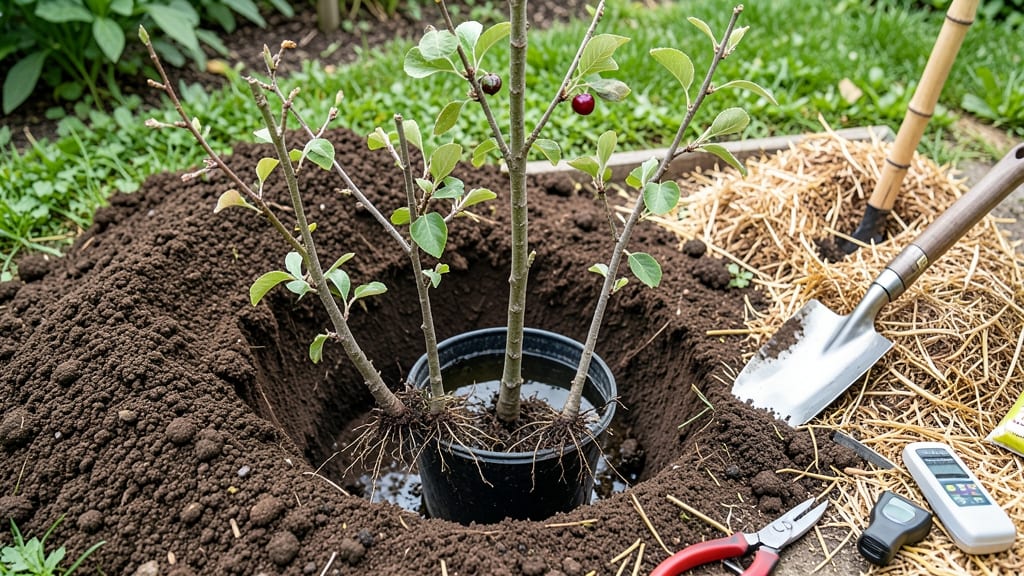
Zone 5 soil temperature triggers for fruit tree planting success
Understanding soil temperature is the key to planting fruit trees in Zone 5—where cold snaps can still linger into May. The ideal window opens when soil temps consistently reach 40-50°F, signaling root zones are active but frost isn't imminent.
This balance ensures your young tree's roots establish quickly without shock from sudden freezes.
Most nurseries recommend planting bare-root trees in early spring (March-April) or early fall (September-October), but these are general guidelines. In Zone 5, where last frost dates vary 2-3 weeks between microclimates, soil temperature is your true north.
Use a soil thermometer to verify—plant when temps stay above 45°F for 5+ days.
Why does this matter? Root establishment is critical—trees planted in cold soil struggle to absorb moisture and nutrients, leading to stunted growth. A well-timed planting means your tree can focus energy on root expansion during its first 6-8 weeks above ground, not just surviving.
| Soil Temperature Stage | Action | Zone 5 Timing |
|---|---|---|
| Below 40°F | Hold off planting—roots won't activate | Late winter (Feb-March) |
| 40-45°F (consistent) | Prepare planting hole; amend soil | Early spring (March-April) |
| 45-50°F (ideal) | Plant trees—roots establish fastest | Mid-April to early May |
| Above 50°F | Risk of drought stress; prioritize mulch | Late May onward |
🌱 Pro Tip: Use a soil thermometer for 3 days to confirm trends before planting.
Zone 5 gardeners often face microclimate variations—a south-facing slope may warm 2-3 weeks faster than a low-lying area. Check local USDA frost maps and adjust your timing accordingly.
For example, apple trees planted in early April in a sheltered spot might thrive, while the same variety in a frost pocket could suffer.
Another critical factor is moisture retention. Soil that's too cold holds excess water, suffocating roots. Amend your planting hole with compost or peat moss to improve drainage while retaining moisture. Aim for a loamy texture—sandy soils warm faster but dry out quicker, while clay holds cold longer.
If you're planting container-grown trees, timing is slightly more flexible since their roots aren't exposed to ground temps. However, avoid planting when daytime highs exceed 85°F, as transplant shock becomes a major risk.
Early fall (September) is often the second-best window for these trees, allowing roots to establish before winter dormancy.
Remember: Bare-root trees must be planted immediately after purchase if roots appear dry. Soak them in water for 1-2 hours before planting to rehydrate. For container-grown trees, inspect roots—if they're circling, trim gently and loosen the root ball to encourage outward growth post-planting.
After planting, mulch heavily (3-4 inches) with wood chips or straw to insulate roots from temperature swings. This buffer zone helps maintain consistent soil temps and reduces water evaporation. Monitor your tree's progress by checking new leaf growth—vigorous shoots mean roots are thriving.
One common mistake is waiting for last frost dates as the sole guide. While helpful, these dates don't account for soil warmth.
For instance, a late-May frost might not harm a tree planted in early April if roots are already established—but it could damage a tree planted in late April with shallow roots.
For maximum success, combine soil temperature checks with bud swell observations. When buds on your tree begin to plump (a sign of active growth), it's your final cue that roots are ready to thrive. This typically aligns with soil temps of 50°F+ in Zone 5.
Zone 5 soil temperature triggers for fruit tree planting success
In Zone 5, soil temperature is the real game-changer when planting fruit trees. Unlike air temperature, soil stays warmer longer and signals when roots can safely establish. Aim for 40-50°F—this range ensures roots avoid frost damage while staying active enough to grow.
Cold soil (below 40°F) can shock roots, while soil above 50°F might dry out too quickly.
To test your soil temperature, use a soil thermometer buried 4-6 inches deep. Check it daily in early spring—most Zone 5 regions hit that sweet spot between late April and early May.
Pro tip: Morning readings are most accurate since soil cools overnight. If you're planting in fall, aim for 50-60°F soil before the first frost.
🌱 Soil Temperature Planting Guide for Zone 5 Fruit Trees
| Soil Temp Range | Best Planting Time | Root Activity | Risk Level |
|---|---|---|---|
| Below 40°F | Avoid planting | Dormant | High (frost damage) |
| 40-50°F | Ideal window | Slow growth | Low |
| 50-60°F | Good for fall planting | Moderate growth | Medium |
| Above 60°F | Risky (drought stress) | Rapid growth | High (transplant shock) |
💡 Pro Tip: Use mulch (straw or wood chips) to regulate soil temperature and retain moisture during planting.
Why does this matter so much? Root establishment is the foundation of a healthy fruit tree. When planted in the right soil temperature range, roots grow 3x faster because they’re not stressed by cold or heat. Poor root growth leads to stunted trees that struggle to produce fruit later.
I’ve seen bare-root trees planted in cold soil (below 40°F) fail to thrive, while the same variety planted at 45°F grew vigorously within weeks.
Don’t rely on air temperature alone—it can drop 20°F colder than soil at night. For example, a 50°F air temp might hide 35°F soil, which is too cold for planting. Use a soil thermometer for accuracy, especially in microclimates like south-facing slopes or low-lying areas where soil warms faster.
If you’re in doubt, wait. Late spring planting (early May) is always safer than rushing too early. I once planted a peach tree in March when soil was 38°F, and it took 2 years to recover.
The same tree planted in May the next year flourished immediately. Patience pays off—your future harvest depends on those first few weeks of root growth.
For container-grown trees, timing is slightly more flexible since roots are already established. However, you still want soil temps above 40°F to prevent shock. Water deeply after planting to help soil warm up faster, and avoid working the soil if it’s muddy or compacted—this can damage delicate roots.