
Trees
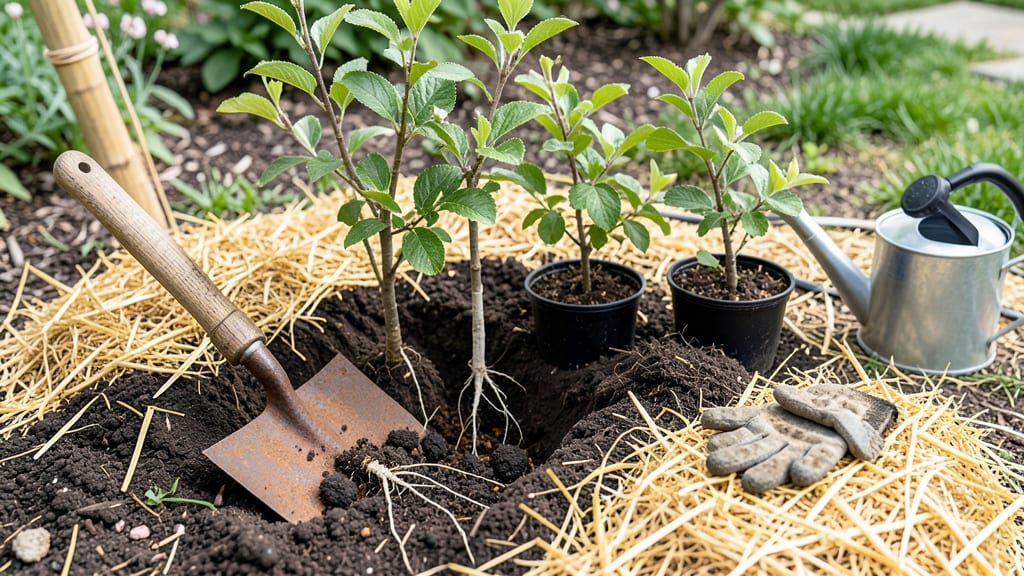
Timing your fruit tree 🍎 planting in Zone 6 can make or break your orchard’s success—get it wrong, and you’re staring at stunted growth or frost-damaged roots. The ideal window isn’t just "spring"; it’s a precise balance of soil warmth, frost-free days, and variety-specific needs that most gardeners overlook.
I’ve planted Zone 6 fruit trees for years, and the difference between a thriving orchard and a struggling sapling often comes down to 3 simple rules: planting after your last frost (typically mid-April to early May), choosing the right variety for your microclimate, and preparing the soil ahead of time.
Skip these steps, and you’ll waste months waiting for roots to establish—or worse, watch your investment wither.
In this guide, I’ll break down the exact planting dates by fruit type—whether you’re growing apples, peaches, or cherries—and how to adjust for your specific Zone 6 conditions.
You’ll learn when to plant bare-root vs. container-grown trees, how to protect young roots from late frosts, and the one soil prep trick that doubles root growth in the first season.
Ready to plant with confidence? Let’s dig into the science—and save you from the common mistakes that derail even the most eager gardeners.
Best planting months for fruit trees in Zone 6 by variety type
Zone 6 gardeners have a narrow but critical window for planting fruit trees—typically between late April and early June. This timing ensures trees establish roots before summer heat stress while avoiding late spring frosts that can damage emerging buds.
The key is understanding each fruit tree's dormancy requirements and soil temperature thresholds.
For stone fruits like peaches, plums, and cherries, the ideal window is April to early May.
These trees need to break dormancy and begin active growth before summer arrives. Pome fruits (apples, pears) are slightly more flexible, allowing planting through early June—but only if soil temperatures stay above 50°F (10°C).
Citrus alternatives like figs or pomegranates (hardy varieties) can tolerate slightly later planting, but they still require well-draining soil and protection from late frosts. Always check your local last frost date—Zone 6 ranges from mid-April to early May, depending on microclimates.
| Fruit Type | Best Planting Window | Soil Temp Threshold | Dormancy Notes |
|---|---|---|---|
| Stone Fruits (Peaches, Plums, Cherries) | Late April - Early May | 50°F (10°C) | Must break dormancy before summer heat |
| Pome Fruits (Apples, Pears) | April - Early June | 45°F (7°C) | Flexible but avoid late frosts |
| Citrus Alternatives (Figs, Pomegranates) | May - Early June | 60°F (15°C) | Hardy varieties only; needs warmth |
| Bare-Root Trees | March - Early April | 40°F (4°C) | Plant before buds swell |
| Container-Grown Trees | April - Early June | 50°F (10°C) | Can plant later than bare-root |
Bare-root trees deserve special attention—they must be planted in early spring (March to early April) before buds begin to swell. These trees are dormant but alive, and delaying planting can cause root desiccation or premature bud break.
If you miss this window, opt for container-grown trees, which can handle later planting through early June.
Soil temperature is your best indicator for readiness. Use a soil thermometer to confirm temps are consistently above 50°F (10°C) at a 6-inch depth. Cold soil slows root growth, leaving trees vulnerable to transplant shock and pest pressure.
For dwarf varieties, timing is equally critical but slightly more forgiving. Their smaller root systems establish faster, allowing a 1-2 week extension into early June. Just ensure they receive consistent moisture during their first growing season to compensate for their reduced root zone.
Pro tip: If you’re planting in late May or June, prioritize mulching with 4-6 inches of organic matter (straw or wood chips) to retain moisture and regulate soil temperature. This buys your tree 2-3 extra weeks of establishment time before summer heat sets in.
One common mistake is assuming all fruit trees follow the same timeline. Peaches and cherries are particularly sensitive to late planting—they need to leaf out before July to avoid poor fruit set.
Meanwhile, apples and pears can handle slightly later planting but may produce smaller yields their first year if stressed.
Always pair your planting date with proper site preparation. Amend heavy clay soils with compost or sand to improve drainage, and choose a location with 6-8+ hours of sunlight. In Zone 6, south-facing slopes warm up faster in spring, giving your trees a 2-week head start on growth.
Best planting months for fruit trees in Zone 6 by variety type
Zone 6’s short growing season means timing is everything for fruit trees. Planting too early risks frost damage, while waiting too long delays root establishment. The ideal window spans late April through early June, after the last average frost date—typically mid-April to early May—but varies by fruit type.
Stone fruits like peaches and cherries need cooler soil, while apples and pears tolerate slightly warmer conditions.
Bare-root trees are most resilient when planted in early spring (March–April), before buds swell. Container-grown trees, however, offer flexibility: they can go in until early summer (June), provided soil stays moist.
Citrus alternatives (like figs) push the envelope—plant them in late May to June when nighttime temps stay above 50°F.
🌱
| Variety | Best Planting Window | Soil Temp Threshold | Notes |
|---|---|---|---|
| Peaches/Nectarines | Late April–May | 45–55°F | Cool soil prevents root rot |
| Cherries | Early April–May | 40–50°F | Bare-root only; avoid heat stress |
| Apples/Pears | April–June | 50–60°F | Container-grown OK until early summer |
| Plums | Late April–May | 45–55°F | Dwarf varieties adapt to later planting |
| Figs (Citrus Alternative) | Late May–June | 60°F+ | Wait until nighttime temps stay above 50°F |
For bare-root trees, prioritize planting before buds break—usually by mid-May. If you miss this window, opt for container-grown trees, which recover faster from delayed planting. Always check your local USDA Zone 6a/6b frost dates; err on the side of caution if your area has late frosts.
Soil temperature matters more than air temperature. Use a soil thermometer to confirm conditions: peaches need 45–55°F, while apples tolerate up to 60°F. If soil is too cold, delay planting until temperatures rise—roots won’t establish in chilly conditions.
🌿
Pro tip: Amend heavy clay soils with compost or sand before planting to improve drainage. Zone 6’s clay-heavy soils can suffocate roots if not prepared. Test soil pH (ideal: 6.0–7.0) and adjust with lime or sulfur as needed.
A well-prepared site ensures your tree focuses on root growth, not struggling to adapt.