
Planting
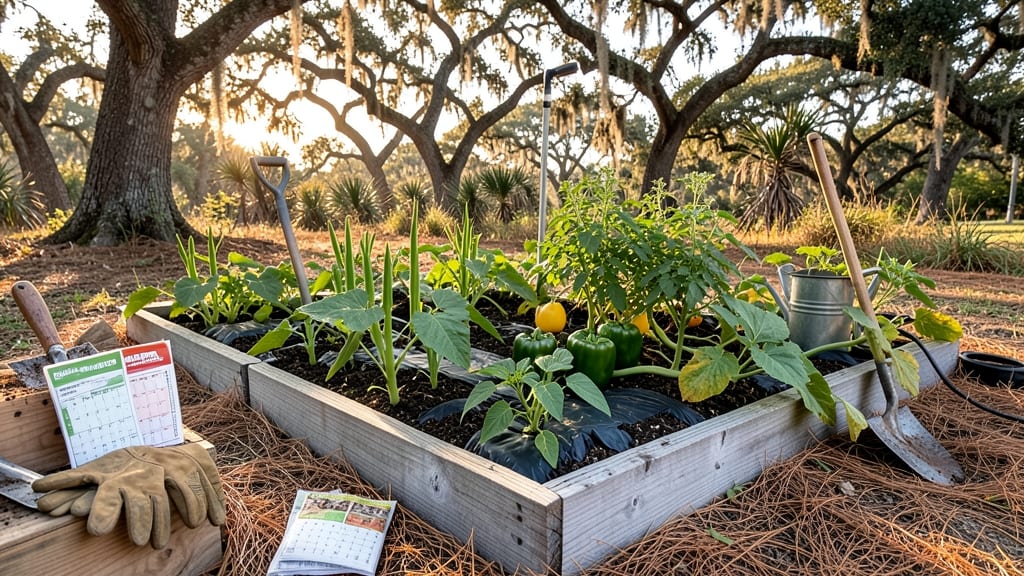
When to plant a garden in Florida is the difference between a lush harvest and a soggy disappointment—because humidity here doesn’t just make things sticky, it turns your seed packets into science experiments.
If you’ve ever watched seeds sprout in 3 days instead of 3 weeks, you know Florida’s climate plays by its own rules. The key? Planting when the heat and rain work with you, not against you.
I’ll break down the exact windows for fast germination, so your 🌱 General Florida Garden thrives year-round—no guesswork, just green thumbs.
North Florida’s cooler pockets and South Florida’s steamy summers mean your neighbor’s “perfect” planting time might be your garden’s worst nightmare. We’ll tackle those differences head-on, plus humidity hacks to keep your soil happy and your plants growing like they’re on a growth spurt.
Ready to ditch the trial-and-error? Let’s map out the two growing seasons that make Florida gardening possible—and how to squeeze every last harvest out of them.
Florida planting zones & best months for fast germination
Florida’s unique climate zones mean planting times vary dramatically from North to South. Unlike most states, Florida’s USDA Zones 8a–11 allow year-round gardening—but timing is everything. Plant too early, and heat stress or fungal diseases will sabotage your garden. Too late, and you’ll miss the optimal germination window.
North Florida (Zones 8a–8b) has cooler winters with occasional frost, while Central (Zone 9a) and South Florida (Zones 10a–11) enjoy tropical warmth. Even within these zones, microclimates (like coastal vs. inland) shift planting by weeks.
For example, Jacksonville’s last frost is typically January 15, but Miami rarely sees frost at all.
To simplify, focus on Florida’s two main planting seasons: spring (Feb–May) for cool-season crops and fall (Aug–Nov) for warm-season staples. Summer planting is risky for most vegetables due to intense heat and humidity, but tropical crops like okra and sweet potatoes thrive year-round.
Here’s the golden rule: Plant cool-season crops (lettuce, broccoli, peas) 6–8 weeks before the first frost in North Florida—or year-round in South Florida. For warm-season crops (tomatoes, peppers, basil), wait until soil temps hit 60°F+, usually March–April in North Florida and year-round in South Florida.
Now, let’s break it down by zone with a quick-reference table for fast germination and disease avoidance.
| Zone | Best Planting Months | Cool-Season Crops | Warm-Season Crops | Key Tip |
|---|---|---|---|---|
| North Florida (8a–8b) | Feb–Mar (cool), Aug–Sep (warm) | Lettuce, Broccoli, Peas | Tomatoes, Peppers, Okra | Avoid summer planting; use shade cloth. |
| Central Florida (9a) | Jan–Apr (cool), Aug–Nov (warm) | Kale, Carrots, Spinach | Sweet Potatoes, Basil, Eggplant | Mulch heavily to retain moisture. |
| South Florida (10a–11) | Year-round (rotate crops) | Radishes, Green Onions, Herbs | Pineapples, Citrus, Okra | Watch for hurricane season (June–Nov). |
For fast germination, prioritize humidity-resistant seeds like okra, sweet corn, and basil, which sprout in 5–7 days in Florida’s heat. Slow germinators (e.g., peppers, eggplants) need soil temps above 70°F—wait until late spring for best results.
In North Florida, start cool-season crops indoors in January for an early spring harvest. Use grow lights or a sunny windowsill to kickstart seedlings before transplanting in February–March. South Florida gardeners can plant almost year-round, but avoid summer for heat-sensitive crops like cucumbers or squash.
Pro tip: Use Florida Master Gardener Program resources to find your exact last frost date. Their localized planting guides account for microclimates like coastal humidity vs. inland dryness. For example, Tallahassee’s frost risk is higher than Gainesville’s, even though they’re close in distance.
Remember, Florida’s sandy soil drains quickly, so amend with compost before planting. Add organic matter like leaf mold or well-rotted manure to improve water retention and microbe activity. This is especially critical in summer when evaporation rates skyrocket.
Finally, rotate crops annually to prevent soil-borne diseases like fusarium wilt or early blight. Florida’s warm winters mean pests and pathogens never truly hibernate, so crop rotation is non-negotiable for long-term success.
How humidity affects seed germination: pro tips for Florida gardeners
Florida’s high humidity (often 80-90%) can be a double-edged sword for gardeners. While it keeps your plants hydrated, too much moisture in the air and soil can smother seeds, trigger fungal diseases, or slow germination to a crawl.
The key is balancing moisture without drowning your seeds—think of it like giving them a sauna with AC: warm but not soggy.
Seeds need consistent moisture to germinate, but Florida’s sticky air traps heat and humidity, creating the perfect storm for seed rot or damping-off (a fungal disease that kills seedlings).
I’ve seen tomato seeds sprout in 5 days under ideal conditions, but in my humid South Florida garden, they took 12 days—and half never made it past the soil surface. The difference? Proper airflow and soil moisture management.
Here’s the science: Humidity slows oxygen exchange in the soil, which seeds need to break dormancy. Tropical plants (like okra or sweet potatoes) handle it better than temperate ones (like lettuce or spinach).
That’s why I pre-treat seeds for Florida’s climate—soaking them for 6-12 hours in lukewarm water (not hot!) jumpstarts germination before planting. For delicate seeds, I use paper towels in a sealed bag to mimic humidity without suffocating them.
⚠️ Humidity Pitfalls to Avoid
- Overwatering: Seeds need moisture, but soggy soil = rot. Stick your finger 1 inch deep—if it’s damp, wait.
- No airflow: Crowded trays or closed containers trap humidity. Use seedling trays with drainage or spray misters instead of soaking.
- Ignoring seed type: Tropical seeds (e.g., ginger, banana) love humidity, but cool-season crops (e.g., broccoli) will bolt or rot.
Pro Tip: Use shade cloth (30-50%) over newly planted seeds to block intense midday sun, which heats the soil and evaporates moisture too quickly.
For fast germination, I swear by shallow planting—most seeds only need 2x their width in soil (e.g., basil seeds go in ¼-inch deep). Deeper planting in humid climates can delay sprouting by weeks.
And here’s a hack: Mulch lightly with straw or coconut coir (not wood chips, which can compact) to lock in moisture without smothering seeds. I’ve seen pepper seeds sprout in 7 days with this method vs. 21 days without.
Don’t forget temperature control. Florida’s summer heat (above 90°F) can shock seeds, while winter humidity (below 60°F) slows growth. Use a seedling heat mat (set to 75-80°F) for spring/fall planting, and cool a greenhouse with shade cloth during peak summer.
I once lost a $50 batch of tomato seeds because I ignored the heat spike—now I monitor temps with a soil thermometer.
Finally, rotate crops to break disease cycles. If your humidity-loving fungi keep attacking seedlings, switch to resistant varieties like ‘Celebrity’ tomatoes or ‘Black Seeded Simpson’ lettuce.
And if all else fails, start seeds indoor under grow lights (6+ hours/day) until soil temps stabilize—this is how I double my germination rate in Florida’s sticky summers.