
Planting
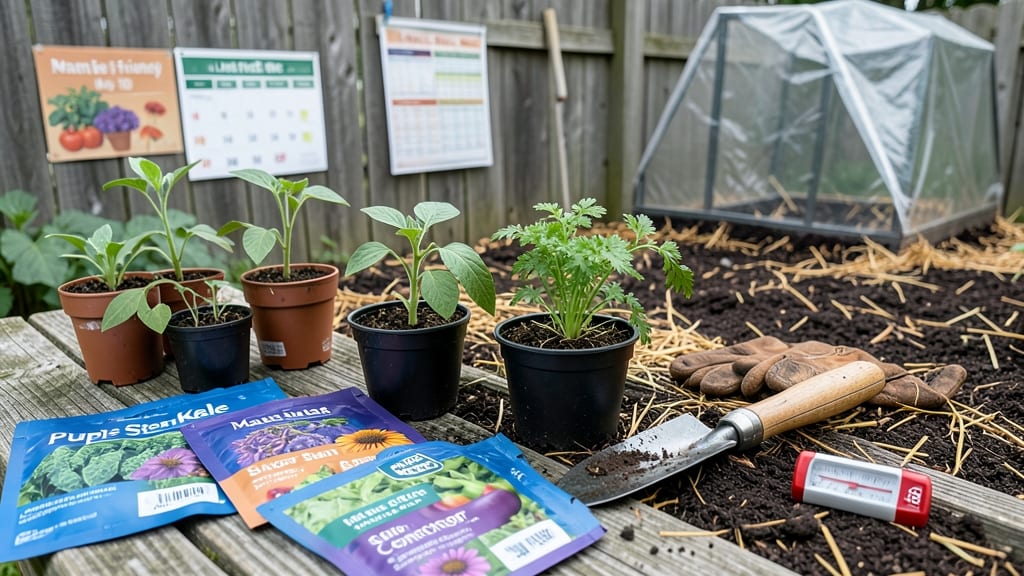
Maine’s frost-free dates: when to plant cool-season vs warm-season crops
Maine’s USDA Hardiness Zones 5-6 mean gardeners must work with a short growing season—typically just 100-120 frost-free days. Knowing your last spring frost (usually May 10-20) and first fall frost (around September 15-30) is critical for success.
Southern Maine (Zone 6) gets a slightly longer season than northern areas (Zone 5), so adjust timing accordingly.
Cool-season crops like spinach, kale, and peas thrive in Maine’s early spring soil (as soon as it’s workable, around late April to early May). These hardy plants can even handle light frosts, making them perfect for early planting.
Warm-season crops—think tomatoes, peppers, and basil—need to wait until after the last frost and when soil temps reach at least 60°F (usually late May to early June).
Here’s how to align your planting with Maine’s climate for maximum yields:
| Crop Type | Ideal Planting Window | Frost Tolerance | Maine-Specific Tip |
|---|---|---|---|
| Cool-Season (Spinach, Kale, Peas) | Early Spring (Late April–Early May) | High (Survives light frost) | Use row covers for extra protection. |
| Warm-Season (Tomatoes, Peppers, Basil) | Late Spring (After May 15) | Low (Dies in frost) | Start indoors in March for earlier harvests. |
| Root Crops (Carrots, Beets, Potatoes) | Early Spring or Late Summer | Moderate (Harvest before frost) | Plant late July for fall harvest. |
| Herbs (Parsley, Cilantro, Dill) | Early Spring or Late Summer | Moderate (Bolt in heat) | Sow every 3 weeks for continuous harvest. |
For warm-season crops, soil temperature matters more than air temperature. Use a soil thermometer to confirm 60°F+ before planting. In northern Maine (Zone 5), this can delay planting until early June. Meanwhile, southern Maine (Zone 6) gardeners can start 2 weeks earlier, around mid-May.
Don’t overlook fall planting! Many cool-season crops like broccoli, lettuce, and radishes thrive when sown in late July to August. These plants develop quickly and can be harvested before the first frost.
Even kale and Brussels sprouts taste sweeter after a light frost, making them perfect for late-season gardens.
Pro tip: Check the Maine Climate Office or local Cooperative Extension Service for real-time frost predictions. Their data is updated annually and accounts for microclimates (e.g., coastal areas vs inland). For example, Portland’s last frost is often 2 weeks earlier than Bangor’s, so adjust your schedule accordingly.
If you’re unsure about your last frost date, err on the side of caution. Use biodegradable row covers or a cold frame to protect tender plants until the threat of frost passes.
This extra layer of insulation can buy you 2-4 weeks of growing time, which is invaluable in Maine’s short season.
For perennials and shrubs, timing depends on the plant. Fruit trees and berry bushes should be planted in early spring (April) or fall (September-October) when the soil is cool but workable. Avoid planting during extreme heat or cold, as this stresses young roots.
Finally, keep a gardening journal to track your local frost dates over the years. Maine’s climate shifts yearly, and your notes will help refine your planting schedule for future seasons. With the right timing, you’ll turn Maine’s challenges into abundant harvests!
Best planting schedule for Maine’s short growing season: extend harvests with successive plantings
Maine’s short growing season (just 120-150 frost-free days) demands smart planning. By using successive plantings and season-extending tools, you can turn one planting into multiple harvests. For example, lettuce sown every 2 weeks in May and June will keep you in greens until frost.
This strategy works for radishes, spinach, and even bush beans.
Start by calculating your average last frost date—typically May 10-20 in southern Maine and June 1-10 in the north. Then, work backward using each crop’s days to maturity.
For instance, broccoli takes 70-90 days, so plant it by July 15 for a fall harvest. Use this timeline to maximize your garden’s potential.
Here’s how to make it work in practice:
Don’t overlook herbs like cilantro and parsley, which thrive in Maine’s cooler weather. Plant them in early spring and again in late summer for a double harvest. Even strawberries benefit from staggered plantings—set out June-bearing varieties in early spring and everbearing types in late summer.
Pro tip: Keep a gardening journal to track what works best in your microclimate. Note which successive plantings yielded the most and adjust next year. For example, if your carrots bolted in July, try planting them in shade cloth during peak heat.
With this approach, you’ll turn Maine’s short season into a long harvest, proving that timing is everything in New England gardening. 🌱