
Planting
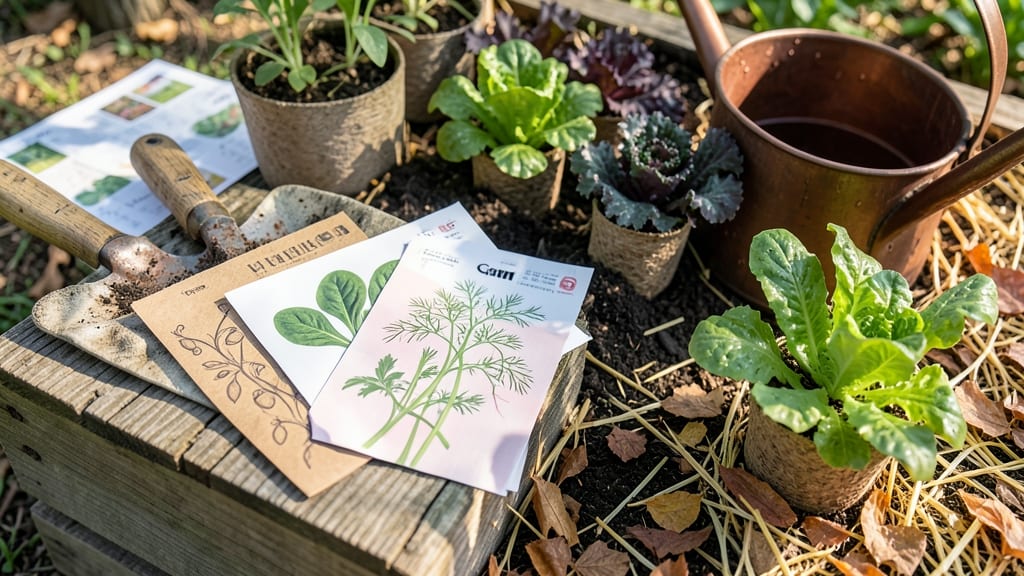
Knowing when to plant a garden in Nebraska could mean the difference between a bumper crop and a frost-killed disappointment. If you’ve ever stared at your seed packets wondering, "When to plant garden in Nebraska?"—you’re not alone. The 5a-6b zones here demand precision, and getting it wrong can shorten your growing season by weeks.
Here’s the good news: with the right deadlines, you can stretch your harvest from early June to late October. I’ll break down exactly when to plant cool-season crops like peas and spinach versus warm-season favorites like tomatoes and peppers—plus how to adjust for Nebraska’s unpredictable frost dates.
You’ll also discover how to use row covers and succession planting to squeeze extra weeks out of your garden. Whether you’re a first-time gardener or a seasoned pro, these tips will help you avoid common mistakes and maximize your 🌱 General Nebraska Garden.
Ready to turn your backyard into a thriving oasis? Let’s dive into the exact planting schedule that works for your zone—and your taste buds.
Nebraska’s frost-free planting zones: when to start seeds indoors vs. outdoor
Nebraska’s USDA Hardiness Zones 5a-6b mean your planting timeline depends heavily on where you live. Eastern Nebraska (Zone 5a-5b) typically experiences last frost dates between April 15-30, while western areas (Zone 6a-6b) average May 1-15.
These dates determine whether you’ll start seeds indoors or wait for soil to warm.
For cool-season crops like lettuce, spinach, and peas, I recommend starting seeds indoors 6-8 weeks before your last frost date. In eastern Nebraska, that means early to mid-March, while western gardeners should wait until late March to avoid transplant shock from late frosts.
| Zone | Last Frost | Start Indoors (Cool Crops) | Transplant Warm Crops |
|---|---|---|---|
| 5a (Eastern) | April 15-30 | Early March | May 1-15 |
| 5b (Central) | April 20-25 | Mid-March | April 25-May 10 |
| 6a (Western) | May 1-15 | Late March | May 10-25 |
Warm-season crops like tomatoes, peppers, and cucumbers need soil temperatures above 50°F (10°C) to thrive. I always use a soil thermometer to confirm—waiting until May 1-15 in eastern Nebraska and May 10-25 in western regions ensures optimal germination and growth.
Microclimates matter! Low-lying areas often frost later than hillsides, while urban heat islands can warm up faster. I’ve seen 5°F temperature differences between my backyard and a neighbor’s hilltop plot on the same night.
For direct-sown crops like beans, corn, and squash, wait until soil reaches 60°F (15°C)—typically late May across most of Nebraska. These heat-lovers won’t tolerate cold soil, so rushing them risks poor germination or stunted growth.
Pro tip: Use frost cloth or row covers to extend your planting window by 2-3 weeks for heat-sensitive crops. I’ve successfully transplanted tomatoes 2 weeks before the official last frost date using these protective covers.
Remember that fall planting is just as critical—cool-season crops planted in August-September can produce harvests before Nebraska’s first frost (typically mid-October). This gives you a second growing season without extra work!
Always check your local Almanac’s frost predictions—they’re updated annually and account for Nebraska’s unpredictable weather patterns. My 2023 garden thrived because I adjusted my planting schedule after reviewing the Old Farmer’s Almanac for my specific county.
Start with fast-growing crops like radishes or lettuce in early spring to test your soil and timing. These 30-40 day harvesters give you quick feedback on whether your planting window is working before committing to longer-season crops.
Best planting schedule for Nebraska crops: spring vs. fall timing by vegetable
Nebraska’s 160 frost-free days demand precision when planting. Cool-season crops like lettuce and peas thrive in early spring, while warm-season favorites such as tomatoes and peppers need warmer soil temperatures. Let’s break down the ideal planting windows for your garden’s success.
For spring planting, wait until soil temperatures reach at least 50°F (10°C) and the last frost date has passed—typically late April to mid-May. In fall, focus on hardy crops like kale and spinach, planting them 6-8 weeks before the first frost (usually mid-September).
🌱 Nebraska Planting Timeline by Crop
- Cool-Season Crops (Spring/Fall): Lettuce, Peas, Spinach, Kale, Onions – March-April or August-September.
- Warm-Season Crops (Spring): Tomatoes, Peppers, Cucumbers, Corn – May-June after soil warms.
- Fall Planting (Overwintering): Garlic, Potatoes, Carrots – Late August-October for harvest next year.
- Succession Planting: Radishes, Bush Beans – Every 2 weeks from May to July.
Start cool-season seeds indoors 4-6 weeks before the last frost to jumpstart growth. For warm-season crops, transplant seedlings after the soil reaches 60°F (15°C), usually mid-May. This timing ensures strong roots before Nebraska’s hot summers arrive.
Fall planting is a game-changer for overwintering crops. Plant garlic in October for a spring harvest, and spinach in September to enjoy fresh greens before winter. These crops tolerate cooler temperatures and even light frosts.
Don’t overlook succession planting—sow fast-growing crops like radishes and bush beans every 2 weeks from May to July. This keeps your harvests continuous and maximizes your garden’s productivity in Nebraska’s short growing season.
Pro tip: Use row covers or cold frames to extend planting windows by 2-3 weeks in spring and fall. This simple trick can add extra weeks to your harvest season.