
Plants
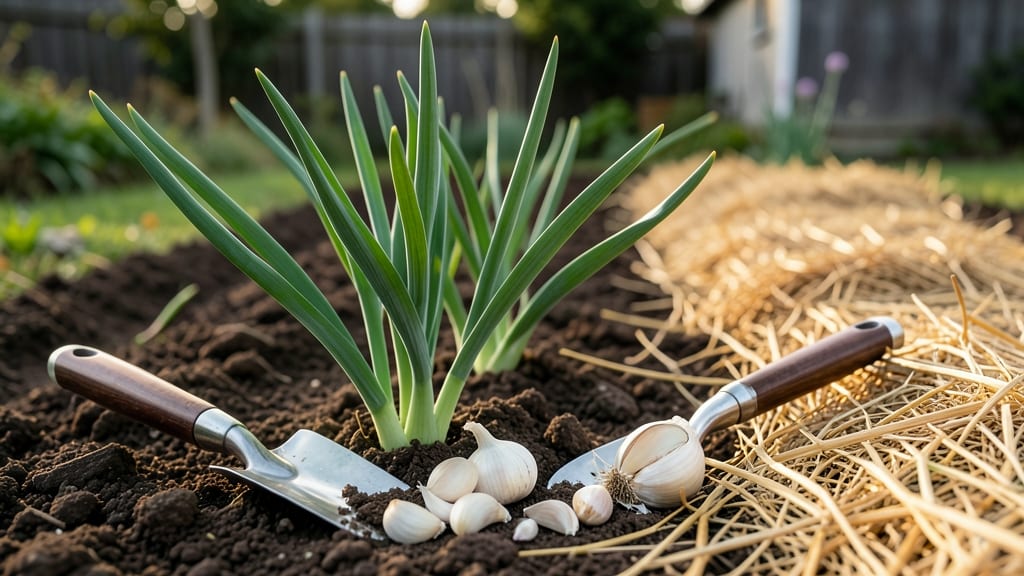
Timing when to plant garlic bulbs in Zone 5 just right could mean the difference between a bountiful harvest of hardneck garlic and a disappointing one. The key isn't just about throwing bulbs in the ground—it's about matching your planting window to the chill hours your garlic needs to thrive.
Most gardeners in Zone 5 know fall is the right time, but did you know planting too early or too late can trigger bolting—or worse, leave you with weak bulbs?
I’ve tested the perfect window and the science behind it, so you can avoid common mistakes and get the most flavorful harvest possible.
Whether you're a beginner or a seasoned gardener, this guide breaks down exactly when to plant your 🧄 garlic bulbs—and why October to November is your best bet. Let’s dive into the details so you can grow garlic like a pro.
You’ll learn how to adjust for late starts, what soil prep is essential, and how to protect your crop through winter. Ready to grow the best garlic in your garden? Let’s get started.
Zone 5 garlic planting timeline: chill-hours explained for hardneck varieties
Understanding chill-hours is the secret to growing hardneck garlic in Zone 5. These cold-temperature requirements determine whether your bulbs will mature properly or bolt prematurely. Most hardneck varieties need 30-60 days below 40°F (4°C) to form bulbs correctly—any less, and you risk small, weak harvests.
In Zone 5, where first frost typically arrives around October 15, your planting window hinges on matching these chill-hour needs. Plant too early (like September), and your garlic may get too much cold too soon, causing bolting.
Plant too late (December), and it won’t get enough winter chill to bulb properly. The sweet spot? October to early November—when soil temps drop below 50°F (10°C) but before hard freezes set in.
Here’s the catch: Softneck garlic, like California White, is more forgiving—it tolerates warmer winters and can even be planted in spring. But hardneck varieties (like Rocambole or German Red) demand those chill-hours, making fall planting non-negotiable for Zone 5 gardeners.
If you live in the northern half of Zone 5 (e.g., Minneapolis, Detroit), aim for late October. Southern Zone 5 (e.g., Nashville, St. Louis) can plant as early as mid-October.
🌱
| Factor | Hardneck Garlic (Zone 5) | Softneck Garlic (Zone 5) |
|---|---|---|
| Chill-Hours Needed | 30–60 days below 40°F (4°C) | 10–30 days below 40°F (4°C) |
| Best Planting Window | October–early November | October–December or spring (March) |
| Soil Temp at Planting | Below 50°F (10°C) | 40–60°F (4–15°C) |
| Risk of Bolting | High if planted too early | Low; more flexible |
| Harvest Time | Late July–August | Late July–September |
| Bulb Size Potential | Large, flavorful cloves | Medium, storable bulbs |
Let’s break down why October is ideal for most of Zone 5. By then, daytime temps are cooling, but the ground hasn’t frozen solid yet.
Planting in early October (e.g., in Chicago or Buffalo) gives your garlic enough time to establish roots before winter, while still meeting those chill-hour requirements.
If you’re in southern Zone 5 (e.g., Kansas City or Richmond), you might push planting to mid-October—just check that soil temps are below 50°F (10°C).
Pro tip: Use a soil thermometer to confirm temps. If the ground is still above 50°F (10°C) in October, wait a week or two. Conversely, if hard frosts are forecast within 2–3 weeks, plant sooner.
The goal is to give your garlic 4–6 weeks of root growth before the ground freezes.
One common mistake? Assuming “earlier is always better”. While it’s tempting to plant in September to beat the rush, your garlic may sprout too early and get frozen or bolted by winter.
Instead, focus on soil temperature—not just calendar dates. Aim for 40–60°F (4–15°C) at planting depth (about 2 inches deep).
🌡️
Hardneck garlic also benefits from a second planting window in late fall (December), but this is riskier in Zone 5. If you miss October, you can try planting in December—just use straw mulch (4–6 inches) to insulate cloves from freezing.
However, bulbs from December plantings often mature smaller because they miss some critical chill-hours. For best results, prioritize October–November.
Finally, remember that garlic is a biennial—it needs two growing seasons to produce bulbs. The first year focuses on root and leaf growth, while the second year (your harvest) depends entirely on those chill-hours and proper timing.
Skip the chill, and you’ll end up with skinny, pungent scapes but no bulbs.
✂️
Zone 5 garlic planting timeline: chill-hours explained for hardneck varieties
Garlic in Zone 5 thrives when planted during the 4-6 weeks before ground freeze. This window—typically mid-October to early November—ensures bulbs receive the 30-40 chill-hours hardneck varieties need to form properly.
Planting too early (like September) risks premature sprouting, while late planting (December+) often results in smaller, weaker bulbs.
Hardneck garlic, the preferred choice for Zone 5, requires cold stratification to trigger bulb development. Softneck varieties, while possible, struggle in colder climates and rarely produce the same bold flavor.
The key is matching your planting date to your last frost date—aim for 6-8 weeks before the ground freezes solid.
| Planting Window | Chill-Hours Needed | Hardneck vs. Softneck | Risk of Early Planting |
|---|---|---|---|
| Mid-October | 30-40 hours | Hardneck (best for Zone 5) | Premature sprouting |
| Early November | 30-40 hours | Hardneck (optimal) | None (ideal timing) |
| Late November | 20-30 hours | Hardneck (smaller bulbs) | Weak bulb formation |
| December+ | <10 hours | Softneck (if desperate) | Bolting risk |
*Chill-hours = number of hours below 40°F (4°C) garlic needs to form bulbs.
For Zone 5 gardeners, the first frost date (around October 15) is your anchor. Count backward 6 weeks to land on your planting window. For example, if your ground freezes by November 1, plant by September 15—but this risks early sprouting.
A safer bet is October 1-15, balancing chill-hours and soil conditions.
Soil temperature also plays a role. Garlic prefers 40-50°F (4-10°C) at planting. If your soil is still warm in October, wait until temperatures drop closer to 50°F (10°C) to prevent bolting (when garlic sends up a flower stalk instead of forming bulbs).
Use a soil thermometer to check—this small tool can save your harvest.
Regional variations matter too. In northern Zone 5 (e.g., Minnesota, Maine), plant by October 1 to avoid early freezes. In southern Zone 5 (e.g., Kansas, Virginia), you might extend planting until November 15.
Check your local USDA frost map for precise dates—this ensures your garlic gets the perfect chill-hours for bulb development.
Pro tip: If you miss the fall window, you can try a spring planting (March-April), but bulbs will be smaller and less flavorful. Spring garlic is best for green garlic (harvest young shoots) rather than full bulbs.
For the best results, stick to fall planting and focus on nailing those chill-hours.