
Plants
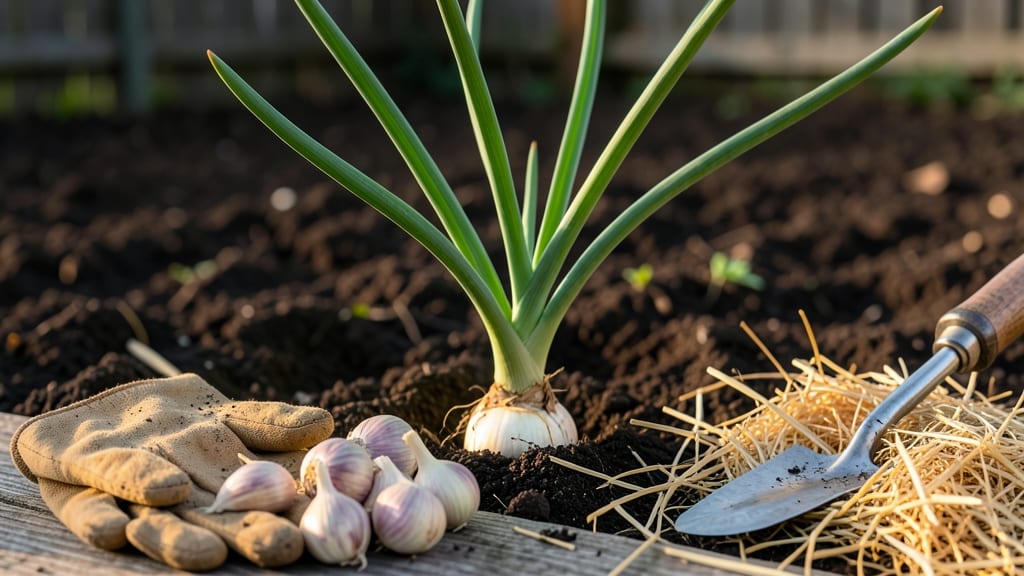
Timing is everything when it comes to growing 🧄 garlic in Delaware, and planting too early or late can mean the difference between a bountiful harvest and a disappointing one.
With Delaware's USDA Zone 7a-7b climate, the sweet spot for planting falls between October and November, when temperatures start to drop and the ground remains workable. This window ensures your garlic cloves establish roots before winter sets in, setting the stage for robust growth come spring.
But why does timing matter so much? Because garlic thrives in cold winters, and planting too late risks exposing cloves to frost before they root. I'll walk you through the exact frost-free timeline and planting schedule tailored to Delaware's unique conditions, so you can grow hardneck garlic like a local.
From soil prep to frost protection, you'll learn the key steps to maximize your yield. Let's get started on your path to a garlic harvest that'll make your neighbors jealous.
Delaware’s ideal garlic planting window: frost dates & hardneck varieties
Delaware’s USDA zones 7a-7b create perfect conditions for hardneck garlic, which thrives in cold winters. The key to success lies in planting 4-6 weeks before the first frost, typically between mid-October and November.
This timing allows cloves to establish roots before winter dormancy, ensuring robust bulb development by next summer.
Hardneck varieties like 'German White' or 'Silverskin' are ideal for Delaware’s climate. These varieties need cold stratification during winter to form bulbs, making them perfect for our 165 frost-free days. Planting too early risks rot, while waiting too late may stunt growth before harvest season.
Delaware’s coastal vs. inland microclimates also play a role. Coastal areas (like Rehoboth Beach) often see milder winters, while inland regions (like Wilmington) experience colder snaps. Adjust planting dates 1-2 weeks earlier in inland zones to account for earlier frosts.
Here’s the critical planting window broken down for Delaware gardeners:
| Stage | Action | Delaware-Specific Notes |
| Soil Prep | Test pH (6.0-7.0), amend with compost | Delaware’s clay soil? Add sand for drainage |
| Planting Window | Mid-October to November | Coastal areas: plant by October 20 |
| Clove Separation | Break bulbs into individual cloves | Use largest cloves for biggest bulbs |
| Planting Depth | 2 inches deep, 6 inches apart | Mulch with 4-6 inches straw after planting |
| Frost Protection | Cover with mulch or row fabric | Inland areas: add extra mulch in January |
Delaware’s first frost date typically falls around November 15, but this can vary by 3-5 days annually. Use local frost data from the Delaware Agricultural Weather Network to fine-tune your schedule.
For example, in New Castle County, aim to plant by November 1, while Sussex County gardeners have until November 10.
Hardneck garlic needs cold temperatures (32-40°F) to form bulbs, so planting too late (after December 1) may result in smaller harvests. However, if you miss the fall window, you can try a spring planting experiment—though yields will be 50% smaller.
Choose hardneck varieties over softneck for Delaware’s climate. Varieties like 'Music' or 'Chesnok Red' produce larger bulbs and hardneck stems (great for braiding!). Plant them in well-draining soil with 6+ hours of sunlight daily to maximize growth.
After planting, garlic enters dormancy but remains active underground. The cold winter months (December-February) are critical for bulb development. Avoid disturbing the soil during this time, as roots are sensitive to disruption.
By following Delaware’s frost-based planting window and selecting the right varieties, you’ll set your garlic up for a successful harvest in June-July. The key is patience—garlic takes nearly a year to mature, but the reward is worth the wait!
Delaware’s ideal garlic planting window: frost dates & hardneck varieties
Delaware’s USDA zones 6b-7a create perfect conditions for growing hardneck garlic, which thrives in cold winters. The key to success lies in planting 4-6 weeks before the first hard frost—typically between mid-October and mid-November. This timing ensures bulbs develop properly before winter dormancy.
Hardneck varieties like ‘Music’ or ‘German White’ are ideal for Delaware’s climate. These varieties need cold stratification to form bulbs, making them perfect for our winters. Softneck garlic, while popular elsewhere, struggles in Delaware’s colder zones and isn’t recommended for home gardeners.
Delaware’s average first frost falls around November 15, so aim to plant by early November. Coastal areas may experience slightly later frosts, while inland regions can see earlier cold snaps. Always check local frost dates to adjust your schedule accordingly.
| Factor | Delaware Specification | Key Notes |
|---|---|---|
| USDA Zone | 6b-7a | Hardneck garlic thrives here |
| First Frost | Mid-November | Plant 4-6 weeks before |
| Ideal Planting Window | Mid-October to Mid-November | Coastal areas may extend to late November |
| Best Varieties | Music, German White, Rocambole | Hardneck types for cold winters |
Delaware’s clay-heavy soils often need amendments before planting. Work in compost or aged manure to improve drainage and fertility. A soil pH of 6.0-7.0 is ideal for garlic growth. Test your soil in early fall to make adjustments before planting.
Once planted, garlic will remain dormant through winter and resume growth in spring. The cold stratification period is crucial—it triggers bulb formation. In Delaware, this natural process happens automatically when you plant at the right time.
For the best results, choose a sunny, well-drained location with at least 6 hours of sunlight daily. Avoid low-lying areas where cold air pools, as this can damage emerging shoots in early spring. Mulch with straw or leaves after planting to protect cloves from freeze-thaw cycles.