
Plants
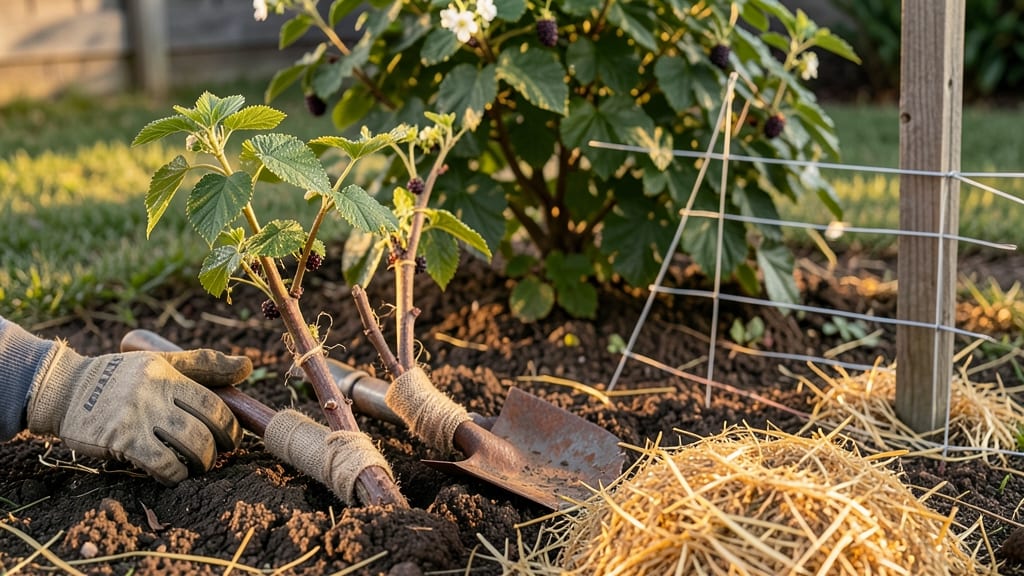
Timing your blackberry 🫐 planting in Indiana could mean the difference between a thriving bush and a frost-killed disappointment. With Zone 5B-6B frost dates swinging from mid-April to mid-October, getting the window right is everything for those juicy berries you’re dreaming of.
You’ve got two solid options: late winter through early spring (February to April) or early fall (September to October). But here’s the catch—planting too early risks cold soil, while waiting too late might leave your canes vulnerable before winter.
I’ll break down exactly when to dig in for maximum survival and sweet rewards.
Indiana’s clay-heavy soil and unpredictable frosts demand extra care, but with the right approach, your blackberry 🫐 bushes can grow strong enough to handle our harsh winters. Let’s get into the ideal planting timeline and how to prep your soil for success.
Whether you’re a seasoned gardener or a first-timer, these tips will help you avoid common mistakes and set your blackberries up for a bountiful harvest. Ready to plant with confidence?
Optimal blackberry planting window in Indiana’s zone 5B/6A: exact dates & soil prep
Indiana’s Zone 5B/6A climate demands precise timing for blackberry planting to avoid winter dieback and maximize fruit production. The ideal window spans early spring (April 15–May 15) and early fall (September 1–October 15), aligning with soil temperatures between 45–55°F.
Spring planting lets canes establish roots before summer heat, while fall planting avoids drought stress and gives roots a head start for winter.
For northern Indiana (Zone 5B), prioritize late April to early May when frost risk drops below 10%. Southern Indiana gardeners can start as early as mid-April but monitor forecasts for late frosts.
Fall planting in September is safer than late October, as canes need 6–8 weeks to root before hard freezes.
Indiana’s clay-heavy soils require amending with organic matter (compost or aged manure) to improve drainage. Aim for a pH of 5.5–6.5—test your soil 4–6 weeks before planting. Blackberries thrive in well-draining, slightly acidic soil, so avoid low-lying areas where water pools.
Here’s your Indiana blackberry planting timeline with soil prep steps to ensure success:
| Stage | Action | Indiana-Specific Notes |
|---|---|---|
| Soil Prep (4–6 weeks before planting) | Test pH, amend with compost, till 12" deep | Indiana clay? Mix in peanut hulls or sand to break compaction. |
| Spring Planting (April 15–May 15) | Plant bare-root canes 2" deep, 3–4 ft apart | Wait until soil temp >50°F; mulch with straw to retain moisture. |
| Fall Planting (September 1–October 15) | Plant 4–6 weeks before first frost, water deeply | Northern IN: Aim for September 15 to avoid early freezes. |
| Post-Planting Care | Water 1–2" weekly, install trellis | Use T-posts for support; prune suckers in first year. |
Microclimates matter in Indiana! Urban areas (like Indianapolis) often experience 2–3°F warmer soil temps than rural zones, so adjust planting dates 1–2 weeks earlier. If your yard sits in a frost pocket (common in valleys), opt for fall planting to reduce spring frost risks.
Blackberries need 6–8 hours of full sun daily, so choose a south-facing site with afternoon shade in southern Indiana’s hot summers. Avoid windy spots—windburn stresses young canes. A 6–8 ft tall trellis isn’t just for aesthetics; it improves airflow, reducing fungal diseases like anthracnose.
Pro tip: Plant everbearing varieties (like ‘Natchez’) in early spring for a summer and fall harvest. Summer-bearing types (e.g., ‘Triple Crown’) planted in fall yield better the following year. Always buy dormant canes from reputable nurseries to avoid viruses like orange leaf spot.
Mulch heavily with straw or wood chips after planting to suppress weeds and retain moisture. In Zone 5B, add 2–3 inches of mulch in late fall to insulate roots during winter. Remove mulch in early spring to let soil warm faster.
Timing is everything! Plant too early, and frost will kill tender canes. Plant too late, and roots won’t establish before winter. Follow this guide, and you’ll enjoy juicy blackberries in 2–3 years—no high-stakes gambling required. 🫐
Optimal blackberry planting window in Indiana’s zone 5B/6A: exact dates & soil prep
Indiana’s Zone 5B/6A climate demands precision when planting blackberries—getting the timing wrong can mean winter dieback or stunted growth. The best planting windows are early spring (after last frost) or early fall (before first frost), but soil temperature matters more than calendar dates.
Aim for 45-55°F soil, which typically aligns with mid-April to May for spring or September to early October for fall.
Northern Indiana’s cooler microclimates (like Gary or Fort Wayne) favor late spring planting, while southern Indiana (Evansville, Louisville) can handle early fall planting. Always check your last frost date—Indiana’s average is April 15, but late frosts can delay planting until May.
For fall, stop by October 1 to avoid winter stress.
| Planting Window | Soil Temp | Indiana Timing | Key Prep |
|---|---|---|---|
| Early Spring | 45-55°F | Mid-April–May | Amend clay soil with compost |
| Early Fall | 50-60°F | September–early Oct | Add mulch for winter protection |
Indiana’s clay-heavy soil drains poorly, so amend with 3-4 inches of compost or aged manure before planting. Blackberries thrive in slightly acidic soil (pH 5.5-6.5)—test your soil and adjust with sulfur if needed. For bare-root canes, soak roots in water for 2-3 hours before planting to reduce transplant shock.
Choose a sunny, sheltered spot with protection from winter winds—urban gardens in Indianapolis may need windbreaks, while rural areas can plant near fences. Install a trellis system immediately to support vigorous growth.
Water deeply after planting to settle soil around roots, then mulch with 3-4 inches of straw to retain moisture.
Fall-planted blackberries benefit from earlier fruiting the next season, but spring planting gives roots more time to establish before winter. If you miss the ideal window, container growing is a great backup—just ensure pots have drainage holes and use a well-draining potting mix.
Move containers to a garage or shed if frost threatens.
Monitor soil moisture closely after planting—overwatering can suffocate roots, while underwatering stresses young plants. In Indiana’s humid summers, water deeply 2-3 times per week rather than shallow daily. Avoid wetting foliage to prevent fungal diseases like anthracnose, which thrives in Indiana’s damp climate.