
Plants
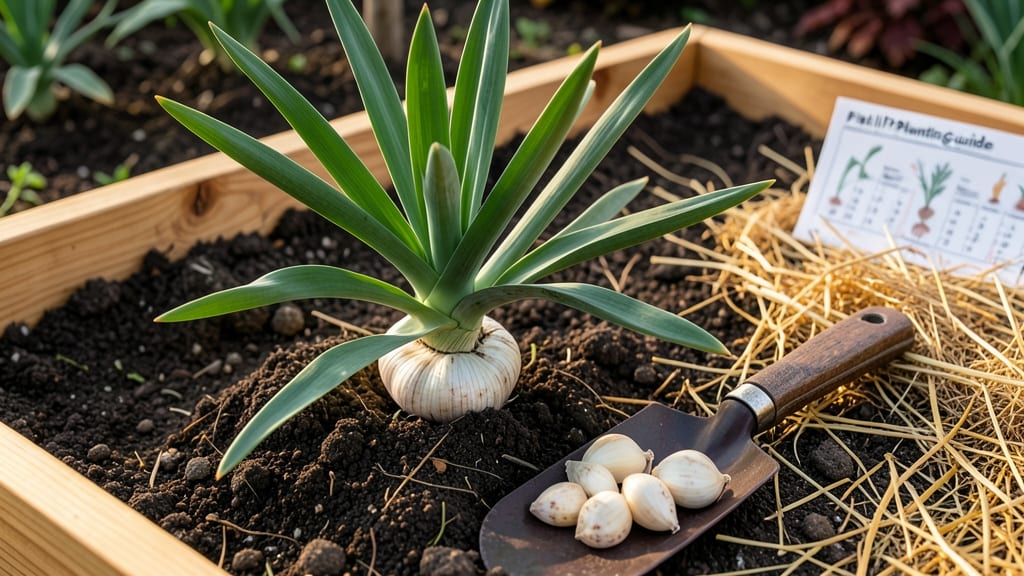
Planting garlic in San Diego might seem simple, but timing is everything—get it wrong, and you’ll end up with bitter, bolted cloves instead of the sweet harvest you crave.
Unlike colder climates, San Diego’s mild winters and coastal breezes create unique challenges for growing 🧄 garlic, especially in USDA Zone 10a.
Most gardeners assume fall planting is universal, but in San Diego, the best window stretches from October to December, with coastal areas benefiting from slightly earlier starts. The key? Understanding your microclimate—whether you’re near the ocean’s chill or inland’s warmth—will determine whether your garlic thrives or struggles.
I’ve grown garlic here for years, and what I’ve learned could save you from costly mistakes. From choosing the right variety (hardneck vs. softneck) to soil prep tricks that prevent bolting, this guide cuts through the guesswork.
Let’s dive into the exact steps to grow plump, flavorful bulbs that outshine store-bought every time.
Ready to skip the trial-and-error? You’ll walk away with a clear planting calendar, soil secrets, and pro tips to avoid overwatering or planting too late. Your perfect garlic harvest starts here.
San Diego garlic planting calendar by microclimate zone
San Diego’s Mediterranean climate creates three distinct garlic-growing zones: coastal, inland, and foothills. Each requires different planting timing to avoid bolting (premature flowering) and ensure sweet, plump bulbs. Let’s break down the best months for each zone, including soil temperature and moon phase tips for maximum success.
Coastal areas (like La Jolla or Del Mar) have cooler winters and higher humidity. Here, garlic thrives when planted between mid-October and early December. The soil should be 60-65°F at planting time, and you’ll want to aim for the waxing moon to boost bulb development.
Inland regions (such as Escondido or Ramona) experience warmer winters with less moisture. Plant garlic here between late November and mid-January. Wait until soil temperatures drop to 55-60°F—this prevents bolting from heat stress. A new moon planting window helps roots establish deeper in drier soil.
Foothill areas (like Julian or Pine Valley) have cooler nights and drier days. Your best window is early October to mid-November, with soil temps around 50-55°F. These areas benefit from mulching heavily to retain moisture during the day.
🌱 San Diego Garlic Planting Comparison by Zone
| Zone | Best Planting Months | Ideal Soil Temp (°F) | Moon Phase Tip | Key Challenge |
|---|---|---|---|---|
| Coastal | Mid-October to Early December | 60-65°F | Waxing moon | Fungal diseases from humidity |
| Inland | Late November to Mid-January | 55-60°F | New moon | Bolting from heat stress |
| Foothills | Early October to Mid-November | 50-55°F | Full moon | Daytime drying |
For all zones, avoid planting after January—warmer soil temperatures will trigger bolting. If you miss the window, consider growing garlic in containers with controlled soil temps or opt for green garlic (harvesting scapes before bulbs form).
Pro tip: Test your soil’s pH level (aim for 6.0-7.0). Coastal areas often need lime to counteract acidity, while inland soils may need compost to retain moisture. A simple soil test kit from a local nursery solves this in minutes.
Once planted, mulch heavily with straw or wood chips (3-4 inches). This insulates bulbs from temperature swings and keeps soil moisture consistent. In coastal areas, use disease-resistant varieties like ‘Artichoke’ or ‘Silverskin’ to combat fungal risks.
Harvest timing varies by zone: coastal garlic is ready by late June, while inland varieties may take until early August. Look for lower leaves turning brown while upper leaves stay green—a sure sign bulbs are mature.
Remember, San Diego’s microclimates mean your neighbor’s perfect harvest might not match yours. Adjust planting dates by 1-2 weeks based on your specific elevation and proximity to the coast for foolproof results.
How to avoid garlic bolting in San Diego’s warm winters
San Diego’s mild winters can trick garlic into thinking spring has arrived too soon, causing it to bolt (flower prematurely) instead of forming plump bulbs. When garlic bolts, you’ll end up with small, pungent cloves that lack the sweet flavor you crave.
The key to avoiding this is creating the right conditions to mimic a cooler climate, even in our frost-free zone.
First, focus on soil temperature. Garlic needs soil temps between 50-60°F to develop properly—any warmer, and it’ll bolt. In San Diego’s coastal areas, soil stays too warm in late fall, so plant earlier (September-October) to give bulbs time to establish before winter rains cool things down.
Inland areas can plant slightly later (October-November) since nights are cooler.
🌱 Mulching is non-negotiable in San Diego. Apply a 4-6 inch layer of straw or wood chips after planting to insulate bulbs from warm soil. This keeps temps stable and conserves moisture during our dry fall and winter months.
Avoid using fresh mulch that might contain weeds or decompose too quickly.
⚠️ Bolting Warning Signs
- Leaves elongating and becoming thin (like grass)
- Green shoots appearing from the center of the bulb
- Flowers (scape) growing from the stem
Action: If you spot these, harvest immediately—bolted garlic is still edible but loses quality.
Next, choose bolting-resistant varieties. Softneck varieties like Silverskin or Artichoke handle San Diego’s warmth better than hardnecks. For hardnecks, opt for late-maturing types like German White or Music, which take longer to bolt. Local nurseries like Cornucopia Nursery carry disease-resistant strains perfect for our climate.
Watering plays a surprising role too. Overwatering in warm spells stresses garlic and triggers bolting. Stick to deep, infrequent watering—about 1 inch per week—and always water in the morning to prevent fungal issues. Let the top inch of soil dry between waterings to mimic natural winter patterns.
Finally, consider shade cloth for early plantings. Lightweight 30% shade fabric can reduce soil temps by 5-10°F during peak afternoon sun. Secure it 3 feet above plants to avoid touching leaves, and remove it in winter when temps drop naturally.
This is especially helpful for coastal gardens where summer-like conditions linger into December.
With these strategies, you’ll trick your garlic into thinking it’s in a cooler climate, resulting in zero-bolt harvests and bulbs that rival store-bought in flavor. The secret? Cool soil + patience—San Diego’s version of winter gardening magic. 🧄