
Plants
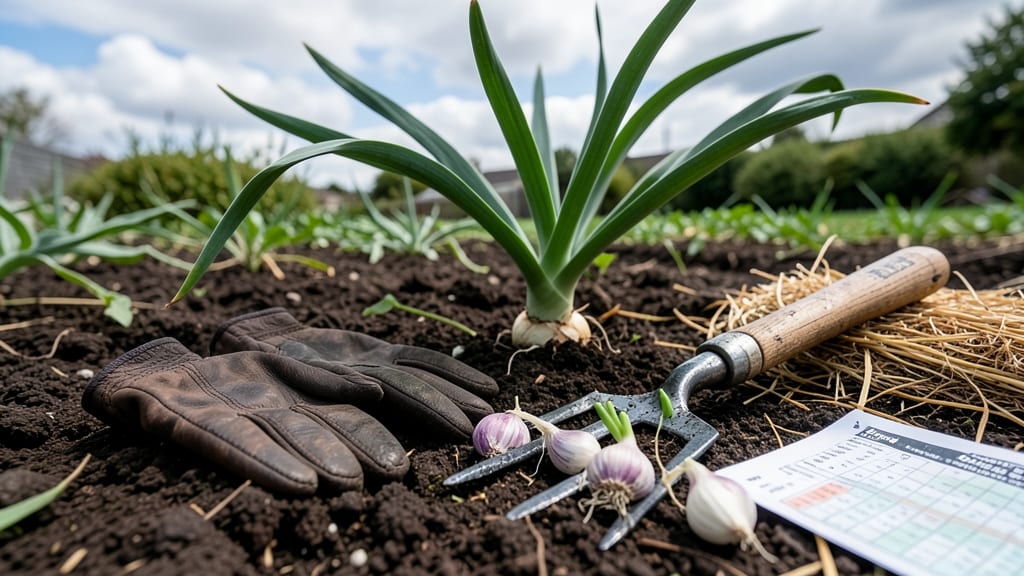
Knowing when to plant garlic in Zone 10a can mean the difference between robust, flavorful bulbs and disappointing harvests—especially when frost isn’t a factor. Unlike colder climates, your mild winters mean garlic grows year-round, but timing still matters for strong roots and bulb development before summer heat arrives.
Most gardeners in Zone 10a (think Southern California or Phoenix) plant garlic in fall, but the exact window—October through December—is critical. Too early, and your cloves might sprout before winter rains; too late, and summer’s intensity could stress your plants before harvest.
I’ll break down the best months, soil prep secrets, and how to pick varieties that thrive in your climate.
You’ll also discover why mulching is your best friend here, how to space cloves for maximum yield, and what to watch for when summer rolls around.
With these Zone 10a-specific tips, you’ll avoid common mistakes that lead to weak growth or wasted effort—and enjoy a bountiful harvest by next summer.
Ready to grow garlic that stands out in your kitchen? Let’s get those cloves in the ground at the perfect time for your unique climate. Your taste buds will thank you!
Optimal fall planting windows for garlic in Zone 10a
In Zone 10a, where winters are mild and frost-free, timing your garlic planting differs dramatically from colder climates. Unlike northern gardeners who plant in fall for winter dormancy, you’ll aim for early fall to winter planting to take advantage of cool temperatures without harsh freezes.
The key is planting before summer heat stress kicks in—typically between October and December—when soil temps stay below 70°F.
Garlic thrives on 60-70 days of cool weather (40-55°F) to form bulbs, but Zone 10a’s lack of winter dormancy means you must avoid planting too late. Late fall plantings (January+) risk bolting (premature flowering) as temperatures warm, ruining bulb development.
Think of it as a race against summer heat—plant early enough to establish roots, but not so early that cloves sprout too soon.
Here’s the Zone 10a planting timeline broken down by phase:
- October 1–15: Ideal for early varieties (e.g., Artichoke or Silverskin).
- November 1–30: Best for most varieties, aligning with cooler nights and higher rainfall.
- December 1–15: Last chance for late varieties, but risk increases if temps stay warm.
| Planting Window | Soil Temp | Variety Recommendation | Notes |
|---|---|---|---|
| October 1–15 | 65–75°F | Artichoke, Silverskin | Early start for mild winters |
| November 1–30 | 60–70°F | Hardneck (e.g., Rocambole), Softneck | Optimal for bulb formation |
| December 1–15 | 55–65°F | Late Softneck (e.g., California White) | Risk of bolting increases |
For Zone 10a gardeners, the lunar calendar can be a helpful guide—planting during the waxing moon (when roots grow strongest) aligns with garlic’s root-heavy growth phase. Aim for roots sign (♉︎) or fruit sign (♐︎) phases in November for best results.
Avoid planting during a full moon, as this can lead to excessive top growth at the expense of bulb development.
Another Zone 10a-specific tip: If your winters are exceptionally mild (e.g., Southern California), you can even experiment with spring planting (February–March) for a summer harvest.
However, this method requires shade cloth during peak heat to prevent bolting. Most gardeners stick to fall planting for reliability, but it’s worth testing if you’re adventurous!
Pro tip: Use a soil thermometer to confirm temps are below 70°F at 4-inch depth before planting. Garlic cloves won’t sprout until soil temps drop to 55–65°F, so don’t rush—wait for the right conditions. Patience here pays off with larger bulbs by harvest time.
Lastly, choose hardneck varieties like Rocambole or Creole for Zone 10a—they tolerate warmer winters better than softnecks. Softnecks (e.g., Silverskin) are still viable but may struggle with bolting if planted too late. Always source organic, untreated cloves from a reputable supplier to avoid disease.
By nailing your fall planting window and monitoring soil temps, you’ll set your garlic up for successful bulb development—even in a frost-free climate. Next, we’ll dive into soil prep to ensure your cloves have the perfect foundation for growth. 🌱
Optimal fall planting windows for garlic in Zone 10a
Unlike colder climates, Zone 10a garlic thrives when planted during mild fall temperatures—aim for October through December to align with natural rainfall and cooler nights. This window ensures cloves establish roots before summer heat arrives, preventing stress or bolting.
The ideal soil temperature for planting is between 60°F and 70°F. In Zone 10a, this typically occurs in late October to early November, but early varieties can tolerate slightly warmer soils if planted in September.
Lunar planting phases can also influence success—opt for the waxing moon (root growth phase) to encourage strong bulb development. For Zone 10a, this often aligns with October 15–November 15 each year.
| Planting Window | Soil Temp | Notes |
|---|---|---|
| Late September | 65°F–75°F | Early varieties only; risk of summer bolting |
| October 15–November 15 | 60°F–70°F | Optimal for most varieties; aligns with waxing moon |
| December (early) | 55°F–65°F | Late varieties; slower growth but avoids summer heat |
Avoid planting after mid-December in Zone 10a—soil may stay too warm, leading to premature sprouting or weak bulb formation. Instead, focus on well-draining soil and mulching to regulate temperatures.
For hardneck varieties, prioritize October planting—they need 60–90 days of cool temps (even in Zone 10a) to form bulbs. Softneck varieties are more flexible and can handle November planting if soil stays cool.
Pro tip: Test soil moisture before planting—Zone 10a’s winter rains can make soil soggy. Amend with compost or sand if drainage is poor to prevent rot.