
Plants
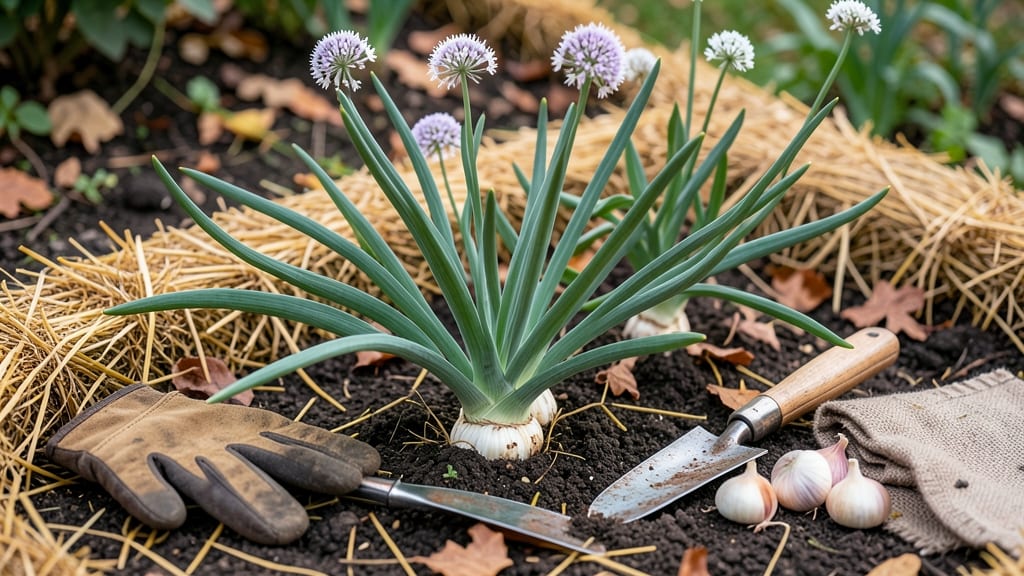
Timing your garlic planting in Denver isn't just about following a calendar—it's about outsmarting the 100-degree temperature swings between fall and spring that can make or break your harvest.
With the right window, you'll grow plump, flavorful bulbs that taste like homegrown magic, but plant too early or late, and you risk stunted growth or frost damage.
Most gardeners in USDA Zone 6b know fall is the key season for garlic, but Denver's specific climate demands precision.
The ideal planting window—mid to late October—gives your 🧄 cloves time to establish roots before winter sets in, while still allowing enough growing days before harvest in late June. Getting this right means the difference between a thriving crop and a sad, shrunken disappointment.
Here's the game-changer: Denver's high-altitude conditions mean you need to adjust for both soil temperature and frost dates.
We'll break down exactly when to plant hardneck varieties (the best choice for our climate), how to prepare your soil for success, and what to watch for when adjusting for Denver's microclimates—whether you're gardening on the plains or at higher elevations.
Let's dive into the exact steps and timing you need to grow garlic that'll make your neighbors jealous, plus how to troubleshoot common mistakes before they happen. Your future harvest starts with the right move now.
Best months to plant garlic in Denver’s unique climate zones
Denver’s USDA Zone 5-6 climate demands precise timing for garlic planting—too early, and your cloves won’t establish roots before winter; too late, and they’ll bolt before harvest.
The ideal window is mid-October to early November, when soil temperatures hover around 40-50°F and 6-8 weeks remain before the first frost (October 15 on average). This timing ensures garlic roots grow deep before dormancy, setting the stage for large, flavorful bulbs next summer.
For hardneck garlic (the variety preferred in Denver), aim for planting between October 15 and November 1.
These varieties need cold exposure to form bulbs, making them perfect for Colorado’s winters. Softneck garlic, less common but still grown locally, can tolerate slightly later planting—through November 15—though yields may shrink if planted after November 10.
Always use last year’s garlic for planting, as fresh cloves won’t store well enough to survive winter.
Denver’s high-altitude conditions (5,280 ft) and variable weather add complexity. Check your local frost dates—Denver’s first frost can arrive as early as October 1 in the mountains or as late as November 10 in urban areas.
Plant 4-6 weeks before your expected first frost to give roots time to establish. Use a soil thermometer to confirm temperatures are below 50°F at planting time, as warmer soils can trigger premature sprouting.
📋 Denver Garlic Planting Timeline
| Stage | Action | Denver-Specific Notes |
|---|---|---|
| Soil Prep | Test pH (6.0–7.0), amend with compost | Denver’s alkaline soil? Add sulfur to lower pH. |
| Planting Window | Mid-October to early November | Mountains: Plant by October 15; Plains: Up to November 1. |
| Depth | 2 inches, pointed end up | Use 4-inch spacing; closer spacing risks disease. |
| Winter Care | Mulch with 2–4 inches of straw | Remove mulch in early spring to prevent rot. |
| Harvest Ready | Late June to July | Hardneck varieties mature 2–3 weeks earlier than softneck. |
If you miss the primary planting window, don’t despair—Denver’s climate allows for a secondary window in early spring (March 1–15). Spring-planted garlic won’t produce bulbs as large, but it’s a viable backup for green garlic harvests by summer.
For this method, plant cloves 1 inch deep and expect tender shoots (not full bulbs) by June. This works well for high-altitude gardens where winters are harsher.
Pro tip: Label your rows with the planting date. Denver’s variable snowfall can delay or accelerate growth, so tracking helps you predict harvest times. For example, garlic planted on October 20 typically harvests 2 weeks earlier than garlic planted on November 1.
Use a garden journal to note these differences year over year.
One common mistake in Denver is planting garlic too shallowly due to rocky soil. Aim for 2 inches deep, even if your soil feels loose. Shallow planting exposes cloves to temperature fluctuations, which can cause them to sprout prematurely or rot.
If your soil is sandy or stony, mix in compost to improve moisture retention without burying cloves too deeply.
For container gardening in Denver, plant garlic in deep pots (12+ inches) and use a lightweight potting mix. Containers warm up faster than in-ground soil, so adjust your planting timeline 1–2 weeks earlier (late September to early October).
Place pots in full sun and water consistently, as containers dry out quicker than garden beds.
Finally, Denver’s dry winds can stress young garlic plants. After planting, apply a light mulch (straw or shredded leaves) to retain moisture and protect cloves.
In high-wind areas (like near the Front Range foothills), consider using windbreaks or planting near tall perennials to shield your garlic until it establishes a strong root system.
With these Denver-specific adjustments, you’ll maximize your garlic’s potential—whether you’re growing hardneck varieties for braiding or softneck for long-term storage. The key is timing, soil prep, and winter protection—all tailored to Colorado’s unique climate. 🌱
Best months to plant garlic in Denver’s unique climate zones
Denver’s USDA Zone 5-6 climate means garlic thrives when planted before the first hard frost—typically by mid-October. Unlike warmer climates, Denver’s cool nights and low humidity create ideal conditions for hardneck varieties, which need vernalization (cold exposure) to form bulbs.
Planting too early risks rot, while waiting too long may stunt growth before winter.
For Denver gardeners, the sweet spot is late September to early November. This window ensures cloves establish roots before the ground freezes but avoids the stress of late-season planting. Hardneck garlic, Denver’s top choice, benefits from 60–80 days of cold temperatures before spring growth resumes.
Denver’s elevation (5,280 ft) and short growing season demand precision. Use the 10°F soil thermometer rule: plant when soil temps consistently drop below 50°F at night but haven’t yet frozen. This usually lands in October, but watch local forecasts—Denver’s first frost can vary yearly.
| Variety | Optimal Planting Window | Denver-Specific Notes |
|---|---|---|
| Hardneck (e.g., 'German White') | Late September–October | Needs 60+ days below 40°F; plant by October 15 for best bulbs. |
| Softneck (e.g., 'Silverskin') | September–early November | More flexible; tolerates later planting but prefers soil temps above 40°F. |
| Elephant Garlic | October–November | Larger cloves; plant 2 inches deep in well-drained soil to avoid rot. |
🌱 Pro Tip: Use a soil thermometer to confirm 50°F nighttime temps before planting.
Denver’s microclimates further complicate timing. Urban areas like Downtown (warmer) may allow November planting, while mountain foothills (e.g., Golden) need earlier starts. Always adjust for your last frost date—Denver’s average is October 15, but check Colorado State University’s frost maps for precision.
If you miss the ideal window, don’t panic. November planting can still work for softneck garlic, though bulbs may be smaller. For hardneck varieties, cover beds with straw to insulate roots during winter. Mulch 3–4 inches thick to protect cloves from freeze-thaw cycles that damage emerging shoots.
Timing isn’t just about months—it’s about soil conditions. Test your soil’s drainage and pH (6.0–7.0 ideal) before planting. Amend with compost to improve fertility, as Denver’s clay-heavy soils can compact easily. Well-prepped soil ensures cloves sprout quickly, giving them a head start before winter dormancy.