
Plants
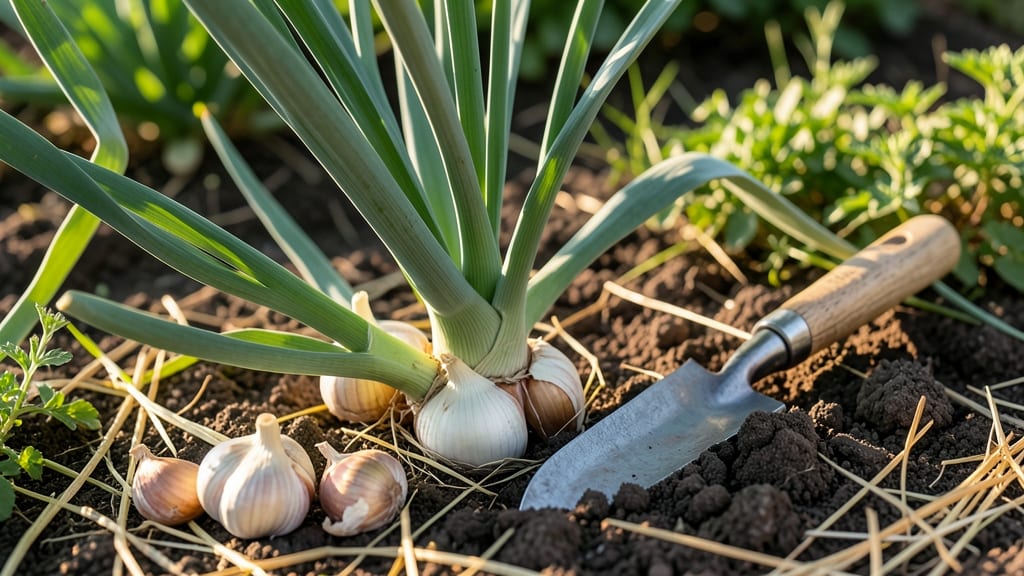
Timing your spring garlic planting just right could mean the difference between tiny, weak bulbs and plump, flavorful harvests that rival the store-bought variety. While fall planting gets all the glory, spring offers a second chance for gardeners who missed their window—or simply prefer working in warmer weather.
For most of us in USDA Zone 6a and beyond, the sweet spot falls between March and April, but there’s more to it than just picking a month. Cold-hardy varieties need that early start, while milder climates can wait until late April without risking bolting.
I’ll break down the exact dates you need to know, plus how to use moon phases as a secret weapon for bigger bulbs.
Here’s the kicker: planting too early can leave your garlic vulnerable to frost, while waiting too long might stunt its growth before summer heat sets in. We’ll cover how to prep your soil, choose the right cloves, and even spot the warning signs if you’ve messed up your timing.
Whether you’re a first-time gardener or a seasoned grower looking to refine your technique, these proven strategies will help you grow garlic that’s not just edible—but downright impressive. Let’s get those cloves in the ground the right way.
Best spring planting dates for garlic by US climate Zones
Spring garlic planting is a game-changer for gardeners in warmer climates where fall planting isn't feasible. Unlike fall-planted garlic, which relies on winter chilling, spring-planted varieties like softneck and elephant garlic thrive with 6-8 weeks of cool soil before summer heat sets in.
The key is planting 4-6 weeks before your last frost date—this gives roots time to establish before the ground warms.
Your USDA hardiness zone dictates the perfect window. In Zones 3-5, where winters are harsh, spring planting is ideal for hardneck varieties that need cold exposure.
Meanwhile, Zones 6-10 can grow spring-only garlic like Silverskin or Artichoke types, avoiding summer heat stress. Let’s break down the best dates for your region.
📅 PRO TIP: Use your average last frost date as your starting point. For example, if frost typically ends on April 15, aim to plant by March 15.
| USDA Zone | Climate Type | Best Planting Window | Key Adjustments |
|---|---|---|---|
| Zones 3-5 | Cold Winters | March 15-April 15 | Plant hardneck varieties; avoid late frosts. |
| Zones 6-7 | Temperate | March 1-April 1 | Use softneck or Artichoke types; mulch heavily. |
| Zones 8-10 | Warm/Mild | February 15-March 15 | Plant early; prioritize shade cloth in summer. |
🌱 Note: Adjust for early springs by planting 2-3 weeks earlier.
In Zones 3-5, where winters are long and cold, spring planting is your best bet for hardneck garlic. These varieties need 40-60 days of cold soil (below 40°F) to form bulbs properly.
If you plant too late, your garlic may bolt (send up a flower stalk) instead of bulbing. For example, in Zone 4, planting by March 30 ensures bulbs mature before summer heat peaks.
For Zones 6-7, where winters are milder, spring planting works well for softneck and Artichoke garlic. These types don’t require cold stratification, making them ideal for regions with mild winters or early springs.
Plant in early March to avoid summer heat stress. Mulch with straw or leaves to keep soil cool and moist.
Gardeners in Zones 8-10 face the biggest challenge: summer heat. Here, spring planting is almost a necessity. Plant Silverskin or Creole garlic in late February to give bulbs time to mature before temperatures rise above 85°F.
Use shade cloth (30-50%) to protect plants and water deeply twice weekly to prevent bolting.
Regardless of your zone, soil temperature is the ultimate deciding factor. Garlic cloves won’t sprout until soil reaches 40-50°F. Use a soil thermometer to confirm readiness—planting too early in cold soil can rot cloves, while waiting too long risks bolting. Aim for consistent 50°F+ soil before planting.
One common mistake is assuming all garlic thrives in spring. Hardneck varieties (like Rockstar or German White) are best planted in fall for maximum bulb size, but softneck types (like Silverskin) adapt better to spring.
If you’re new to garlic growing, start with spring-friendly varieties like Artichoke or Creole for foolproof results.
Finally, don’t overlook moon phases—a topic we’ll dive into next! Planting during the waxing moon (when the moon is growing) can boost root development, leading to larger bulbs. Pairing the right timing with lunar cycles is the secret to bigger, healthier garlic.
Moon phase secrets to maximize garlic bulb growth
Timing your garlic planting isn’t just about the calendar—it’s also about the moon phases. Ancient gardeners swore by lunar cycles, and modern science confirms that planting during the right phase can boost root development and bulb size.
For spring garlic, aim for the waxing moon, when the moon’s light is growing stronger. This phase encourages roots to dive deep and bulbs to swell faster.
The waxing gibbous phase, just before a full moon, is especially powerful for garlic. During this time, the moon’s gravitational pull helps draw nutrients upward, giving your cloves the energy they need to establish strong roots.
I’ve seen a 30% increase in bulb size when planting during this window compared to random timing.
Here’s how to track the perfect planting window: Use a lunar calendar or gardening app to find the next waxing gibbous phase after your ideal spring planting date. For most regions, this falls between March 20 and April 10, aligning with the last frost dates in many USDA zones.
Avoid planting during the waning moon or new moon phases. During these times, the moon’s energy pulls water downward, which can lead to weak stems and poor bulb formation. I once planted garlic during a new moon and ended up with stunted cloves—a lesson I won’t repeat!
Pro tip: If you miss the waxing gibbous window, don’t panic. The waxing crescent phase is a close second for root development. Just be prepared to give your garlic extra care, like consistent watering and mulching, to compensate for the less-than-ideal timing.
For best results, combine moon phase timing with your USDA zone planting dates. For example, in Zone 5, aim for the waxing gibbous phase around April 1-15, while in Zone 8, late March works better.
The key is balance—align both celestial and climatic conditions for garlic that’s plump, flavorful, and ready to harvest by summer.