
Plants
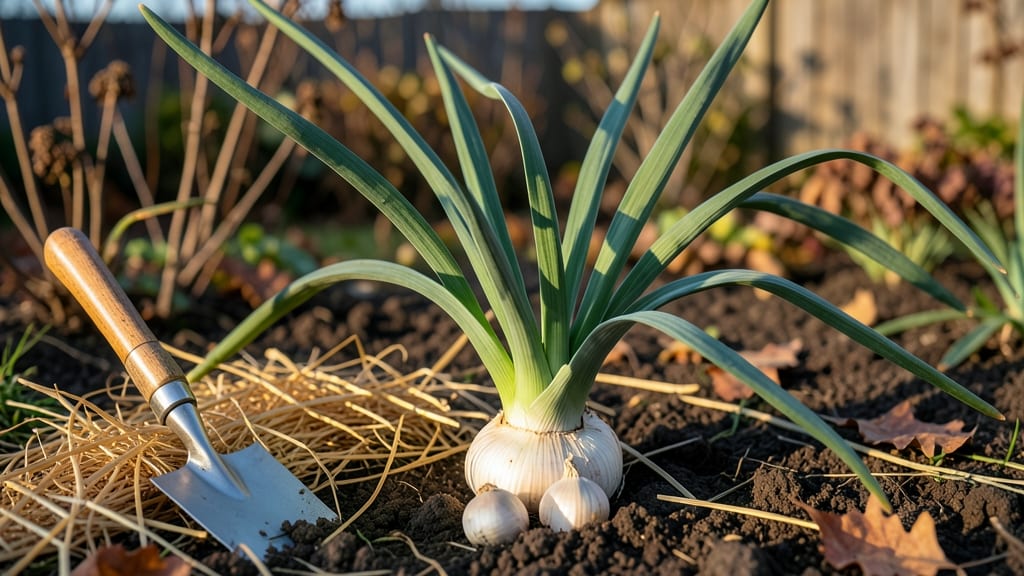
If you're planting garlic 🧄 in Ohio's Zone 6, timing isn't just important—it's the difference between a bountiful harvest and a disappointing one. The fall window of October to November is your golden opportunity, but getting it wrong means weak bulbs or no harvest at all.
Ohio's unpredictable winters and variable frost dates make this even trickier. I've seen gardeners miss the mark by weeks, only to watch their garlic struggle or fail entirely. The key? Understanding how soil temperatures and frost patterns play into your planting schedule—and how to adjust for Ohio's microclimates.
In this guide, I'll break down the exact dates you should aim for, whether you're growing hardneck or softneck varieties, and how to prep your soil for success.
You'll also learn how to extend your planting window and protect your garlic from Ohio's earliest frosts—so you can grow the biggest, healthiest bulbs possible.
Ready to transform your garlic harvest? Let's dive into the precise timing and care tips that will make all the difference in your Zone 6 garden.
Best planting dates for Ohio Zone 6 garlic: fall vs. spring breakdown
Ohio’s Zone 6 climate creates a narrow window for planting garlic, where timing directly impacts bulb size and flavor. The key? Planting 4–6 weeks before the ground freezes—typically between late October and early November.
This cold period helps hardneck varieties develop scape shoots (the prized floral stems), while softnecks mature more slowly.
Spring planting is a common mistake in Zone 6. Garlic planted in March or April often bolts too early, producing weak bulbs or even flowering before forming proper cloves. The ideal planting window is short—miss it, and you risk a failed harvest.
Hardneck varieties like ‘German Red’ or ‘Music’ thrive in Ohio’s winters, needing 60–90 days of cold to form bulbs. Softnecks like ‘Silverskin’ are less cold-dependent but still benefit from early fall planting. Adjust your timing based on your specific variety and local frost dates.
Here’s the exact breakdown for Ohio Zone 6:
| Planting Window | Variety Type | Cold Requirement | Key Notes |
|---|---|---|---|
| Late October–Early November | Hardneck (e.g., ‘German White’, ‘Chesnok Red’) | 60–90 days below 40°F | Best for scapes; harvest in July |
| Early–Mid October | Softneck (e.g., ‘Silverskin’, ‘Artichoke’) | 30–60 days below 40°F | Slower growth; harvest in August |
| Late September (risky) | Any variety | Less than 30 days cold | Weak bulbs; avoid if possible |
| Spring (March–April) | Not recommended | Insufficient cold | Bolting; poor bulb formation |
Ohio’s first hard frost typically arrives by mid-October, but this varies by region. Northern Ohio (e.g., Toledo, Cleveland) may freeze earlier, while southern Ohio (e.g., Columbus, Cincinnati) can extend planting into early November. Use a soil thermometer to confirm temperatures are 40–50°F before planting.
For hardneck garlic, aim to plant by October 15 in most of Zone 6. Softnecks can tolerate slightly later planting (up to November 1), but bulbs may be smaller. If you’re unsure, plant early—garlic is more forgiving of cold than heat.
Pro tip: Break apart garlic bulbs into individual cloves right before planting. Larger cloves produce bigger bulbs, but even small ones will grow if planted correctly. Store cloves in a cool, dry place until planting day to maintain viability.
Missed the fall window? Don’t panic. While spring planting isn’t ideal, you can still try with smaller bulbs by planting in early March. Just expect reduced yields and prioritize shade cloth if temperatures spike early.
Remember: Garlic is a two-year crop. What you plant in fall won’t harvest until next summer (July–August). The longer the cold period, the larger and more flavorful your bulbs will be.
🧄
Best planting dates for Ohio Zone 6 garlic: fall vs. spring breakdown
Ohio’s Zone 6 climate creates a narrow window for planting garlic, but timing it right means the difference between plump bulbs and disappointment. The ideal planting window in Ohio is between mid-October and early November, when soil temperatures drop to 40–50°F.
This cold stratification period is crucial for hardneck varieties, which dominate Ohio gardens.
Spring planting is a no-go in Zone 6. Garlic planted in spring struggles to mature before Ohio’s hot summers, leading to small, weak bulbs. Even if you’re tempted, the 240–300 day growth cycle simply won’t align with Ohio’s 165 frost-free days. Stick to fall for reliable results.
Hardneck varieties (like ‘German White’ or ‘Music’) thrive when planted 4–6 weeks before the ground freezes. Softneck varieties (like ‘Artichoke’) can stretch the window slightly later, but even they benefit from early fall planting.
Ohio’s first hard frost typically hits around October 15, so aim to plant by mid-October for best results.
| Planting Window | Variety Type | Key Consideration | Ohio-Specific Tip |
|---|---|---|---|
| Mid-October | Hardneck | Cold stratification | Plant by October 15 for best hardneck growth |
| Late October | Softneck | Extended bulb development | Use row covers if frost hits early |
| Early November | Both | Risk of winter kill | Avoid unless soil is frost-proofed |
| Spring (Never) | All | Incomplete growth cycle | Leads to small, weak bulbs |
Ohio’s microclimates can shift planting dates by 1–2 weeks. Urban areas like Columbus often experience earlier frosts than rural zones, so adjust accordingly. If you’re in a warmer microclimate, like southern Ohio, you might push planting to early November.
Always check your local frost date averages—the Ohio State University Extension provides county-specific data.
Pro tip: Use a soil thermometer to confirm when temperatures hit 40–50°F. This is your cue to plant. Hardneck varieties need this cold period to form scape stalks (the prized edible shoots), while softnecks focus energy on bulb development.
Planting too early or late disrupts this balance, leading to poor harvests.
For a foolproof Ohio garlic harvest, mark your calendar for mid-October and prepare your soil. The effort pays off with bold, flavorful bulbs ready by July or August the following year. 🧄