
Plants
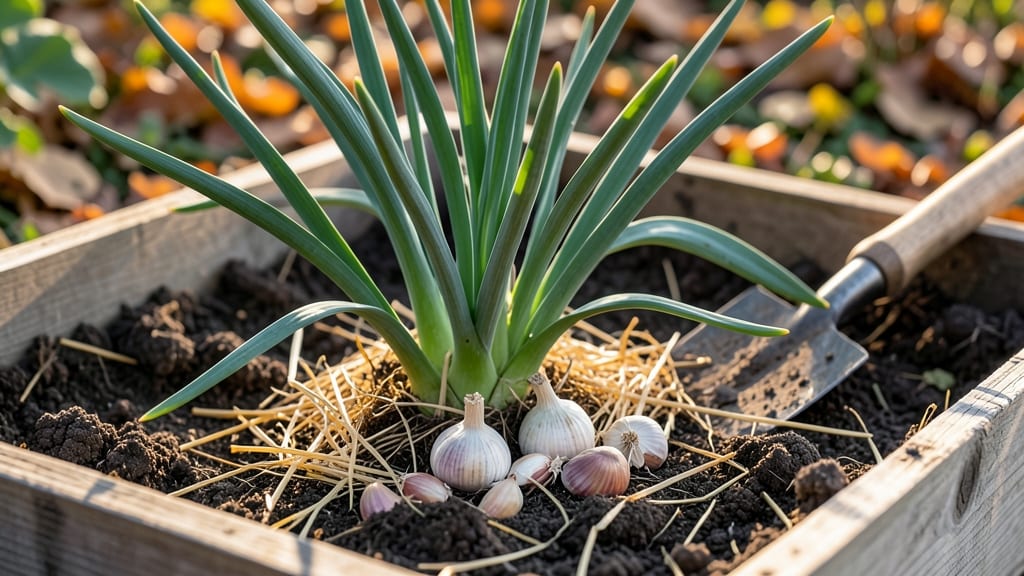
Timing your garlic planting just right in Upstate New York could mean the difference between plump, flavorful bulbs and disappointing harvests. With the region's 5b-6b climate and unpredictable winters, knowing when to plant 🧄 is the key to success.
Most gardeners in your area swear by fall planting—between late September and early October—when soil temperatures drop but before the ground freezes solid. This window gives your garlic roots time to establish before winter, setting the stage for next summer's harvest. But what if you miss it?
Don't worry—we'll cover how to adjust for Upstate NY's microclimates, whether you're near the Adirondacks or closer to Buffalo. You'll learn how to read your soil, time your planting with frost dates, and even use snow as natural insulation.
Let's dive into the perfect schedule for hardneck varieties that thrive in your zone.
The right timing isn't just about the calendar—it's about understanding your garden's unique conditions. By following these proven methods, you'll be well on your way to growing garlic that rivals anything you've ever bought at the store. Ready to get started?
Ideal planting windows for hardneck garlic in Upstate NY’s zones 4-6
Upstate NY’s USDA zones 4-6 demand precise timing for garlic planting—too early, and your cloves rot; too late, and they won’t establish roots before winter. The sweet spot is late September to early October, when soil temps hover around 40-50°F (4-10°C).
This window ensures roots grow before the ground freezes, while still allowing bulbs to mature over winter’s chill.
Hardneck varieties like Rocambole and Purple Stripe thrive in Upstate NY’s climate because they require cold vernalization (a period of cold) to form bulbs.
Planting too late—after mid-October—risks shallow root systems that freeze, while planting too early (before late August) can trigger premature sprouting and rot in damp soil.
Your last frost date (typically mid-November in Upstate NY) isn’t the only deadline. Soil must stay workable for 4-6 weeks after planting. Use a soil thermometer to confirm temps are above 40°F—if they drop below, roots won’t establish.
In zone 5b (e.g., Albany), aim for October 1-15; in zone 6b (e.g., Rochester), stretch to October 15-30.
🌱
Upstate NY’s first killing frost (usually mid-October) can mislead gardeners into thinking they have more time. But garlic roots need 4-6 weeks to establish before winter sets in. If you’re in a lake-effect zone (e.g., Buffalo), expect earlier frosts—adjust your window to late September to avoid rushed planting.
Pro tip: Use the "moon planting" method for hardneck garlic—plant during the waning moon (after a full moon) to encourage root growth. Check a lunar calendar for Upstate NY’s phases; the last quarter moon in October is ideal.
Pair this with well-draining soil (sandy loam works best) to prevent rot during winter thaws.
After planting, cover beds with 4-6 inches of straw mulch to insulate roots. In snowy winters (common in zones 5b-6a), snow acts as natural insulation—just ensure it doesn’t compact into ice. Remove mulch in early spring (March) to let soil warm and stimulate growth.
🌿
If you miss the fall window, spring planting is possible—but risky. Plant softneck varieties (like Silverskin) in early April for a summer harvest, but hardnecks won’t bulb properly.
For hardneck garlic, fall planting is non-negotiable for large, flavorful bulbs. Save any missed cloves for next year’s seed garlic stock.
📅
How to adjust your planting schedule for Upstate NY’s microclimates
Upstate NY’s microclimates can shift your garlic planting window by weeks—especially near Lake Erie or in the Adirondack Mountains. For example, Buffalo’s lake-effect often delays frosts, while higher elevations like Lake Placid may freeze earlier.
Adjust your schedule by 1-2 weeks based on your specific area’s last killing frost date.
Elevation plays a critical role: every 1,000 feet higher means 3-5°F colder temps. If you’re above 2,000 feet, plant garlic 3-4 weeks earlier (mid-September) to account for shorter growing seasons. Use local weather stations (like Cornell’s) to track frost patterns in your exact neighborhood.
Snow cover acts as natural insulation—areas with heavy snow (like the Catskills) can plant garlic slightly later, while windy, exposed sites (like the Finger Lakes) may need earlier planting to protect young roots. Aim for 4-6 weeks before ground freeze, even if snow arrives early.
Verify soil readiness with this 4-step