
Plants
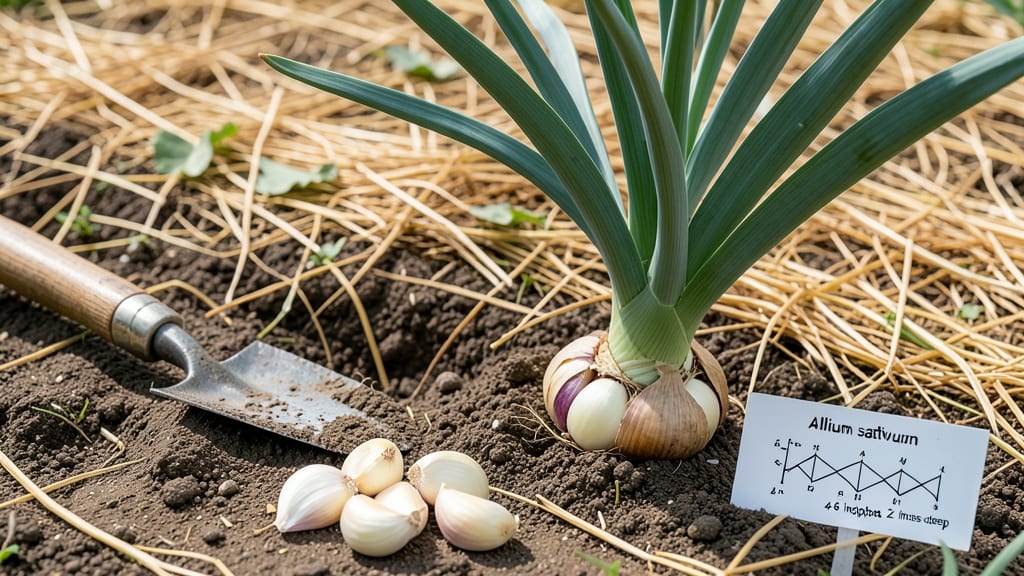
Optimal planting weeks before frost in zone 4B for hardneck vs softneck garlic
In Zone 4B, timing your garlic planting is critical—plant too early, and cloves may rot; too late, and bulbs won’t mature fully.
The ideal window is 8–12 weeks before the first hard frost, typically late October to early November in most of Zone 4B. This timing ensures garlic establishes roots before winter dormancy while avoiding spring planting pitfalls.
Zone 4B’s average first frost date falls around mid-November, but microclimates near lakes or mountains can shift this by 2–3 weeks. Use your local USDA frost calendar to pinpoint your exact window.
For example, in Buffalo, NY, aim for October 15–30, while Bellingham, WA may extend planting until November 10.
Garlic varieties also play a role: Hardneck garlic (like 'Music' or 'German White') thrives in Zone 4B’s cold winters and should be planted 4–6 weeks before frost. Softneck garlic (e.g., 'Artichoke') prefers milder winters and benefits from a 6–8 week window before frost.
Hardnecks produce scape shoots in spring, while softnecks store longer but yield smaller bulbs in colder climates.
🌱 Garlic Planting Comparison: Hardneck vs. Softneck in Zone 4B
| Variety | Planting Window (Weeks Before Frost) | Soil Temp Threshold (°F) | Zone 4B Ideal Month | Key Feature |
|---|---|---|---|---|
| Hardneck (e.g., 'Music', 'German White') | 4–6 weeks | 40–50°F | Late October–Early November | Cold-hardy, produces scapes |
| Softneck (e.g., 'Artichoke', 'Silverskin') | 6–8 weeks | 45–55°F | Mid-October–Late October | Longer storage, smaller bulbs |
Note: Adjust for early frosts by planting 2–3 weeks earlier or use row covers for protection.
Soil temperature is just as critical as frost dates. Garlic cloves need soil temps between 40–50°F to sprout successfully. Use a soil thermometer to confirm readiness—planting in 60°F+ soil risks rot, while below 35°F stunts root growth.
In Zone 4B, October mornings often hit the sweet spot, but afternoon warmth can push temps higher.
Preparing your soil in late September gives it time to cool naturally. Work in 2–3 inches of compost and a balanced fertilizer (5-10-10) to provide nutrients without excessive nitrogen, which promotes leafy growth over bulbs. Test your soil’s pH (6.0–7.0)—garlic dislikes acidic conditions, so amend with lime if needed.
Spacing and depth matter too: plant cloves 2 inches deep, 4–6 inches apart in rows 12 inches apart. This prevents crowding and fungal diseases. Break apart garlic braids into individual cloves, ensuring the pointy end faces up—this is where the shoot emerges.
In Zone 4B’s cold winters, mulch with 4–6 inches of straw after planting to insulate cloves and retain moisture.
Spring planting is not recommended in Zone 4B unless you’re growing garlic for greens. Bulbs planted in spring rarely mature fully before the next winter. If you miss the fall window, consider container growing in a sunny spot—just ensure pots have drainage and use well-draining soil to prevent rot.
Pro tip: Mark your planting date and track cumulative freeze hours—garlic needs 300–400 hours below 40°F to form bulbs. Use a garden journal to note adjustments for future years, like shifting your window 1 week earlier if early frosts become more common.
Remember, Zone 4B’s short growing season demands precision. By planting at the right time with the right variety, you’ll harvest bold, flavorful bulbs ready for storage or cooking by mid-summer—worth the effort! 🌱
Signs your garlic is ready to plant in zone 4B (soil, moon phases, and more)
Planting garlic at the right moment in Zone 4B isn’t just about the calendar—it’s about reading your garden’s signals. The ideal time arrives when soil temperatures drop to 40-50°F and moisture levels are just right.
This usually falls between mid-October and early November, but your garden might have its own unique cues.
One of the first signs is soil readiness. Stick your finger about 6 inches deep—if the soil feels cool but workable (not frozen or muddy), it’s time.
A simple soil thermometer can confirm the 40-50°F range, which is perfect for garlic roots to establish before winter sets in.
Moon phases also play a subtle role in traditional gardening wisdom. Planting during the waning moon (when the moon is shrinking) is believed to encourage root growth. Check your lunar calendar—this often aligns with late October or early November in Zone 4B.
Another key indicator is the weather forecast. Aim to plant 4-6 weeks before your first hard frost (typically mid-November in Zone 4B). If a cold snap is predicted within 2 weeks, delay planting until conditions stabilize.