
Plants
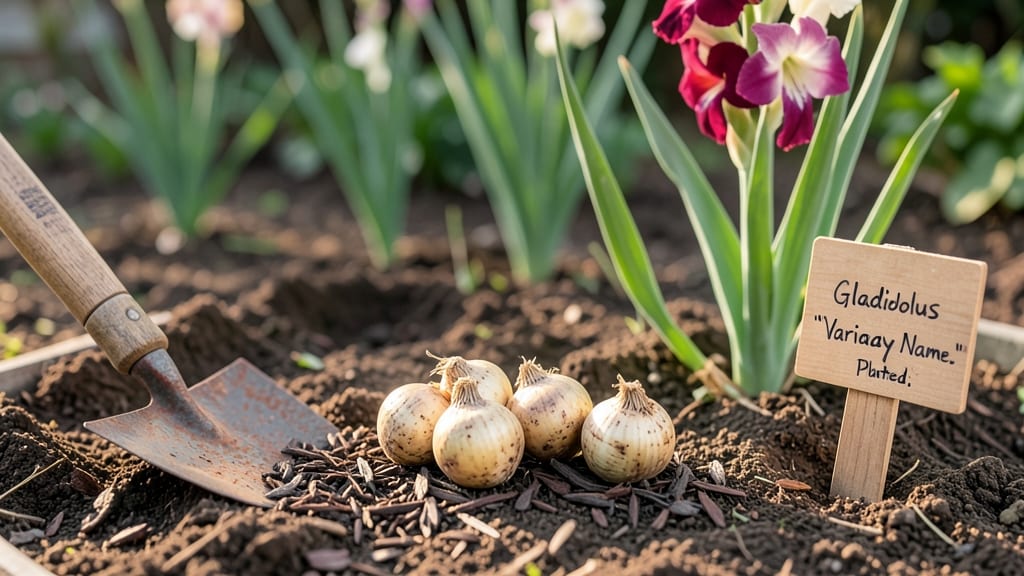
Timing your gladiolus bulb planting in Massachusetts could mean the difference between a showstopping summer garden and a disappointing flop. These tall, dramatic blooms (🌸) thrive when planted just right—too early, and frost zaps their potential; too late, and you miss peak flowering.
Since USDA Zone 6a’s last frost typically lands around mid-April, the clock starts ticking then.
Here’s the secret: plant gladiolus bulbs between mid-April and early June for guaranteed summer blooms. This window ensures your 4-5-foot spikes burst into color from July through September, just in time for your garden’s grand finale.
But don’t wait until the last minute—soil temperatures and daylight play a bigger role than you might think.
I’ll break down the exact planting deadlines for Massachusetts, including how to prep your soil and space bulbs for maximum impact. Whether you’re a first-time gardener or a seasoned pro, these tips will help you avoid common mistakes like overcrowding or planting too deep.
Let’s get those glorious blooms growing strong!
Ready to transform your garden? You’ll learn how to stagger plantings for continuous color, choose the best varieties for your climate, and even troubleshoot if Mother Nature throws a curveball. Your summer garden is about to get a whole lot more dramatic.
Optimal gladiolus planting timeline in Massachusetts (USDA Zone 5B)
Massachusetts’ USDA Zone 5B climate demands precise timing for gladiolus bulbs to thrive. Planting too early risks frost damage, while late planting may delay or reduce blooms. The ideal window spans from mid-April to early June, aligning with soil warming and last frost dates around April 15.
This schedule ensures robust growth and summer-to-fall blooms from July through September.
Gladiolus bulbs are spring-planted perennials that need warmth to sprout. In Massachusetts, soil temperatures must reach at least 60°F (15°C) for consistent germination. Early plantings in late March are risky unless you use row covers for frost protection.
Waiting until after the last frost guarantees stronger stems and more vibrant flowers.
Here’s your month-by-month planting guide tailored to Massachusetts’ climate, including frost risk analysis and bloom timing:
For maximum blooms, aim to plant most bulbs in late April to early May. This timing balances frost risk with soil warmth, ensuring 105-120 days to mature before Massachusetts’ first frost in mid-October.
Early plantings may produce taller but fewer blooms, while late plantings yield shorter spikes with smaller flowers.
Use a soil thermometer to confirm readiness—gladiolus bulbs need consistent warmth to sprout. In cooler inland areas (e.g., Worcester, Springfield), wait until May 1 to minimize frost damage. Coastal regions like Boston or Cape Cod can plant 1-2 weeks earlier due to milder microclimates.
Pro tip: Stagger plantings every 2 weeks from April to June for continuous blooms from July through September. This technique extends your garden’s seasonal interest and compensates for Massachusetts’ unpredictable weather patterns.
After planting, maintain 6+ hours of full sun and moderate moisture (1-2 inches per week). Mulch with 2-3 inches of straw to retain soil warmth and suppress weeds. Avoid overwatering—gladiolus bulbs rot in soggy soil, a common issue in Massachusetts’ humid summers.
Remember: No fall planting for gladiolus in Zone 5B. These tender bulbs won’t survive winter frosts. Instead, save bulbs for next year’s spring planting or treat them as annuals for seasonal color.
With this precise timeline, you’ll enjoy bold, dramatic gladiolus blooms that elevate any Massachusetts garden—whether in urban containers or rural borders. 🌸
Optimal gladiolus planting timeline in Massachusetts (USDA Zone 5B)
Massachusetts’ USDA Zone 5B climate demands precise timing for gladiolus bulbs—plant too early, and frost will kill tender shoots; too late, and you’ll miss summer blooms. The ideal window spans from mid-April to early June, aligning with soil temperatures above 50°F (10°C).
This schedule ensures robust growth before the first frost in October.
For peak blooms from July to September, aim to plant bulbs 4-6 weeks before your area’s last frost date. In Massachusetts, this typically lands between April 15 and May 15, depending on microclimates.
Coastal areas may push planting slightly later, while inland regions should start earlier to avoid late frosts.
Here’s your month-by-month breakdown for flawless gladiolus cultivation in Zone 5B:
| Stage | Action | Notes |
|---|---|---|
| Early April | Prepare soil | Amend with compost; ensure drainage |
| Mid-April | Plant early varieties | Cold-hardy types like 'Green Star' |
| May 1-15 | Main planting window | 60% of bulbs planted by May 10 |
| Late May | Final late bloomers | Varieties like 'Black Star' |
| June 1 | Last chance | Risk of stunted growth |
Plant bulbs 4-6 inches deep and 6 inches apart in well-draining soil with full sun exposure. Mulch after planting to retain moisture and protect against temperature swings. Avoid planting in low-lying areas where cold air pools, increasing frost risk.
Pro tip: Use black plastic mulch in early spring to warm soil faster and extend your planting window by 1-2 weeks. This technique is especially helpful for inland Massachusetts gardens where soils warm more slowly.
Monitor your garden’s microclimate—southern exposures warm faster than northern ones. Adjust planting dates accordingly, and always have row covers ready for late frosts. With this timeline, you’ll enjoy continuous blooms from July to frost—a true summer garden highlight! 🌸