
Plants
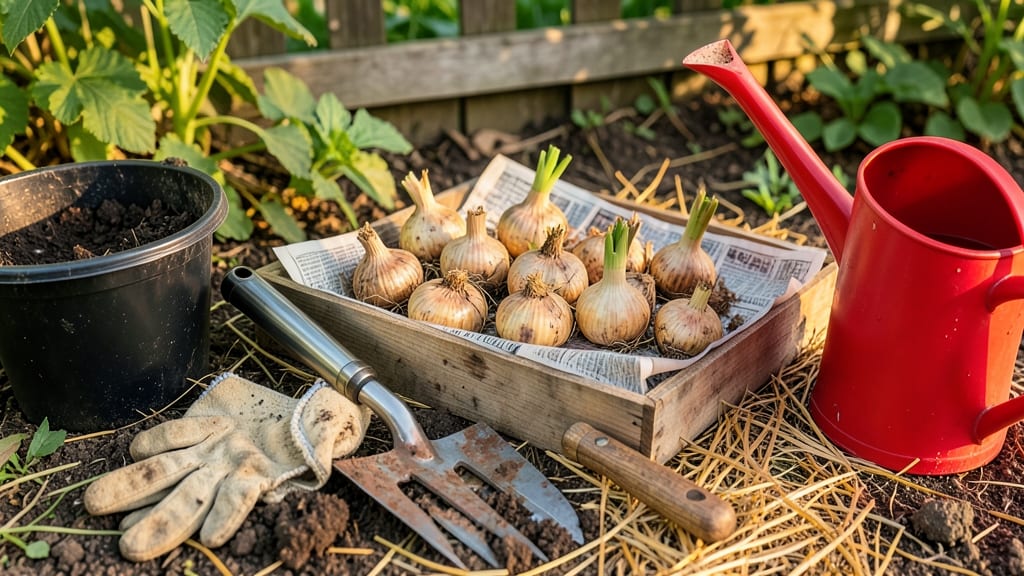
Timing your gladiolus bulb planting in the UK can mean the difference between stunning summer blooms and disappointment—because those 🌸 beauties need warmth to thrive. If you plant too early, frost will fry your bulbs before they even sprout, while waiting too long cuts your flowering season short.
I’ve learned the hard way that regional differences matter—London’s Zone 8a is far milder than Scotland’s Zone 7a, where last frosts linger until late May. The key is planting after your local frost date, typically between mid-April and mid-June, but with a few extra tricks for cooler areas.
In this guide, I’ll break down the exact planting windows for England, Scotland, and beyond, plus how to adjust for early or late blooms. You’ll also discover the soil prep and care tips that keep your gladiolus thriving from July’s first buds to September’s last showstopper.
Whether you’re a first-time gardener or a seasoned pro, these insights will help you grow gladiolus that’s taller, healthier, and more vibrant than ever before—no guesswork required.
UK gladiolus planting calendar: frost-free dates by region
Timing your gladiolus bulb planting in the UK depends on last frost dates, which vary dramatically from London to Scotland. Southern England typically sees its final frost by mid-April, while northern regions like Edinburgh may wait until late May.
Coastal areas warm up faster than inland spots, so always check local weather trends before digging in.
For southern England, aim to plant between mid-April and early June. This window ensures bulbs establish roots before summer heat arrives.
In Wales and the Midlands, delay until late April to early May to avoid unexpected late frosts. Northern Ireland and Scotland gardeners should wait until mid-May to June for optimal success.
🌱 Pro Tip: Use a frost forecast app or local gardening society data to pinpoint your exact frost-free date. Even a light frost can damage emerging shoots, so don’t rush the process.
| Region | Last Frost Date | Ideal Planting Window | Notes |
|---|---|---|---|
| Southern England (London, Kent) | Mid-April | Mid-April to early June | Coastal areas can plant slightly earlier |
| Midlands (Birmingham, Nottingham) | Late April | Late April to early May | Inland areas may need to delay |
| Wales (Cardiff, Swansea) | Early May | Early to mid-May | Higher elevations plant later |
| Scotland (Edinburgh, Glasgow) | Late May | Mid-May to early June | Northern Highlands plant in June |
| Northern Ireland (Belfast) | Early May | Early to mid-May | Cooler maritime climate |
If you’re unsure about your local frost dates, consider planting gladiolus bulbs in containers first. This gives you flexibility to move them indoors if unexpected frost threatens. Containers also help with soil drainage, which gladiolus desperately needs to avoid bulb rot.
For coastal gardeners, remember that sea breezes can delay frost slightly, but they also bring higher humidity. This means you’ll need to monitor for fungal diseases like botrytis, which thrives in damp conditions. Always plant in well-draining soil or raised beds to mitigate risks.
🌿 Regional Hack: In Scotland and Northern Ireland, plant early-flowering varieties like 'White Wings' or 'Black Star' for a longer bloom window. These varieties tolerate cooler temperatures better than tropical hybrids.
After planting, mulch heavily with straw or bark chips to protect bulbs from temperature fluctuations. This is especially critical in northern regions, where nights remain chilly even after the last frost. Mulch also helps retain moisture during the UK’s unpredictable spring showers.
Once your gladiolus shoots reach 4-6 inches tall, they’re typically safe from frost damage. At this stage, you can remove protective covers and focus on staking tall varieties to prevent them from flopping in windy UK conditions.
Stakes should be inserted gently to avoid damaging the delicate rhizomes.
🌸 Final Tip: Mark your planting dates on a garden calendar with colored flags for each region. This visual reminder ensures you don’t miss the optimal window or plant too late for summer blooms. Happy gardening!
How to adjust planting time for early or late blooms
Timing your gladiolus bulbs isn’t just about avoiding frost—it’s also about controlling when those show-stopping blooms appear. In the UK, cooler regions like Scotland or Northern Ireland may need adjustments to extend the flowering season, while sunnier areas like southern England can push for earlier blooms.
The key is understanding how to stagger planting and use protective measures.
For early blooms, start planting bulbs in late March (if soil is workable) using a cold frame or cloche to protect them from late frosts. This can push flowering forward by 2-3 weeks compared to standard mid-April planting.
In cooler climates, like Scotland, use black polythene mulch to warm the soil and create a microclimate.
If you want late-season color, try staggered planting every 2-3 weeks from May to June. This ensures a continuous display of blooms from July through September.
For extended late blooms, plant bulbs in early June and cover them with hessian sacks or fleece to protect against early autumn frosts.
🌱 Key Strategies for Adjusting Blooming Time
- 1. Use cold frames for 2-3 week earlier blooms in cooler regions.
- 2. Stagger planting every 2-3 weeks for continuous flowers.
- 3. Apply black polythene to warm soil faster in spring.
- 4. Cover bulbs with fleece to protect late blooms from frost.
- 5. Choose early/late varieties like 'Early Sensation' or 'Late Friendship'.
In frost-prone areas, like the Scottish Highlands, consider pre-chilling bulbs for 6-8 weeks before planting. Store them in a cool, dark place (4-7°C) to mimic winter conditions, then plant in late April. This trick can advance flowering by up to 4 weeks compared to unchilled bulbs.
For container growing, plant bulbs in early May and place pots in a sunny, sheltered spot. Move containers indoors or under cover if frost is forecast. This method works well for balconies or patios where soil conditions may vary.
Finally, soil temperature is your best guide. Use a soil thermometer to ensure it’s consistently above 10°C (50°F) before planting. Warmer soil speeds up growth, while cooler soil delays it—perfect for fine-tuning your blooming schedule.
Pro Tip: Keep a gardening journal to track which methods work best in your microclimate. Over time, you’ll master the art of timing gladiolus blooms to perfection! 🌸