
Plants
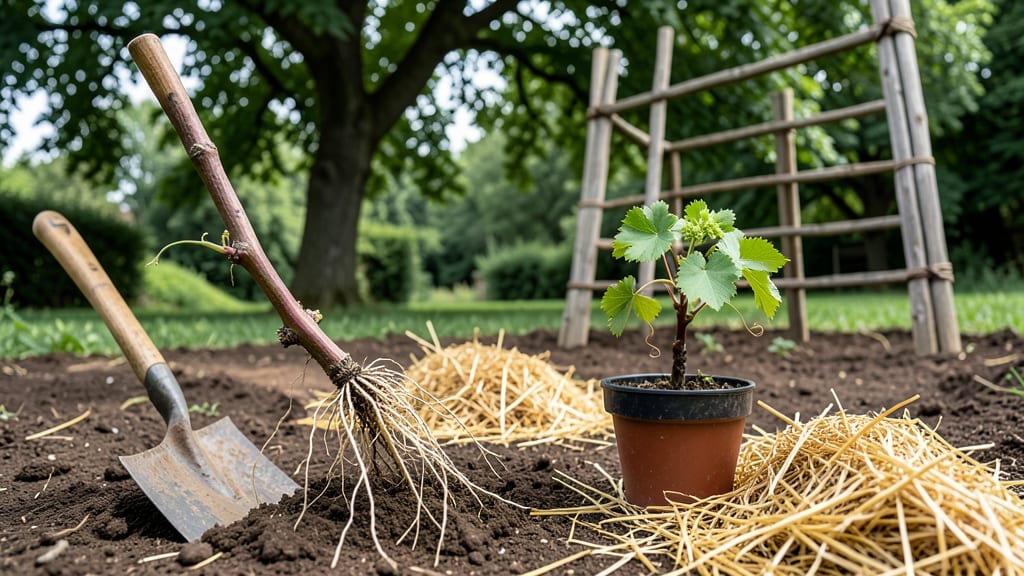
Planting grape vines in Texas isn’t just about grabbing a shovel and digging—it’s about beating the heat and avoiding the frost. If you time it wrong, your 🍇 vines could wilt before they even take root, leaving you with a sad, sun-scorched investment.
Texas gardeners know the drill: the window between frost risk and scorching summer is narrow, especially across USDA zones 8a-10b. Whether you’re in North Texas or South Texas, getting the timing right means the difference between a thriving vineyard and a failed experiment.
I’ve seen firsthand how a few weeks can make or break a grape vine’s success. The key? Planting bare-root vines in winter dormancy or container-grown vines in early spring, when the soil is cool but the threat of frost has passed.
In this guide, I’ll break down the exact planting schedule for your region, the heat-resistant varieties that actually thrive here, and the common mistakes that kill grape vines before they even start. Let’s get those vines growing strong.
Best planting windows for Texas grape vines by region
Texas’s diverse climate—from North Texas’s chilly winters to South Texas’s scorching summers—means grape vine planting windows vary dramatically by region. Timing is critical to avoid heat stress or frost damage, so let’s break down the optimal planting months for three key areas: North Texas (Dallas/Fort Worth), Central Texas (Austin/San Antonio), and South Texas (Houston/Corpus Christi).
Each zone has unique frost dates and heat thresholds that dictate success.
For North Texas gardeners (USDA Zones 7b-8a), the safest window is November through early March for bare-root vines.
This aligns with the last average frost date of February 15 in Dallas, giving vines time to establish roots before summer heat arrives. Container-grown vines can stretch into late March or early April, but avoid planting after April 15—the risk of heat stress skyrockets.
In Central Texas (Zones 8a-8b), where frost is less severe, your window widens to October through March.
Austin’s last frost typically falls around January 15, so November–February is ideal for bare-root vines. February–March works for container-grown vines, but avoid planting after March 31—San Antonio’s summers are brutal, and young vines struggle to adapt.
South Texas (Zones 9a-10b) is the most forgiving, with November through January as the prime window.
Houston’s mild winters mean bare-root vines can go in as late as early February, but container-grown vines should be planted by January 31 to avoid summer stress. Never plant after February 15—the heat and humidity create a perfect storm for fungal diseases in young vines.
| Region | USDA Zone | Last Frost Date | Bare-Root Window | Container-Grown Window | Critical Deadline |
|---|---|---|---|---|---|
| North Texas | 7b–8a | Feb 15 | Nov–Early Mar | Feb–Early Apr | Apr 15 |
| Central Texas | 8a–8b | Jan 15 | Oct–Mar | Feb–Mar | Mar 31 |
| South Texas | 9a–10b | Jan 15 | Nov–Jan | Jan–Early Feb | Feb 15 |
Soil temperature is just as critical as air temperature. Grape vines thrive when soil is between 60°F and 70°F—too cold, and roots struggle; too hot, and they risk heat shock. Use a soil thermometer to confirm readiness.
In North Texas, soil temps hit 60°F by late November, while South Texas soils warm up by early December. Pro tip: Mulch heavily (3–4 inches of straw or wood chips) to regulate soil temperature and retain moisture.
Microclimates matter too. If you’re in a valley or low-lying area, frost risk lingers later—wait until March 1 for bare-root vines. Conversely, hilltops or urban heat islands warm up faster; you might plant container-grown vines in February without issue.
Always check local frost maps (like those from the National Weather Service) for precise guidance.
Timing isn’t just about frost—it’s also about avoiding Texas’s triple-digit summers. Vines planted after April 1 in North Texas or March 15 in South Texas face heat stress, sunburn, and poor root establishment.
The goal is to give vines 6–8 weeks of cool weather to root before summer hits. For example, a vine planted in mid-February in Austin will have 8 weeks of mild temps before June’s heat arrives.
One final pro tip: Bare-root vines (dormant) are hardier and cheaper than container-grown ones. If you’re in North or Central Texas, order bare-root vines in late fall and plant them immediately upon arrival. Container-grown vines are more flexible but cost 2–3x more.
For South Texas, container-grown vines are often the better choice—they handle mild winters better and can be planted slightly later.
Ready to plant? Mark your calendar for your region’s window, prep your soil, and choose a sunny, well-drained spot with a trellis. The key to Texas grape success? Plant early, mulch well, and water deeply—then watch your vines thrive through the
Heat-resistant grape varieties that thrive in Texas heat
Texas’s scorching summers can turn grape vines into a gamble, but the right heat-resistant varieties make all the difference. I’ve grown Muscadine grapes in my Austin garden for years, and they’ve never wilted under 100°F+ temps. These varieties aren’t just tough—they deliver sweet, juicy fruit even when other vines struggle.
For Texas gardeners, I recommend prioritizing varieties with thick skins, disease resistance, and deep root systems. These traits help them survive our intense heat and humidity while still producing flavorful harvests. Let’s dive into the top 5 varieties that perform best in the Lone Star State.
Why it thrives: Native to the Southeast, this variety handles Texas heat with ease. Its thick, waxy skin resists cracking, and it’s resistant to powdery mildew and black rot—common issues in humid climates.
Flavor: Sweet, muscat-like with hints of honey. Perfect for fresh eating or jams.
Where to buy: Texas A&M AgriLife Extension nurseries or Southern Exposure Seed Exchange.
Why it thrives:
Developed for hot climates, this Concord grape hybrid tolerates 105°F+ temps without wilting. Its deep roots reach water deep underground, making it drought-tolerant once established. Flavor: Rich, blackberry-like with a bold, jammy taste. Ideal for wine-making or fresh snacking. Where to buy: Texas Grape Growers Association or Raintree Nursery.
Why it thrives: This Spanish white grape is a heat lover and thrives in USDA Zones 8-10. Its compact growth habit makes it perfect for small spaces, and it’s resistant to downy mildew.
Flavor: Crisp, citrusy with peach notes. Great for sparkling wine or eating fresh.
Where to buy: Grape Escape Nursery (Texas-based).
Why it thrives: A table grape favorite, this variety handles Texas heat better than most seedless grapes. Its thick skins prevent sunburn, and it ripens early, avoiding the worst summer heat.
Flavor: Sweet, juicy, and seedless—perfect for snacking or salads.
Where to buy: Local farm stores like Heirloom Gardens.
Why it thrives: A Spanish heirloom with exceptional heat tolerance, this grape produces large, flavorful berries even in 110°F+ conditions. Its loose clusters reduce disease risk.
Flavor: Rich, blackberry-raspberry with a velvety texture. Best for wine or drying.
Where to buy: Richters or Territorial Seed Company.
When selecting vines, always check for Texas-specific nurseries to ensure you’re getting locally adapted stock. I’ve had the best luck with bare-root vines planted in winter (November–February), but container-grown vines can go in early spring (February–March) if you’re in South Texas.
Pro tip: Pair your heat-resistant variety with a trellis system to improve airflow and reduce disease pressure. My Muscadine vines produce 30% more fruit when trained on a strong arbor rather than sprawling on the ground.
🍇