
Plants
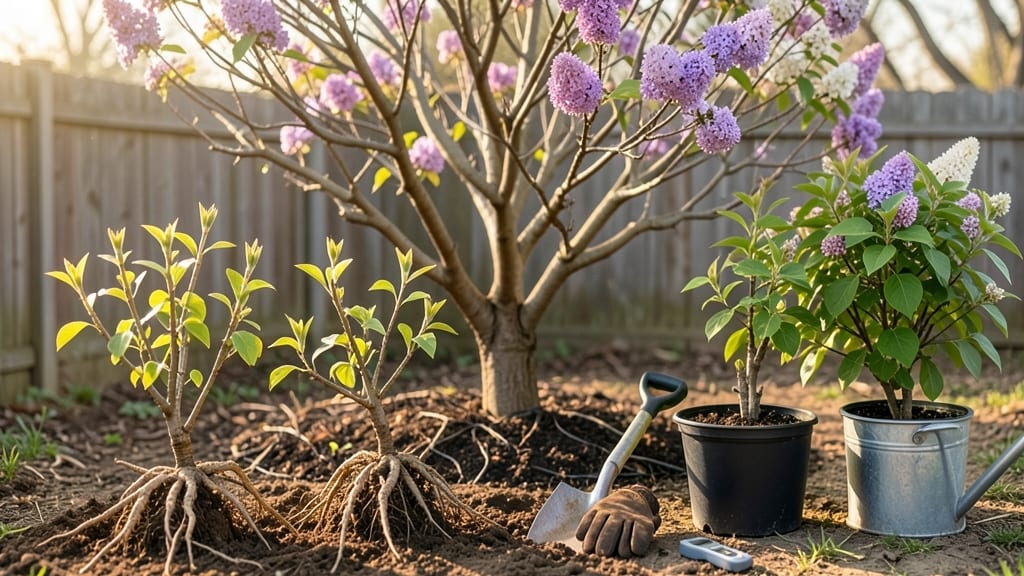
Planting lilac bushes in Missouri at the wrong time can mean the difference between a thriving 🌸 shrub and one struggling to survive. With frost dates that shift yearly and soil that varies dramatically across the state, knowing exactly when to plant is the key to success.
Most Missouri gardeners in zones 5b-6b assume early spring is the only option, but fall planting offers surprising advantages—like avoiding summer heat stress and giving roots time to establish before winter. I’ll break down the science behind both windows so you can choose what works best for your yard.
Whether you’re working with bare-root plants or container-grown lilacs, timing isn’t just about the calendar—it’s about soil temperature, moisture levels, and even your local microclimate. Let’s cut through the guesswork so your lilacs get off to the strongest start possible.
Ready to plant with confidence? I’ll walk you through the exact steps, from soil prep to post-planting care, so your Missouri lilacs bloom bigger and longer every spring.
Best planting months for lilac bushes in Missouri by hardiness zone
Missouri’s USDA hardiness zones 5b-6b create a unique challenge for lilac planting—balancing late spring frosts with summer heat. The optimal window depends on your exact zone, soil temperature, and whether you’re planting bare-root or containerized lilacs.
In most of Missouri, early spring (March-April) or early fall (September-October) are your best bets, but timing shifts slightly between northern and southern regions.
For northern Missouri (zones 5a-5b), like St. Louis County or Kansas City suburbs, aim for mid-April to early May after the last frost date (typically March 15). Southern Missouri (zones 6a-6b), including areas like Springfield or Poplar Bluff, can plant 2-3 weeks earlier due to milder winters.
Fall planting works too—just get lilacs in the ground 4-6 weeks before first frost (usually November 15 or earlier).
Soil temperature is your secret weapon—roots need 40°F+ soil to establish. Use a soil thermometer to check: if it’s consistently above 45°F for 3-5 days, it’s go time.
In Missouri’s clay-heavy soils, warming happens slower, so late April is often safer than early March. Pro tip: Mulch heavily after planting to insulate roots from temperature swings.
Bare-root lilacs are hardier and cheaper, but they demand faster planting—get them in the ground within 24-48 hours of purchase. Containerized lilacs offer flexibility but may need extra watering during establishment. Both types benefit from well-draining soil—amend Missouri’s clay soil with compost or sand if needed.
🌱 Missouri Lilac Planting Timeline by Zone
| Zone | Best Planting Window | Soil Temp Requirement | Key Consideration |
|---|---|---|---|
| 5a (north MO) | Late April–Early May | 45°F+ (consistent) | Wait for last frost (after March 15) |
| 5b (St. Louis area) | Mid-April–Early May | 40°F+ (minimum) | Microclimates vary—watch local forecasts |
| 6a (south-central MO) | Early April–Late April | 38°F+ (faster warming) | Plant bare-root ASAP to avoid drying |
| Fall (All Zones) | September–October (4-6 wks before frost) | 50°F+ soil | Water deeply before first frost |
💡 Pro Tip: Use a planting calendar like Missouri’s Missouri Botanical Garden’s frost tracker for real-time updates.
Missouri’s microclimates throw a wrench into timing—urban areas like Kansas City or St. Louis can be 5-10°F warmer than rural zones just 20 miles away. Check your specific last frost date using the National Weather Service or local extension office.
For example, Columbia (zone 6a) might see April 1 as safe, while Cape Girardeau (zone 7a) could plant by March 15.
If you miss the spring window, don’t panic—fall planting is just as effective. The key is root establishment before dormancy. Aim to plant 6-8 weeks before first frost, so roots can grow but the plant can harden off before winter.
In Missouri, this usually means late September to early October. Water deeply after planting and mulch 3-4 inches thick to protect roots from freeze-thaw cycles.
One common mistake Missouri gardeners make is planting too early in February or March, when soil is still cold and frost heaves can damage tender roots.
If you’re eager to start, potted lilacs can go in the ground in late February (with frost cloth protection), but bare-root plants need warmer soil. Always test soil moisture—if it’s dry and crumbly, it’s ready.
For container-grown lilacs, the window is slightly wider—you can plant 1-2 weeks earlier than bare-root because the root ball insulates the plant. However, avoid planting in extreme heat (above 85°F) or during drought conditions, as transplant shock becomes
Best planting months for lilac bushes in Missouri by hardiness zone
Missouri spans USDA hardiness zones 5b to 6b, meaning lilac planting windows vary slightly by region. In northern Missouri (zones 5a-5b), aim for early May to mid-May after the last frost date, which typically falls around March 15.
Southern Missouri (zones 6a-6b) can plant as early as late April—just confirm soil temperatures are above 40°F to prevent root shock.
Fall planting is also ideal in Missouri, with October to early November being the sweet spot. This gives roots time to establish before winter dormancy.
For container-grown lilacs, you can plant up to two weeks before the first frost (usually mid-November), but bare-root varieties need 6-8 weeks before freezing temperatures.
Missouri’s microclimates matter—St. Louis (zone 6a) may experience late spring frosts in April, while Kansas City (zone 5b) often sees warmer soil earlier. Check your local Cooperative Extension Service for precise frost dates, or use a soil thermometer to confirm 50°F+ soil temps before planting.
| Zone | Best Spring Window | Fall Window | Soil Temp Threshold | Frost Risk |
|---|---|---|---|---|
| 5a-5b (North MO) | Early May - Mid-May | Late Sept - Early Oct | 50°F+ | High (late frosts) |
| 6a (Central MO) | Late April - Early May | Mid-Oct - Late Oct | 45°F+ | Moderate |
| 6b (South MO) | Early April - Late April | Oct - Early Nov | 40°F+ | Low |
For bare-root lilacs, prioritize planting when dormant buds swell—this signals the plant is ready to break dormancy. Containerized lilacs, however, can handle earlier planting since their roots aren’t exposed.
Always water deeply after planting to encourage root spread, and apply 2-3 inches of mulch to retain moisture and regulate soil temperature.
Missouri’s clay-heavy soils can delay warming, so amend with compost or sand to improve drainage. If planting in urban areas (like St. Louis), choose dwarf varieties to avoid power line conflicts—these establish just as well as standard lilacs but with less maintenance.
Always plant lilacs in full sun (6+ hours daily) for optimal flowering.
Pro tip: If you miss the spring window, fall planting is the next best option—just ensure the ground isn’t frozen. Lilacs planted in fall often outperform spring-planted bushes because they establish roots before winter stress.
For container-grown plants, you can even plant up to two weeks before the first frost, as long as the roots aren’t frozen.