
Plants
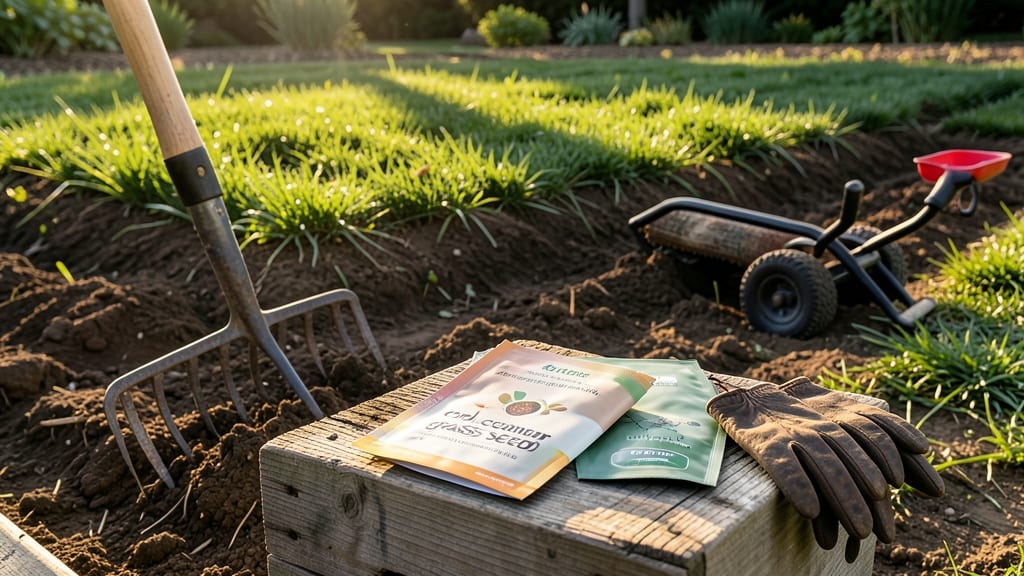
Timing your Grass (Turfgrass) planting in Western Washington State can feel like guessing when to jump into a chilly Puget Sound swim—too soon and you’ll regret it, but too late and you miss the best conditions.
The 8a-9a climate here means coastal areas like Seattle and Bellingham have milder winters, while inland zones like Wenatchee face earlier frosts.
Most gardeners know spring is the prime window, but what you might not realize is that March–April offers the sweet spot for 🌱 germination—when soil warms to 55°F and frost risks fade.
Planting too early risks cold snaps, while late starts struggle with summer’s heat and drought, especially in drier inland areas.
This guide cuts through the guesswork by breaking down the best planting strategies for your microclimate, whether you’re dealing with coastal dampness or inland dry spells.
You’ll learn how to time your planting for maximum root growth, choose the right grass types, and avoid common pitfalls that leave lawns patchy or weak.
Ready to grow a lawn that’s the envy of your neighborhood? Let’s dive into the secrets that make Western Washington’s best grass thrive year after year.
Optimal grass planting windows for Western Washington’s coastal vs. inland zones
Western Washington’s microclimates create dramatic differences in grass planting success. Coastal areas like Seattle and Bellingham enjoy milder winters and cooler summers, while inland zones like Spokane face hotter, drier conditions. These variations mean your planting window could shift by 4-6 weeks depending on location.
For coastal regions, the ideal window starts in early March and extends through mid-April, when soil temperatures consistently reach 55°F. Inland areas should wait until late April to early May to avoid late frosts that can devastate young seedlings.
Soil temperature is your best indicator—use a soil thermometer to confirm readiness. Coastal soils warm more slowly due to high humidity and foggy mornings, while inland soils dry out faster, creating a narrower window for planting.
Here’s how the two zones compare side by side for your reference:
| Factor | Coastal Zones (Seattle, Bellingham) | Inland Zones (Spokane, Wenatchee) |
|---|---|---|
| Best Planting Window | Early March–Mid-April | Late April–Early May |
| Soil Temp Threshold | 55°F (consistent) | 60°F (consistent) |
| Frost Risk | Low (after March 15) | High (until May 1) |
| Rainfall Impact | High (natural watering) | Low (supplemental water needed) |
| Grass Types | Fine fescue, ryegrass | Tall fescue, Kentucky bluegrass |
In coastal zones, the mild ocean influence extends the planting window into late April, but watch for coastal fog that can delay soil warming. I’ve seen Bellingham gardens successfully plant as late as mid-May using fast-germinating ryegrass, though results vary.
For inland areas, prioritize soil prep in March—tilling and amending with compost—so your lawn is ready by the May 1 target. The hotter summers in Spokane demand drought-resistant varieties like tall fescue, which handles less frequent watering better than Kentucky bluegrass.
Even within these zones, elevation matters. Mountainous regions like North Cascades may need to delay planting until late May due to late-spring snow, while Puget Sound lowlands can start as early as February for overseeding projects.
Pro tip: Check your local USDA Zone (typically 8a-9a in Western WA) and adjust by 1-2 weeks if you’re near water (cooler) or in a sun-exposed valley (warmer). The Washington State University Extension offers free soil temperature maps to track readiness.
Remember, fall planting (September) works too—especially for coastal areasconsistent rainfall create ideal germination conditions without summer heat stress. 🌱
How to adjust planting timing for Western Washington’s unpredictable weather
Western Washington’s mild but unpredictable climate throws curveballs at even the most experienced gardeners. One year, frost lingers into April, while the next, summer heat arrives by May.
The key to success? Flexibility. I’ve learned to adjust my planting timeline based on soil temperature, rainfall patterns, and local frost alerts—not just the calendar.
Start by testing your soil temperature with a simple thermometer. Grass seeds need soil that’s consistently 55°F or warmer to germinate. In coastal areas like Seattle or Bellingham, this often means waiting until late March or early April.
Inland areas like Spokane or Wenatchee may hit this threshold by mid-April. If your soil is too cold, your seeds will rot instead of sprout.
🚨 CRITICAL TIP: Use a seed blanket or erosion mat if planting before spring rains arrive. These protect seeds from washing away while allowing moisture to penetrate. I’ve seen entire lawns fail because seeds were planted too early without this simple safeguard.
⚠️ Late Frost Warning
Western WA’s coastal fog can delay warm-ups. Check your local USDA frost calendar (Zone 8a-9a) and have a backup planting date ready. If frost hits after seeding, cover new grass with lightweight row covers until temperatures stabilize.
For fast germination, choose ryegrass blends—they sprout in 7-14 days and tolerate cooler soils. Fescue varieties take longer (21-30 days) but thrive in shady or high-traffic areas. I always keep a mix of both on hand to hedge my bets against unpredictable weather.
If summer heat arrives early (like in 2021’s heat dome), shift to fall planting (September). The cooler nights and consistent rainfall create ideal conditions. Just avoid planting when daytime temps exceed 85°F—seeds dry out too quickly, and germination fails.
Pro tip: Use a weather station app to track 7-day forecasts. I set alerts for soil temp spikes and rainfall predictions to time my planting perfectly. Even a 24-hour window of ideal conditions can make or break your lawn’s success.
Remember, overseeding in fall (September-October) is your safety net. Cool-season grasses like Kentucky Bluegrass and Fescue grow roots aggressively in fall’s mild weather, giving you a head start for spring. It’s how I’ve maintained my lawn’s vibrancy through 10+ years of Western WA’s whimsical weather. 🌱