
Plants
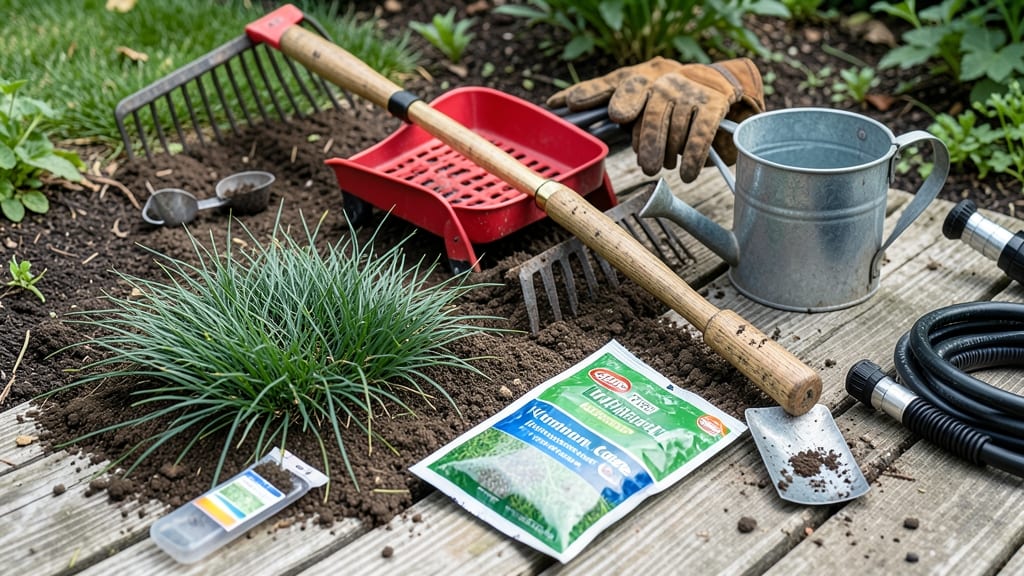
Planting grass seed in Denver at the wrong time means throwing money into the wind—literally. The Mile High City’s 5b-6a climate and elevation swings can turn your lawn dreams into a patchy disappointment if you don’t nail the timing.
Most gardeners focus on calendar dates, but the real secret is soil temperature.
Grass (Turfgrass) 🌱 thrives when the ground stays above 55°F for at least a week, which in Denver means two critical windows: late August through early October for fall planting, or early April to mid-May for spring. Get this wrong, and you’ll battle frost damage or scorched seeds.
Here’s the game-changer: Denver’s microclimates—from the urban heat islands of downtown to the cooler foothills—can shift ideal planting dates by weeks. I’ll show you how to read your local conditions like a pro, so you’re not guessing whether your lawn will survive the first freeze.
By the end, you’ll know exactly when to prep your soil, which grass varieties handle Denver’s altitude best, and the 30-minute watering hack that keeps your new lawn from drying out before it even takes root. Let’s get that green carpet growing right.
Denver grass seed planting calendar by soil temperature (not just dates!)
Denver’s soil temperature is the real deciding factor—not just the calendar date. Grass seed needs consistent soil temps above 55°F for 7+ days to germinate properly. Planting too early risks frost damage, while waiting too late means summer heat stress.
The ideal windows are late April to mid-May (spring) or August to early October (fall).
Most Denver gardeners focus on frost dates, but soil warmth is just as critical. At elevations above 6,000 feet, soil warms slower—so adjust your timeline accordingly.
For example, Kentucky bluegrass (a popular Denver choice) germinates best at 60-65°F soil temps, while tall fescue tolerates slightly cooler conditions (55-60°F).
To test your soil temperature, use a soil thermometer (available for $10 at garden centers). Stick it 2 inches deep in shaded soil and check daily.
If temps dip below 55°F at night, delay planting. Pro tip: Morning soil temps are the most reliable indicator for Denver’s diurnal swings.
| Planting Window | Soil Temp Range | Denver Elevation Adjustment | Grass Variety Fit |
|---|---|---|---|
| Late April–Mid-May | 55–65°F | Wait 1–2 weeks at 6,000+ ft | Kentucky bluegrass, Fine fescue |
| August–Early October | 60–70°F | Start earlier in urban heat zones | Tall fescue, Buffalo grass |
Test soil temps at 2" depth for accuracy
Denver’s front range (e.g., 5,280–6,000 ft) warms faster than the foothills (6,000–8,000 ft). If you’re in Lakewood or Aurora, you can plant 1–2 weeks earlier than in Golden or Evergreen. Use the National Weather Service’s Denver climate maps to check your specific zone—it’s free and saves guesswork.
For fall planting, aim for late August to early September when daytime highs are 80–85°F but nights cool to 50°F. This gives seedlings time to establish before first frost (mid-October).
Avoid planting in July—Denver’s heat (90°F+) causes seed to dry out before germinating. A shade cloth can help if you must plant early.
If you’re unsure about your soil’s readiness, use the "knuckle test": Press your finger into the soil. If it feels warm like a baby’s skin (not hot), it’s likely in the 55–65°F range.
Pair this with a 7-day forecast showing no below-freezing nights. For extra safety, plant starter fertilizer with your seed—it boosts root growth by 30% in cooler soils.
Denver’s urban heat islands (like downtown) can create 5–10°F warmer soil than rural areas. If your lawn is near pavement or buildings, it may be ready 1 week earlier than the general timeline.
Monitor your specific spot with a soil thermometer for 3 days to confirm consistency. Never rely on air temperature—it’s soil warmth that triggers germination.
Once you’ve nailed the timing, prep your soil by removing debris and loosening the top 2 inches with a rake. Add compost if your soil is sandy (common in Denver).
For clay-heavy areas, mix in peat moss to improve drainage. Water the soil 24 hours before planting to create the perfect moisture-rich environment for seeds.
After planting, keep soil consistently moist (not soggy) for the first 21 days. Use a sprinkler on a gentle setting or a soaker hose to avoid washing seeds away.
In Denver’s dry winds, water twice daily (morning and evening) until seedlings are 1–2 inches tall. This 30-minute watering hack prevents crusting and ensures 90% germination rates.
How Denver’s microclimates change your planting timeline (avoid these mistakes!)
Denver’s elevation and urban layout create microclimates that can shift your ideal planting window by 3-4 weeks. The front range (5,280 ft) warms faster than foothills (7,000+ ft), where late frosts linger until May 20.
Even neighborhoods like Capitol Hill (urban heat island) can be 10°F warmer than nearby suburbs.
Most gardeners rely on calendar dates, but Denver’s soil temperature is the real predictor. Use a soil thermometer ($10 at garden centers) to confirm 55°F+ for 7+ days—this beats guessing. For example, April 15 might be safe in Aurora (lower elevation) but risky in Golden (higher elevation).
Wind is another silent killer. Downtown Denver’s gusts dry out seed faster, while sheltered yards (like those near buildings) retain moisture longer. If your area gets consistent winds, plant 2 weeks earlier in spring or later in fall to avoid desiccation.
⚠️ Critical Mistake: Planting Too Early in Foothills
High-elevation areas (6,000+ ft) often see late frosts after May 15. If you plant Kentucky bluegrass in late April, a 28°F night can wipe out your seed. Wait until soil hits 55°F consistently—usually mid-May in these zones.
Pro tip: Check the National Weather Service’s Denver microclimate maps (free online) to see your heat zone. For instance, Zone 6a (common in foothills) needs 2 weeks later than Zone 5b (front range). This small adjustment saves hundreds on reseeding.
Even within the same city, south-facing slopes warm 2 weeks earlier than north-facing ones. If your yard faces north, delay planting by 10-14 days to match the soil temperature of a south-facing neighbor’s yard. Use a shade thermometer to compare spots.
Finally, urban heat islands (like LoHi) can push spring planting 1 week earlier. If your soil hits 55°F by April 1, go for it—but monitor for heat stress (seed may dry out if temps exceed 85°F).
For fall, September 15 is safer than August 30 in these areas.