
Plants
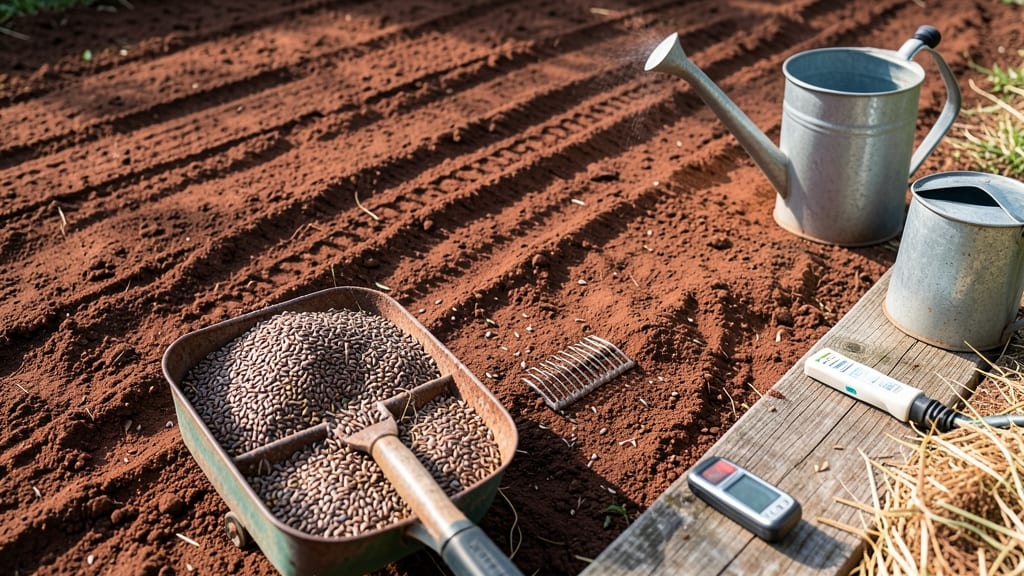
Timing your grass seed planting in Louisiana isn’t just about the calendar—it’s about beating the heat, humidity, and fungal threats that can turn your lawn dreams into a soggy mess. With USDA zones 8a-9b and sweltering afternoons, planting too early or late means slower germination or seed loss to mold.
The key? Two narrow windows where soil stays cool enough for roots to take hold—March-April for spring and August-September for late summer.
Why does this matter? Because Louisiana’s climate plays hardball with grass seed. Planting in the wrong month means battling fungal diseases, stunted growth, or seeds that bake before they sprout. I’ve seen it happen—thick, lush lawns one season, patchy disappointment the next.
The difference? Knowing when to act and how to prep your soil for fast germination in humidity that would drown other plants.
If you’re staring at bare patches and wondering why your grass isn’t cooperating, the answer might be as simple as planting at the wrong time.
Let’s break down the best months for your region—whether you’re in North Louisiana’s cooler pockets or the steamy South—and how to give your seed the fighting chance it deserves.
You’ll learn the exact soil temperatures to target, how to outsmart humidity with shade cloth, and which grass types thrive in Louisiana’s extremes. No more guessing—just proven timing for a lawn that finally sticks around.
Best planting windows for Louisiana grass seed: month-by-month breakdown
Louisiana’s climate demands precision when planting grass seed—cool-season grasses thrive in spring and fall, while warm-season varieties need summer’s heat. The key is aligning your planting with soil temperatures and humidity patterns to avoid fungal issues or slow germination.
For example, Bermuda grass craves 80°F+ soil, while Tall Fescue struggles above 75°F. Let’s break down the best months for each region.
Northern Louisiana (USDA Zones 7b-8a) has cooler winters, giving you a 6-week window in early spring (March-April) for cool-season grasses like Ryegrass. Meanwhile, Central and Southern Louisiana (Zones 8b-9a) can plant warm-season grasses like St. Augustine as early as late February, thanks to milder winters.
Timing is everything—plant too early, and your seed rots; too late, and drought or heat stress takes over.
🌱 Louisiana Grass Seed Planting Guide
| Month | Best For | Soil Temp | Humidity Tip |
|---|---|---|---|
| February | Warm-season (South LA) | 65°F+ | Use shade cloth if >80% humidity |
| March-April | Cool-season (North/Central) | 55-65°F | Water deeply at dawn |
| May-June | Warm-season (All regions) | 75°F+ | Avoid midday planting |
| August-September | Cool-season (Fall transition) | 60-70°F | Mulch to retain moisture |
⚠️ Pro Tip: Test soil moisture with your finger—it should feel like a wrung-out sponge before planting.
For warm-season grasses like Zoysia or Centipede, aim for late spring to early summer (May-June) when soil temps hit 75°F+. These grasses dormant in winter, so planting in fall risks frost damage.
Meanwhile, cool-season grasses like Fescue or Bluegrass should go in early spring (March) or late summer (August-September) to beat the heat. Think of it as a race against humidity—plant too late, and fungal diseases like Brown Patch move in.
Southern Louisiana’s higher humidity (often 80-90%) means you’ll need to water lightly but frequently after planting. Use a sprinkler with fine mist to avoid washing seeds away, and avoid overhead watering in the afternoon when humidity peaks.
In North Louisiana, where winters are cooler, you can push cool-season planting into early April without risking frost. The goal? Germination within 7-14 days—any longer, and weeds take over.
If you’re in transition zones (like Baton Rouge or Lake Charles), consider overseeding warm-season grass with Ryegrass in fall for winter color. This two-step approach ensures year-round coverage.
Just remember: warm-season grasses need full sun, while cool-season types tolerate partial shade. Match your seed to your yard’s light conditions for best results.
One critical mistake Louisiana gardeners make? Planting too early in spring when soil is still cold. Use a soil thermometer—wait until temps hit 60°F+ for cool-season grasses or 75°F+ for warm-season types.
Pro tip: Rake soil to 1-2 inches deep before seeding to improve aeration and moisture retention. This simple step can double your germination rate in humid conditions.
For fastest results, plant warm-season grasses in May and cool-season varieties in September. This timing lets you avoid peak humidity while giving seedlings time to establish before extreme weather hits.
And if you’re in hurricane-prone areas, wait until after June 1st to plant—early season storms can wash away seeds or compact soil.
Finally, shade is your enemy in Louisiana’s heat. If your yard has large trees, choose shade-tolerant grasses like Shadow Turf or St. Augustine. For full-sun areas, <
How humidity and heat affect grass seed germination in Louisiana
Louisiana’s humidity levels and sweltering heat can either accelerate or sabotage your grass seed’s germination. Unlike cooler climates, high moisture in the air and soil creates a double-edged sword—too much humidity can lead to fungal diseases like brown patch, while too little dries out seeds before they sprout.
The key is balancing soil moisture, airflow, and temperature to give seeds the best shot at thriving.
Grass seeds need consistent moisture to germinate, but Louisiana’s 90%+ humidity during summer months can suffocate seeds by trapping heat in the soil. If the air feels sticky, your seeds might struggle unless you take extra steps to prevent overheating.
Aim for soil temperatures between 60°F and 75°F—any hotter, and germination slows or stops entirely.
Here’s how to mitigate risks: Aerate your soil before planting to improve drainage, and avoid watering in the evening when humidity peaks. Instead, water early in the morning to let excess moisture evaporate.
If planting in summer (August-September), use a light shade cloth (30-50% coverage) to protect seeds from direct sun while keeping soil cool.
🌱 Critical Tip: Louisiana’s warm-season grasses (like Bermuda or Zoysia) handle humidity better than cool-season types (like Fescue), but even they need proper airflow. Use a leaf blower to clear debris after planting and keep the surface loose for better seed-to-soil contact.
⚠️ Warning: Fungal Risks in Humid Conditions
Overwatering or poor drainage in Louisiana’s climate can trigger fungal infections like dollar spot or gray leaf spot. Symptoms include yellowing patches, slimy soil, or moldy growth. To prevent this:
- Water deeply but infrequently (1/2 inch, 2-3x/week max).
- Avoid wet leaves—mow high (3-4 inches) to improve airflow.
- Apply fungicide if humidity stays above 80% for >48 hours.
🌧️ Pro Move: Test soil moisture with your finger—if the top 1/2 inch is dry, water; if it’s soggy, wait.
Another challenge? Rainfall timing. Louisiana averages 50-60 inches annually, but sudden downpours can wash away newly planted seeds. If rain is forecasted within 48 hours of planting, consider using a starter fertilizer with a water-retentive polymer (like hydro-mulch) to keep seeds in place.
For spring plantings (March-April), pair seeds with a pre-emergent herbicide to block weeds without harming germination.
Finally, monitor seed depth—Louisiana’s heavy clay soils can compact easily, burying seeds too deep. Plant no deeper than 1/4 inch for most grasses, and lightly rake after sowing to ensure even contact.
If you’re in southern Louisiana (Zone 9b), opt for drought-tolerant varieties like Buffalo Grass, which handle humidity better than traditional lawn grasses.
By adjusting for humidity spikes, soil temperature, and watering habits, you’ll give your grass seed the fighting chance it needs to outlast Louisiana’s toughest growing conditions. Patience and prep are your best tools—don’t rush the process! 🪴