
Plants
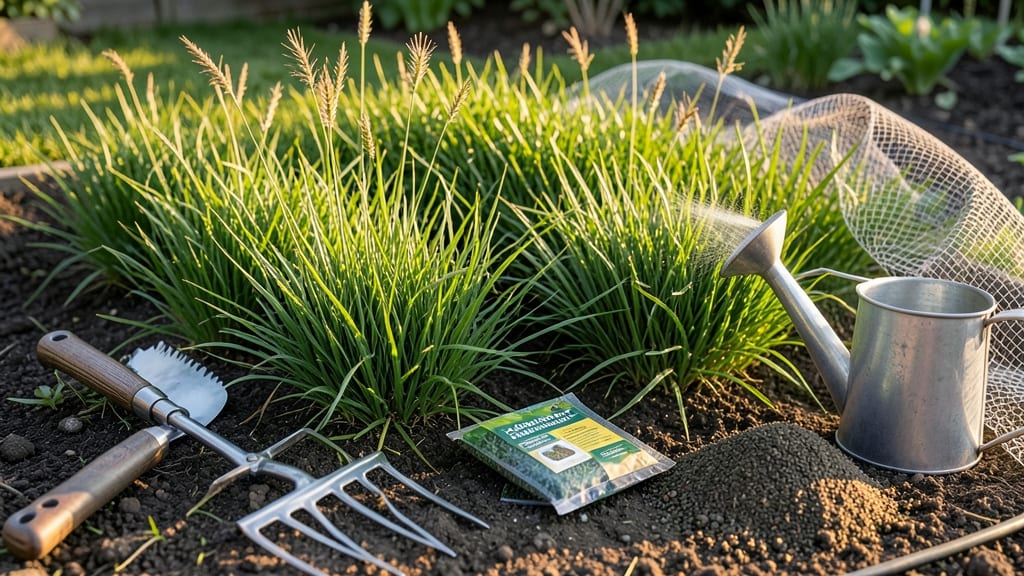
Best planting months in Rhode Island: frost-free window & soil temperature guide
Rhode Island’s Zone 6b climate means your grass seed timing hinges on soil temperature and frost dates. Coastal areas like Newport warm faster than inland spots like Westerly, so adjust your schedule accordingly.
The ideal planting window spans early spring (March-April) and early fall (September-October), when soil stays above 50°F but nights aren’t freezing.
For Providence and Central RI, average last frost dates fall around April 15, while coastal zones like Block Island can be 1-2 weeks earlier. Inland areas like Westerly may see frost linger until May 1.
Plan accordingly—late spring planting risks drought stress, while fall planting gives seedlings time to establish before winter.
Here’s your Rhode Island planting timeline based on soil temps and frost risks:
| Season | Best Months | Soil Temp (°F) | Frost Risk | Notes |
|---|---|---|---|---|
| Early Spring | March–April | 50–60°F | Low (after April 15) | Fast germination, but watch for late frosts. |
| Late Spring | May | 60–70°F | None | Risk of drought; water deeply. |
| Early Fall | September–October | 50–65°F | Moderate (after Oct 1) | Best window—cool temps reduce weeds. |
| Late Fall | November | Below 50°F | High | Avoid—seeds won’t germinate. |
Use a soil thermometer ($10 at garden centers) to confirm temps before planting. Coastal areas (e.g., Newport) may hit 50°F soil temps by late March, while inland Westerly could wait until mid-April. Pro tip: Test soil moisture too—dry soil can delay germination even if temps are right.
For fastest results, aim for September planting. The 60-day window before first frost (mid-October) lets grass establish roots without summer heat stress. Tall fescue and fine fescue thrive in Rhode Island’s climate, while Kentucky bluegrass needs cooler fall temps to germinate.
If you’re planting in spring, start by mid-March in coastal zones or late March inland. Use row covers if nights dip below 40°F to protect young seedlings. Avoid planting after May 15—summer drought will kill tender new grass.
Rhode Island’s humidity and salt spray (coastal areas) demand extra care. Rinse soil with fresh water after planting to remove salt buildup, and choose drought-resistant varieties like tall fescue for sandy soils common in Block Island.
Check the Rhode Island Gardening Calendar for real-time updates on frost advisories. Local extensions offices (like URI’s) often post weekly soil temp alerts—bookmark their resources for season-specific tips.
Remember: Soil temp > air temp. A sunny 70°F day in April might hide 45°F soil—always dig down 2 inches to check. Wait until soil hits 50°F consistently for 7+ days before planting.
Spring vs. fall planting: which works better in Rhode Island’s climate?
Rhode Island’s coastal climate creates two distinct planting seasons for grass seed—spring and fall—each with unique advantages. Coastal areas like Newport and Providence experience milder winters, while inland zones like Westerly face earlier frosts. Choosing the right season depends on your grass variety, soil conditions, and pest pressures. Let’s break down the pros and cons so you can decide which window works best for your lawn.Spring planting (March–April) offers warm soil and long daylight hours, but weed competition can be fierce. Fall planting (September–October) avoids summer heat stress and gives grass roots time to establish before winter.
However, late fall frosts can stunt growth if seeds germinate too early. Your choice hinges on balancing these factors with Rhode Island’s humidity levels and microclimates.
For example, tall fescue thrives in both seasons, while cool-season grasses like Kentucky bluegrass prefer fall. Coastal areas may extend fall planting into early November, but inland zones should finish by mid-October. Understanding these nuances ensures your grass seed gets the best possible start.
🌱
Spring Planting vs. Fall Planting
- Pros: Warm soil, faster germination
- Cons: Weed competition, summer drought risk
- Pros: Fewer weeds, cooler temps, strong root growth
- Cons: Early frost risk, slower spring emergence
If you opt for spring planting, aim for late March to early April when soil temperatures hit 50–55°F. This timing avoids frost while giving seeds time to germinate before summer’s heat.
However, weed seeds also wake up early, so pre-emergent herbicides may be necessary. For fall planting, September is ideal—cool nights and warm days create perfect conditions for root development.
Rhode Island’s coastal humidity can also play a role. In areas like Narragansett Bay, fall planting may extend into early October due to slower cooling. Meanwhile, inland zones should wrap up by mid-September to avoid frost damage.
Always check your local frost date averages (typically October 15 for most of the state) to time your planting correctly.
For maximum success, consider a split planting strategy: sow half your seed in early spring and the other half in late summer. This hedges against weather surprises and ensures a dense, uniform lawn.
Just remember—watering consistency is critical in both seasons, especially during Rhode Island’s unpredictable rainfall patterns.
🌿