
Plants
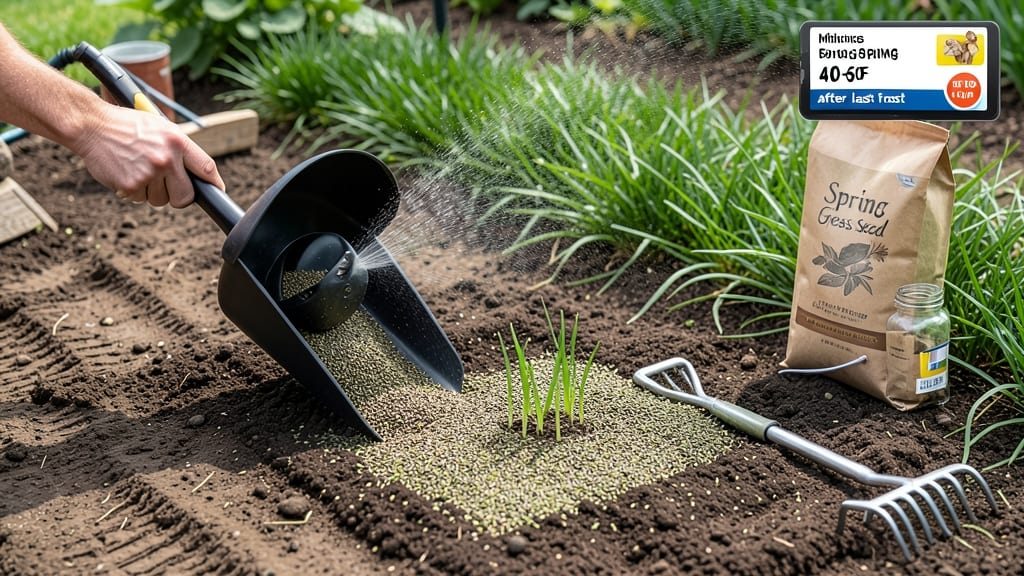
Michigan’s ideal soil temperature for planting grass seed in spring
Michigan’s spring weather is famously fickle, but the soil temperature—not air temperature—determines whether your grass seed will sprout or rot. For cool-season grasses (like Kentucky bluegrass and fescue), the sweet spot is 50–65°F.
Warm-season grasses (like Bermuda) need 65–75°F, but they’re rare in Michigan’s climate. Most homeowners plant cool-season varieties, so we’ll focus on that range.
Why does this matter? Grass seed won’t germinate below 50°F, and soil above 70°F can cause seed to dry out before sprouting. Michigan’s USDA zones 5b–6b mean your soil warms gradually, so timing is everything.
Use a soil thermometer ($10 at garden centers) to check depth—2 inches deep is the critical zone for seed placement.
Northern Michigan (e.g., Traverse City, Marquette) often waits until late April or early May due to slower soil warming. Southern regions (like Detroit or Ann Arbor) can start as early as mid-March, but always confirm with your local last frost date.
The Michigan State University Extension provides county-specific averages—bookmark their frost risk maps for real-time updates.
Here’s the golden rule: Plant when your soil hits 50°F for 5 consecutive days. This ensures consistent germination without frost damage. Pro tip: Morning soil temps are usually 5–10°F cooler than afternoon readings—check in the late morning (10 AM–12 PM) for accuracy.
🌱 Michigan Soil Temp & Frost Risk
Step-by-step spring planting timeline for zero frost risk in Michigan
Michigan’s spring is a race against time—late frosts can wipe out your grass seed in days. To outsmart Mother Nature, follow this frost-free planting timeline tailored to Michigan’s USDA Zones 5b-6b. Start by checking your local last frost date (typically mid-April in most regions) and work backward.
The key is planting 4-6 weeks before your average last frost, when soil temperatures hit 50°F (10°C) consistently. For cool-season grasses (like Kentucky bluegrass or fescue), this usually means late March to early April.
Warm-season grasses (like Bermuda) should wait until after Memorial Day—but those aren’t ideal for Michigan’s climate.
🌱 Step-by-Step Spring Planting Timeline
- Late February - Early March: Test soil pH (aim for 6.0-7.0) and amend with compost if needed.
- Mid-March: Rake existing lawn debris and loosen soil to ¼-inch depth for seed contact.
- Early April (soil ≥50°F): Spread ½ lb seed per 100 sqft and lightly rake in. Water ¼-inch daily.
- Mid-April: Monitor for frost and cover seedlings with lightweight row fabric if nights dip below 32°F.
- Late April - May: Gradually reduce watering to 1-inch weekly once grass reaches 3 inches tall.
- June: Apply light fertilizer (10-10-10) to encourage root growth.
Don’t skip soil prep—heavy clay soils in Michigan (common in southern regions) need sand or peat moss to improve drainage. If your area has late frosts (like Traverse City or the Upper Peninsula), delay planting until after April 15 to avoid seedling damage.
Use a soil thermometer ($10 at garden centers) to confirm readiness—50°F is non-negotiable for germination.
For shady lawns, opt for fine fescue (tolerates 2-4 hours of sun)), while sunny areas thrive with Kentucky bluegrass. After planting, keep soil moist but not soggy—Michigan’s spring showers can lead to fungus if water pools.
A lawn sprinkler timer (set to morning cycles) saves time and ensures consistency.
🌱