
How To
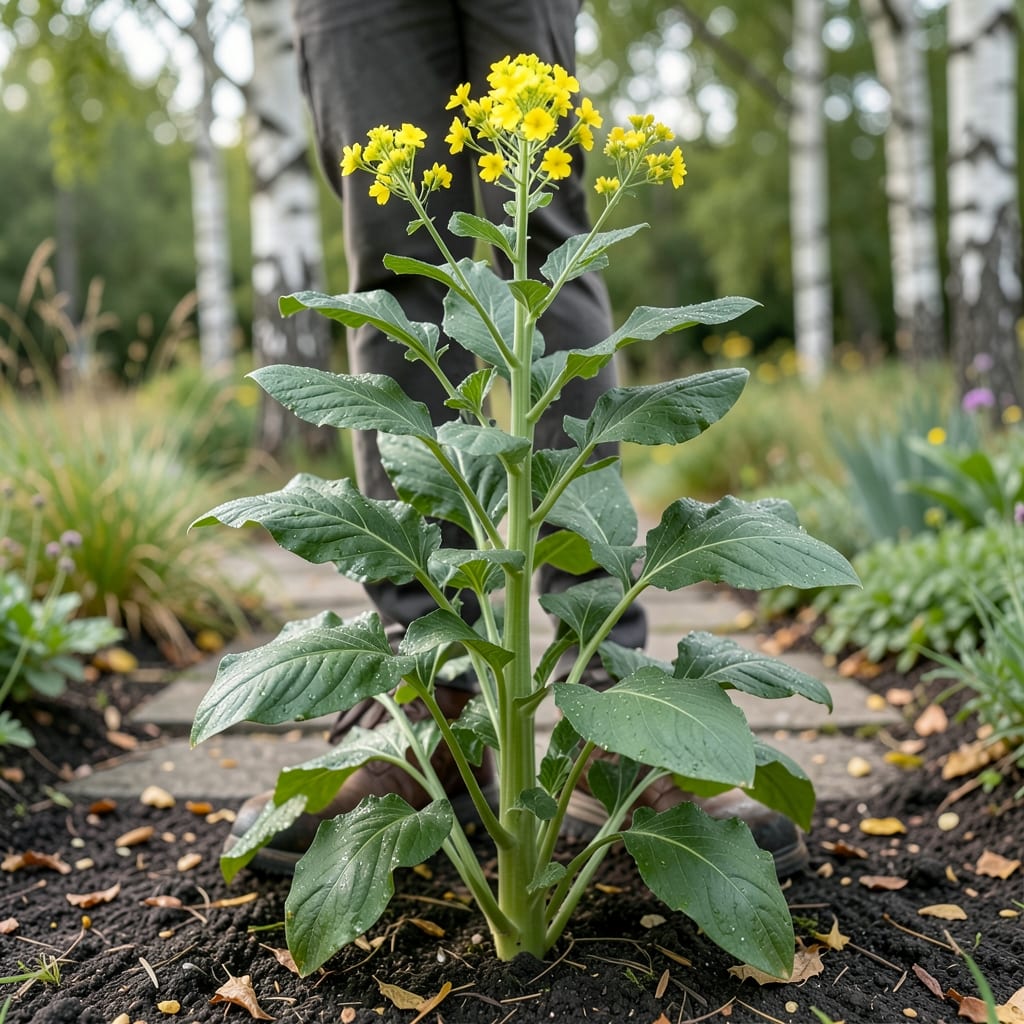
Have you ever wondered how tall a mustard seed can grow when planted in your garden? The answer might surprise you—some varieties of mustard can stretch toward the sky like a green skyscraper, reaching heights far beyond what most gardeners expect.
Most gardeners assume mustard plants stay modest, but certain fast-growing types like Brassica juncea can shoot up to 3 feet or more under ideal conditions. Whether you're working with leafy greens or flowering varieties, understanding how tall your mustard can grow helps you plan spacing, sunlight, and even harvesting strategies for maximum yield.
If you're curious about how to coax your mustard plants to reach their full potential, we'll break down the key factors that influence growth—from soil prep to sunlight exposure. Discover which varieties are the tallest and how simple care adjustments can make a big difference in your garden's vertical growth.
Ready to turn those small seeds into towering plants? Let's explore how mustard can grow taller than you imagined and what it takes to nurture them from seed to harvest.

Mustard plant growth height: giant varieties that surpass 10 feet
When you think of mustard plants, you might picture small leafy greens perfect for salads—but some varieties can grow into towering giants that defy expectations. The height of a mustard plant depends entirely on the variety and growing conditions. While most garden varieties like Brassica juncea reach 2-3 feet, certain ornamental and wild types can stretch up to 10 feet or more under ideal conditions.
For example, oriental mustard (Brassica juncea) is the most common type grown for greens, but its flowering varieties can shoot up dramatically when left unpruned. Meanwhile, white mustard (Sinapis alba) often grows taller, especially in loose, fertile soil. Understanding these differences helps you choose the right variety for your garden space and goals.
Here’s the surprising truth: with the right care, your mustard plants can grow 3x taller than their leafy counterparts. The key lies in sunlight exposure, soil nutrients, and allowing the plant to bolt naturally—a process where it sends up a tall flowering stalk. Let’s explore which varieties hit the highest heights and how you can encourage that vertical growth in your own garden.
🌱
| Variety | Mature Height | Growth Habit | Best For |
|---|---|---|---|
| Oriental Mustard (Brassica juncea) | 2-3 ft | Leafy greens or flowering | Salads, stir-fries |
| White Mustard (Sinapis alba) | 3-6 ft | Tall flowering stalks | Ornamental, seed production |
| Black Mustard (Brassica nigra) | 4-10 ft | Wild-type, aggressive growth | Wild gardens, naturalized areas |
| Dwarf Mustard (Brassica juncea 'Tokyo Cross') | 8-12 in | Compact, bushy | Container gardening |
| Green Wave Mustard (Brassica juncea) | 3-4 ft | Fast-growing, bolt-resistant | Cold climates, early harvests |
The black mustard (Brassica nigra) is the tallest variety, often reaching 10 feet in ideal conditions. This wild-type grows aggressively and is commonly found in naturalized areas or as a weed. If you’re aiming for height, this variety will impress—but it requires plenty of space and minimal interference to reach its full potential.
On the other hand, dwarf varieties like Tokyo Cross stay compact at just 8-12 inches, making them perfect for containers or small gardens. These shorter types are great if you’re growing mustard for leafy greens rather than height. The choice depends on whether you prioritize yield, space efficiency, or ornamental value.
One common misconception is that mustard plants grow tall only when they’re neglected. In reality, proper care—like adequate sunlight and nutrients—encourages taller growth. If you’re growing mustard for seed production, allowing the plant to bolt naturally will result in the tallest stalks, often exceeding 4 feet. For leafy greens, regular harvesting prevents bolting and keeps plants shorter.
🌿
To maximize height, focus on soil fertility and sunlight exposure. Mustard plants thrive in full sun (6+ hours daily) and well-draining soil rich in organic matter. If your soil is poor, amending it with compost or a balanced fertilizer (like 10-10-10) can give your plants the boost they need to grow taller.
Another factor is spacing. Crowded plants compete for nutrients and sunlight, stunting their growth. For tall varieties, space seeds 18-24 inches apart to give roots room to expand. This simple adjustment can make a noticeable difference in how tall your mustard plants grow over time.
If you’re growing mustard in containers, choose dwarf varieties or prune regularly to control height. Even standard varieties can be kept manageable with side pruning—simply snip the outer leaves to encourage bushier growth. This technique works well for salad greens but won’t help if you’re aiming for towering flowering stalks.
🪴
How to grow a tall mustard plant: step-by-step guide for maximum height
If you're dreaming of mustard plants that reach sky-high, the secret lies in the details—starting with soil preparation. Mustard thrives in loose, fertile soil that drains well. Before planting, mix in 2-3 inches of compost or well-rotted manure to give your plants the nutrients they need to grow tall. Avoid heavy clay soil, which can stunt root growth and limit height potential.
Once your soil is ready, plant seeds ¼ inch deep in early spring, after the last frost. Space them 18-24 inches apart for tall varieties like white mustard or black mustard. This spacing prevents overcrowding, which forces plants to compete for sunlight and nutrients, keeping them short. For dwarf varieties, you can reduce spacing to 12 inches.
🌱
- Step 1: Prepare soil with compost for nutrient-rich growth.
- Step 2: Plant seeds ¼ inch deep, spacing 18-24 inches apart.
- Step 3: Water deeply at soil level to avoid wetting leaves.
- Step 4: Apply fertilizer (10-10-10) when seedlings are 2 inches tall.
- Step 5: Prune side shoots to encourage taller main stalks.
- Step 6: Allow bolting for seed production or harvest leaves early.
After planting, water deeply but infrequently—mustard plants prefer consistent moisture but hate soggy soil. Water at the base of the plant in the morning to reduce evaporation and fungal risks. During hot weather, increase watering to every 2-3 days, but avoid overhead watering, which can spread disease and weaken stems, reducing height.
When seedlings reach 2 inches tall, apply a balanced fertilizer (like 10-10-10) to promote rapid vertical growth. Use 1 tablespoon per plant and water it in immediately. Fertilize again 4-6 weeks later if your plants are still growing actively. Over-fertilizing can lead to lush foliage but weak stems, so moderation is key for tall, sturdy plants.
To encourage taller growth, focus on the main stalk rather than side shoots. When your mustard plants bolt (send up a flowering stalk), remove any side branches that form at the base. This redirection of energy helps the plant grow taller instead of bushier. If you're growing mustard for seed production, let the plant bolt naturally—this will result in the tallest stalks, often reaching 6-10 feet in ideal conditions.
🌿
One of the biggest mistakes gardeners make is pruning too aggressively. While light pruning encourages bushier growth, heavy pruning can stunt height. If you're growing mustard for leafy greens, harvest the outer leaves regularly to keep the plant producing new growth. However, if your goal is maximum height, avoid pruning the main stalk and let the plant focus its energy on vertical growth.
Finally, protect your tall mustard plants from strong winds, which can cause them to topple. If you're growing in a windy area, consider staking the tallest varieties with bamboo stakes or a lightweight trellis. This support system allows the plant to grow taller without risking damage. With these steps, you’ll be well on your way to growing mustard plants that reach their full height potential!
✂️