
Plants
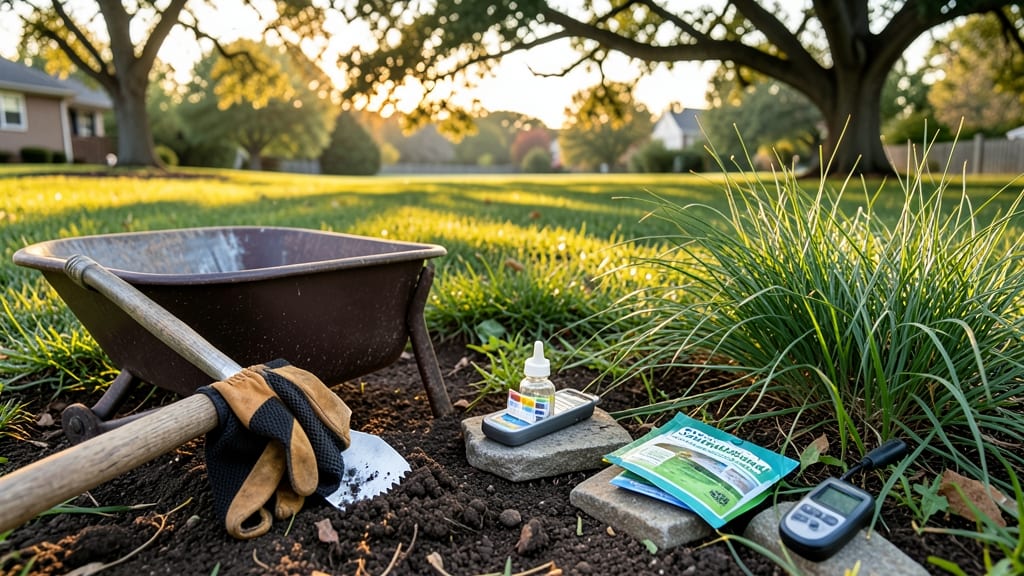
Timing your grass seed planting in spring Ontario can make or break your lawn’s success—especially when unpredictable frost dates and cool soils throw off even the best-laid plans.
If you plant too early, frost will kill your tender sprouts; too late, and weeds or heat stress will take over before your grass gets a foothold.
Here’s the secret: soil temperature is your best friend, not the calendar. In Ontario’s 5a-6b zones, waiting until the ground reaches a steady 50°F (10°C) ensures strong root growth and faster germination.
But with frost dates varying from mid-May in the south to June in the north, knowing exactly when to act is everything.
I’ll walk you through the ideal planting windows—whether you’re in Toronto’s urban heat islands or rural areas with heavier clay soils—plus how to test your soil, pick the right seed mix, and avoid common Ontario pitfalls like patchy growth or wasted seed.
No more guessing games, just a lush, resilient lawn that stands up to your region’s challenges.
Ready to transform your spring chore into a foolproof plan? Let’s dive into the steps that’ll have your lawn thriving by summer—no matter what Mother Nature throws your way.
Optimal soil temperature ranges for planting grass seed in Ontario’s spring zones
Ontario’s spring weather can be as unpredictable as a March snowstorm followed by 70°F sunshine—so planting grass seed at the wrong time often leads to disappointment. The golden rule? Wait until the soil temperature consistently stays above 50°F (10°C) for at least 5-7 days.
This ensures your grass seeds germinate properly and establish strong roots before summer heat arrives.
Most cool-season grasses (like Kentucky bluegrass or tall fescue), which thrive in Ontario’s climate, prefer soil temps between 55°F and 75°F (13°C–24°C). Warm-season grasses (like Bermuda or Zoysia) need even warmer soil—65°F+ (18°C+)—but they’re less common in Ontario’s USDA zones 5a-6b.
Testing your soil temperature is easier than you think: Use a soil thermometer or dig a small hole (6 inches deep) and check the soil’s warmth with your hand.
Southern Ontario (e.g., Toronto, London) typically hits 50°F soil temps by late April to early May, while Northern Ontario (e.g., Sudbury, Thunder Bay) may wait until late May or June.
Microclimates matter too—urban areas warm up faster than rural spots due to heat islands. Always adjust your planting window based on your local frost dates and weather forecasts.
Here’s how Ontario’s regions compare for spring grass seeding:
| Region | Ideal Planting Window | Soil Temp Trigger | Key Consideration |
|---|---|---|---|
| Southern Ontario (e.g., Toronto, Hamilton) | Late April–Early May | 50°F+ (10°C+) | Watch for late frosts; use mulch if nights dip below freezing. |
| Central Ontario (e.g., Barrie, Peterborough) | Early May–Mid-May | 52°F+ (11°C+) | Soil stays cooler longer; test temps weekly after last frost. |
| Northern Ontario (e.g., Sudbury, Thunder Bay) | Late May–Early June | 55°F+ (13°C+) | Shorter growing season; prioritize fast-germinating seeds. |
🌱 Pro Tip: Use a soil thermometer for 3 consecutive days to confirm readiness.
If you plant too early, frost damage or slow germination will leave your lawn patchy. Conversely, planting too late (after June 15) risks weed competition and heat stress.
For Ontario’s cool-season grasses, aim to seed 4-6 weeks before the last frost—typically early to mid-April in Southern Ontario—but always verify with a local weather station or Environment Canada alerts.
Another trick? Plant cool-season grasses in early fall (September) for a second chance at a lush lawn. Fall seeding often yields better results because soil temps stay ideal while weeds are less aggressive. Just avoid planting when soil temps drop below 45°F (7°C), as germination slows dramatically.
For heavy clay soils common in Ontario, improve drainage by amending with compost or sand before seeding. Clay holds moisture but can suffocate roots if waterlogged. A simple percolation test (dig a hole, fill with water, see how fast it drains) will tell you if your soil needs help.
Aim for 1 inch of water per week after planting to keep seeds moist but not soggy.
Don’t let Ontario’s unpredictable springs derail your lawn goals. By tracking soil temperature, adjusting for your local microclimate, and planting at the right time, you’ll set your grass up for strong root growth and a thick, green lawn all season long.
Start testing your soil now—your future lawn will thank you!
Step-by-step guide: how to time your grass seed planting for maximum success in Ontario
Timing your grass seed planting in Ontario isn’t just about the calendar—it’s about soil temperature, frost dates, and weather forecasts. For Southern Ontario, aim for early April to mid-May, while Northern Ontario gardeners should wait until late May to early June to avoid frost damage.
Use a soil thermometer to confirm temperatures are consistently above 50°F (10°C).
Start by testing your soil 2-3 weeks before planting. Ontario’s clay-heavy soils often need compost or sand to improve drainage. Remove debris and level the area—this helps seeds make direct contact with soil, which is critical for germination. A light raking creates the perfect texture for seed-to-soil contact.
🌱
Your Ontario Grass Planting Timeline
- 4-6 weeks before last frost: Test soil temperature (50°F/10°C minimum). Prep soil with compost or sand if needed.
- 2 weeks before planting: Remove weeds, level ground, and lightly rake. Apply starter fertilizer if soil lacks nutrients.
- Planting day: Spread seed evenly (use a spreader for large areas). Lightly cover with ¼ inch of soil or compost.
- First 2 weeks: Water lightly daily to keep soil moist (no puddles). Avoid walking on new seeds.
- 3-4 weeks post-planting: Gradually increase watering to 1 inch per week. Mow when grass reaches 3-4 inches.
Once seeds are planted, consistent moisture is key. Water early in the morning to reduce evaporation and fungal risks. Use a sprinkler with fine mist to avoid displacing seeds. Avoid heavy foot traffic for at least 2-3 weeks—new grass roots are delicate and need protection.
If Ontario’s spring weather throws curveballs (like late frosts or heavy rains), don’t panic. Use lightweight row covers to protect seedlings from unexpected cold snaps. For late plantings, choose fast-germinating varieties like tall fescue, which tolerates heat better than Kentucky bluegrass.
By following this timeline, you’ll give your lawn the best possible start. Remember, patience pays off—a well-timed planting means fewer weeds, stronger roots, and a lawn that thrives all season long. 🌿