
Plants
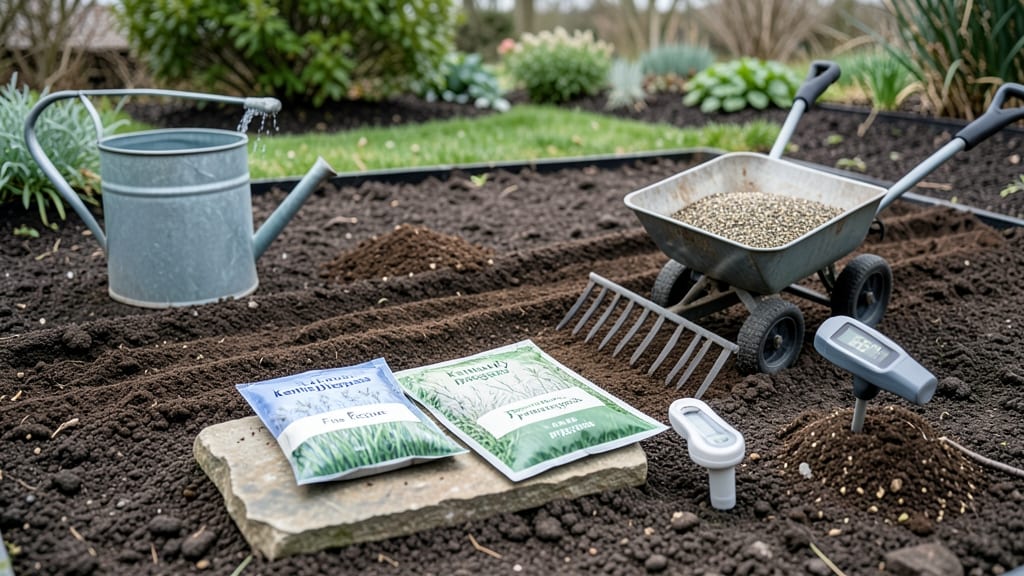
Timing your grass seed planting in the Northeast can make or break your lawn’s success—especially when unpredictable spring rains or early frosts throw off your plans. With USDA zones 5b-7a bringing unique challenges, getting the window right means the difference between fast germination and months of patchy disappointment.
You might assume spring is the only time to plant 🌱 grass, but fall often delivers better results when soil stays warm longer and weeds are less aggressive.
The key? Planting 4-6 weeks before the first frost (or after the last one) gives seeds time to establish roots before winter sets in.
In this guide, I’ll break down the best months for your specific zone, soil temperature thresholds, and how to adjust for regional microclimates—whether you’re coastal or inland. No more guesswork, just a lush lawn that starts right.
Ready to skip the trial-and-error? Let’s dive into the exact timing and prep work that’ll give you that green thumb confidence you’ve been waiting for.
Best months to plant grass seed by Northeast USDA hardiness zones
The Northeast's diverse climate zones (USDA 3-7) create wildly different planting windows for grass seed. Cool-season grasses like Kentucky bluegrass and tall fescue thrive when soil temps stay between 50-65°F, while warm-season types like Zoysia need 70°F+.
Let’s break down the best months for each zone to maximize germination and avoid frost damage.
In Zones 3-4 (northern Maine, Vermont, upstate NY), your window is tight: plant late April to early June after the last frost or early September for fall establishment. Zones 5-7 (PA, NJ, coastal MA) offer more flexibility with March-April and September-October as prime times.
Warm-season grasses like Bermuda or Zoysia are rare in the Northeast but can be planted in late May-June when soil is consistently above 65°F. Most homeowners stick to cool-season varieties, which dominate 90% of Northeast lawns.
Your last frost date is the golden rule: plant 4-6 weeks before the first frost or 4-6 weeks after the last frost. For example, in Zone 5b, that’s early April or mid-September.
Here’s how to match your zone to the perfect planting window:
For coastal areas (e.g., Zone 7a in Connecticut), humidity extends the fall window into October, while inland Zone 5b may need to finish by mid-September. Always check your local frost dates—they can vary by 2-3 weeks even within the same zone.
Pro tip: If you’re in Zone 6-7 and miss the spring window, don’t panic—fall plantings often outperform spring due to cooler temps and natural rainfall. Just avoid planting after October 15th, or seedlings may struggle to establish before winter.
🌱
Signs your Northeast region is ready for grass seed planting
Planting grass seed at the wrong time in the Northeast can lead to poor germination, even with the best seed varieties. The key is recognizing three critical signs that your region is truly ready.
First, check your soil temperature—it should consistently stay between 50°F and 65°F for at least a week. This is perfect for cool-season grasses like Kentucky bluegrass and fescue, which dominate Northeast lawns.
Next, observe local lawns in your area. If you notice neighboring lawns sprouting new grass or weeds popping up, it’s a strong signal that conditions are ideal. This natural indicator aligns with soil warmth and moisture levels, which are both essential for seed success.
Pay extra attention to shaded or urban areas, as they may lag behind sunnier spots.