
Planting
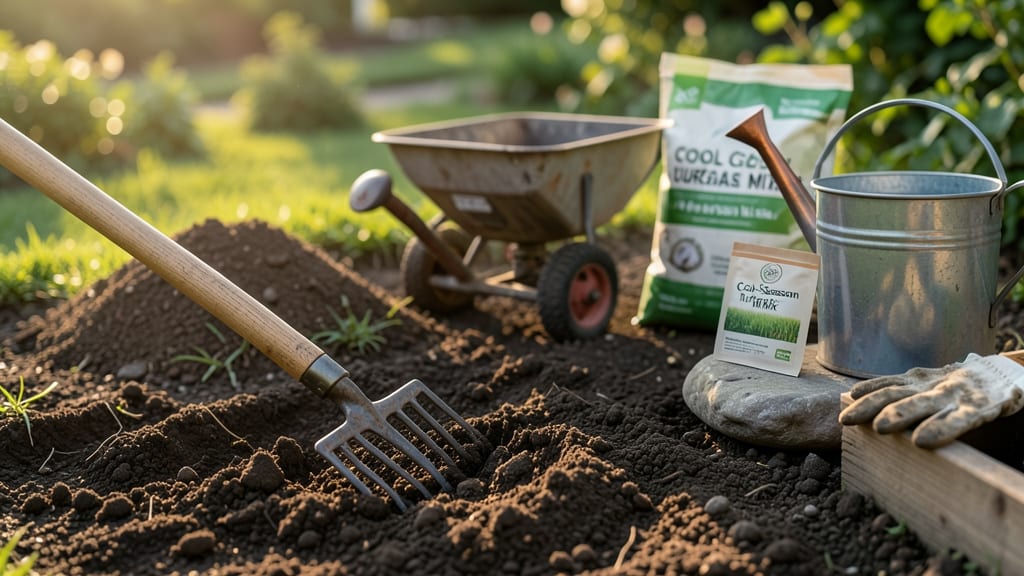
Timing your grass seed planting in Washington State can mean the difference between a lush, green lawn and a frustrating patchwork of dirt.
With USDA zones ranging from 5b to 9a, the Pacific Northwest’s unpredictable weather throws a curveball—too early, and frost zaps your efforts; too late, and summer heat dries out your seeds before they take root.
I’ve learned the hard way that March–April is your golden window for most of the state, but Eastern WA’s cooler climate (like Spokane) plays by slightly different rules than Seattle’s milder maritime air.
The key? Soil temperature—aim for 50–65°F—and a soil that’s damp but not soggy. Skip this, and you’ll end up with seeds that either rot or sprout unevenly.
What if you missed the spring window? Don’t panic—fall planting (September–October) works too, especially in Western WA’s 7b–9a zones. The trick is nailing the first frost date (usually mid-October in the west, earlier in the east) and giving your grass 6–8 weeks to establish roots before winter sets in.
Whether you’re seeding a new lawn or patching bare spots, I’ll walk you through the exact steps to time it right—no guesswork, just green results. Let’s get your lawn off to the best start.
Best months to plant grass seed in washington by climate zone
Washington State’s diverse climate means one planting window doesn’t fit all. The Pacific Northwest’s coastal regions (like Seattle) have milder, wetter springs, while Eastern WA’s inland areas (like Spokane) experience hotter, drier summers.
Even high-altitude zones (like the Cascades) shift timing by weeks. Let’s break down the ideal planting months for each zone to maximize germination success.
For Western Washington (USDA Zones 7b–9a), the best time to plant is March through early May. The soil warms steadily, and spring rains provide natural moisture. Fall planting (September–October) also works here, as cooler temps reduce weed competition.
In contrast, Eastern Washington (Zones 5b–6b) should plant in late April to early June to avoid early summer drought, with a fall window of August–September for cooler, moister conditions.
High-altitude regions (above 3,000 ft) like the Cascade foothills have a shorter growing season, so focus on late April to early June for spring planting. Fall planting here is trickier due to earlier frosts, but September can work if soil temps stay above 50°F. Always check your last frost date—planting too early risks seed rot, while waiting too long means weed takeover.
| Climate Zone | Best Spring Planting | Best Fall Planting | Key Considerations |
|---|---|---|---|
| Western WA (Seattle, Olympia) | March–Early May | September–October | Cooler soils; rely on spring rains |
| Eastern WA (Spokane, Yakima) | Late April–Early June | August–September | Hot/dry summers; irrigate heavily |
| High Altitude (Cascades) | Late April–Early June | September (limited window) | Soil stays cold; use frost blankets |
Spring planting offers longer daylight hours for seedling growth, but fall planting (4–6 weeks before first frost) gives grass a head start before winter. In Western WA, September is ideal—soil is still warm, and weeds are less aggressive.
Meanwhile, Eastern WA’s fall window closes earlier due to drier conditions, so aim for late August to avoid drought stress.
If you’re in a transition zone (like Tri-Cities or Bellingham), split your seed: plant half in spring and half in fall for a thicker, more resilient lawn.
Just avoid planting in summer—the heat will bake seeds into the soil, while winter planting risks frost damage before roots establish.
Pro tip: Use a soil thermometer to confirm temps are 50–65°F for spring or 60–75°F for fall. If your soil is too cold, seeds won’t germinate; if it’s too hot, they’ll dry out. Timing is everything—don’t rush!
For urban areas like Seattle or Spokane, microclimates matter. A south-facing yard warms faster than a north-facing one, so adjust planting by 1–2 weeks accordingly. Always test your soil’s drainage—compacted or waterlogged soil will drown seeds before they sprout.
Remember: Cool-season grasses (like Kentucky Bluegrass or Fescue) dominate WA lawns, so they thrive in spring and fall. Warm-season grasses (like Bermuda) aren’t ideal here—they struggle with WA’s cool summers. Stick to native or adapted varieties for the best results.
Once you’ve picked your planting window, prep your soil by raking out debris, leveling low spots, and adding compost for nutrients. Then, water deeply before seeding to settle the soil and create a moist environment for germination. Consistency is key—patchy watering leads to uneven growth.
🌱
Soil temperature and moisture requirements for washington grass seed success
Washington State’s diverse climates mean your grass seed’s success hinges on two critical factors: soil temperature and moisture balance. Cool-season grasses like Kentucky Bluegrass and Fescue thrive when soil temps hit 50–65°F in spring or 60–75°F in fall.
Warmer soil speeds germination, but too much heat can stress young seedlings.
Moisture is equally vital—consistent dampness keeps seeds from drying out, but soggy soil invites fungal diseases like brown patch. Aim for 1–1.5 inches of water weekly, adjusting for rain. In Western WA’s wetter zones, supplemental watering may not be needed, while Eastern WA’s drier areas often require irrigation.
🌱
| Requirement | Washington Specification |
|---|---|
| Spring Soil Temp | 50–65°F (ideal for germination) |
| Fall Soil Temp | 60–75°F (avoid temps below 50°F) |
| Watering Frequency | Daily (first 2 weeks), then 2–3x/week |
| Western WA Rainfall | Natural rain often suffices; monitor soil moisture |
| Eastern WA Irrigation | Critical in dry months; use drip systems |
| Soil pH Ideal Range | 6.0–7.0 (test and amend if needed) |
To test soil moisture, dig 1–2 inches deep—it should feel like a damp sponge, not muddy. Use a moisture meter for precision, especially in sandy soils that dry out faster.
In high-altitude areas like Mount Rainier’s foothills, cooler temps delay germination, so start seeds indoors or use a seedling heat mat.
Overwatering is a common mistake—avoid puddles, which suffocate roots. Instead, water early morning to let soil dry slightly by evening. In fall planting, reduce watering as temps drop to prevent rot. Mulch lightly with straw to retain moisture without smothering seeds.
💧
If your soil feels too cold (below 50°F), wait or use a black plastic mulch to warm it faster. For moisture challenges, group plants by water needs—drought-tolerant tall fescue mixes well with moisture-loving Kentucky Bluegrass.
Always prioritize consistency over quantity; young grass roots need steady hydration to establish deep.