
Plants
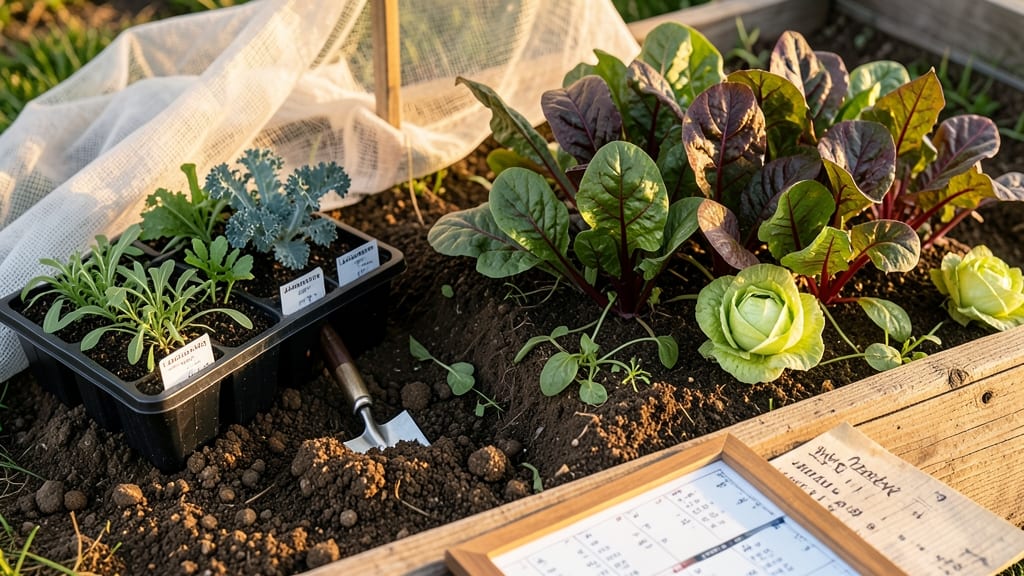
Timing your fall planting of leafy greens 🥬 is the secret to a garden full of crisp, flavorful harvests before winter hits. If you plant too early, your greens might bolt and go to seed, while planting too late risks frost damage before they mature.
The key lies in understanding your local climate and working with it—not against it—to extend your growing season.
For most gardeners in Zone 6a, the sweet spot is 4-6 weeks before your first frost, typically landing in early to mid-September. But here's the game-changer: even within the same zone, microclimates can shift your ideal window by weeks.
A sheltered spot might let you plant later, while an exposed area could mean starting earlier.
I’ll show you exactly how to pinpoint the perfect window for your location, plus which cold-hardy varieties like kale and spinach will reward you with the longest harvests. With the right timing and a few simple tricks, you can enjoy fresh greens well into winter—no matter where you garden.
Ready to transform your fall garden into a leafy green powerhouse? Let’s dive into the strategies that will keep your plants thriving until the snow flies.
Fall planting windows for greens by USDA hardiness zones
Timing your fall greens correctly means the difference between a bountiful harvest and a bitter disappointment. Most leafy greens thrive when planted 4–6 weeks before your first frost date, but this window shifts dramatically across USDA hardiness zones.
In Zone 5, for example, you’ll plant by mid-August, while Zone 9 gardeners can sow until November. Let’s break it down by zone to avoid bolting or frost damage.
Your local frost dates are your planting deadlines. Check the National Weather Service or Old Farmer’s Almanac for your area’s first frost date, then count backward. For instance, if frost hits November 15, plant spinach or kale by October 1 to harvest before winter sets in.
Pro tip: Slow-bolting varieties like 'Winterbor' kale can handle slightly later plantings.
Here’s how to adjust for microclimates. Urban gardens in concrete jungles often cool faster than rural areas, so plant 1–2 weeks earlier if your space gets chilly drafts.
Conversely, south-facing beds or greenhouse-like conditions can extend your window by 2–3 weeks. Always test your soil first—cool-season crops prefer 60–65°F soil for germination.
🌱
If you’re in Zone 5 or 6, aim for September plantings—this gives greens 6–8 weeks to mature before winter.
For Zone 7–10, you can push it to October or November, but watch for light frosts, which can sweeten greens like kale and collards. Succession planting every 2 weeks ensures a steady supply until frost.
Soil temperature matters just as much as air temperature. Use a soil thermometer—greens need 40–70°F soil to germinate. If your soil is below 50°F, wait a week or use black plastic mulch to warm it up. Cold soil slows germination, leading to patchy growth.
Pro tip: Seed directly into warm soil for faster results than transplanting.
For urban gardeners, containers warm up faster than in-ground beds. Plant in black pots or use heat-absorbing fabric to extend your window by 10–14 days.
Just be ready to move pots indoors if a hard freeze hits. Row covers can also add 4–6°F protection, letting you plant 2 weeks later without risk.
🌿
Finally, don’t forget post-planting care. After sowing, keep soil consistently moist (not soggy) and mulch with straw or leaves to insulate roots. Thin seedlings to 4–6 inches apart to prevent disease.
In Zone 3–4, consider cold frames to harvest greens until December. With the right timing, your fall garden can be just as productive as spring!
Fall planting windows for greens by USDA hardiness zones
Timing your fall greens depends on your USDA hardiness zone and last frost date. In cooler zones (4-6), start planting 6-8 weeks before frost—usually late summer to early fall.
Warmer zones (7-10) can extend planting until November or December, but avoid planting too late, or frost will damage tender greens.
For example, in Zone 5, aim for late August to early September. In Zone 8, you can plant until mid-November. Check your local frost dates—this is your planting deadline. Miss it, and your greens won’t mature before winter.
Here’s a quick reference for zone-specific planting windows and harvest timelines to avoid bolting or frost damage:
| Zone | Planting Window | Harvest Time | Notes |
|---|---|---|---|
| 3-4 | Early August–mid-September | October–November | Use cold frames for late harvests |
| 5-6 | Late August–early October | September–December | Row covers extend season |
| 7-8 | September–November | October–January | Plant successionally |
| 9-10 | October–December | November–March | Light frost tolerance |
Microclimates matter! A south-facing bed warms up faster, giving you 2-3 extra weeks of planting. Urban gardeners with concrete or pavement nearby may need to adjust—these areas freeze faster. Test your soil temperature: greens thrive when soil is 40–70°F.
For slow-bolting varieties like kale or spinach, push your planting window slightly later. These greens handle cooler temps better than lettuce or arugula, which bolt faster in heat. Always plant 4–6 weeks before frost for a reliable harvest.
Pro tip: Use a planting calendar (like the Old Farmer’s Almanac) to track your local frost dates. Adjust for high-altitude gardens—they freeze earlier than valley gardens. Start with hardy varieties like ‘Winterbor’ kale or ‘Bloomsdale’ spinach for foolproof results.
🌱