
Plants
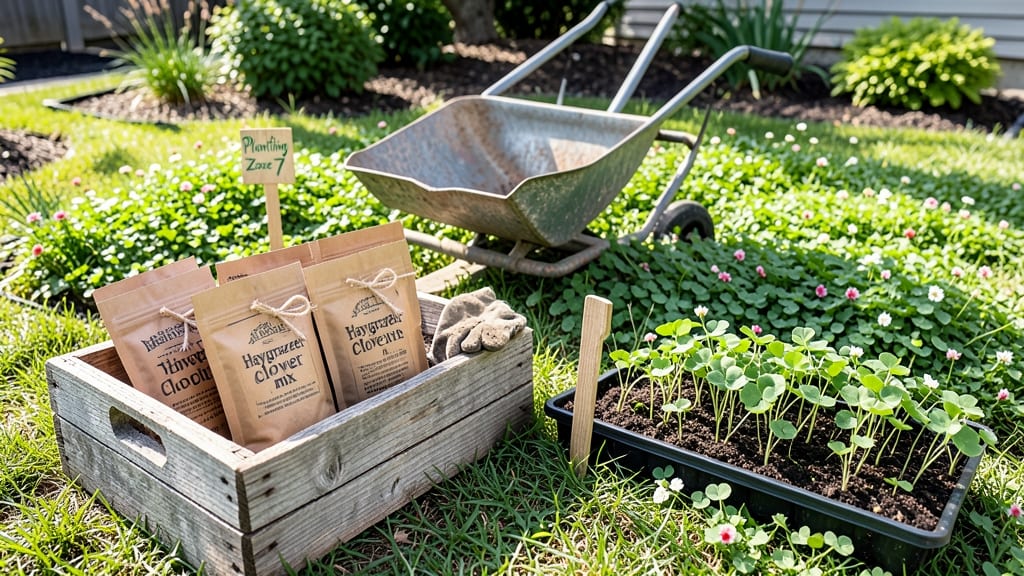
Planting Haygrazer Clover in Oklahoma at the wrong time could mean struggling with frost damage or waiting months for your forage to thrive. The key to success lies in understanding Oklahoma’s 6a-8a climate and planting during the optimal frost-free window—when soil temperatures hit 60°F and stay there.
For most of Oklahoma, that means early spring (March-April) or late summer (August-September), but timing varies by region. Whether you're a small-scale farmer or a home gardener, getting this right ensures your 🌱 Haygrazer Clover establishes strong roots before Oklahoma’s unpredictable weather strikes.
In this guide, I’ll break down the exact planting windows for your area, soil prep tips to boost germination, and why some years favor fall planting over spring. You’ll learn how to avoid common mistakes that waste seed and money—and how to maximize your forage yield from May through October.
Let’s get your Haygrazer Clover off to the best possible start with a strategy tailored to Oklahoma’s unique growing conditions.
Oklahoma’s frost-free window for Haygrazer planting: exact dates by region
Oklahoma’s diverse climate means frost-free windows vary dramatically from the Panhandle to the Southeast. For Haygrazer clover, timing your planting to avoid late frosts is critical—especially since seedlings can’t tolerate temperatures below 28°F.
The USDA zones 6a-8a across Oklahoma create 3 distinct planting windows, each with unique risks and rewards.
According to Oklahoma State University data, the average last frost date shifts from March 15 in northern zones to March 1 in southern regions. Meanwhile, the first frost arrives as early as November 15 in the Panhandle.
These dates define your safe planting window, but local microclimates can push them 1-2 weeks earlier or later.
To maximize success, I recommend planting Haygrazer either in early spring (after your last frost) or late summer (before the first frost). Both strategies work, but each comes with trade-offs—like spring’s risk of late frosts versus fall’s shorter growing season before winter dormancy.
Here’s how to align your planting with Oklahoma’s regional frost-free windows, including historical data and practical adjustments for your specific area:
| Region | USDA Zone | Last Frost Date | First Frost Date | Spring Planting Window | Fall Planting Window |
|---|---|---|---|---|---|
| Panhandle (e.g., Amarillo) | 6a | March 15 | November 15 | April 1-15 (after frost risk) | August 15-Sept 1 (6-8 weeks before frost) |
| Central Oklahoma (e.g., Oklahoma City) | 7a | March 1 | November 15 | March 15-April 15 (soil warms faster) | August 1-Sept 15 (longer growing season) |
| Southeast (e.g., Tulsa) | 8a | February 28 | November 1 | March 1-April 1 (earlier soil warmth) | July 15-Sept 1 (extended fall warmth) |
*Adjust dates 1-2 weeks based on local microclimates or Oklahoma Mesonet forecasts.
For example, if you’re in Zone 7a like Norman, aim to plant Haygrazer between March 15 and April 15 for spring. In fall, the window narrows to August 15-September 15—any later, and the cooling nights slow germination before winter sets in.
Pro tip: Use the Oklahoma Mesonet website to check real-time soil temperatures and frost predictions for your county. Their 10-day forecasts can help you adjust your planting date if an unexpected cold snap is coming.
I’ve used this tool to shift my own planting 2 weeks later in years when early spring stayed unusually cold.
Another key factor is soil preparation. Oklahoma’s clay-heavy soils in the southeast versus the sandy loams of the Panhandle can affect how quickly the ground warms.
In clay soils, wait until the soil reaches 60°F at 2 inches deep—this can take 1-2 weeks longer than sandy soils after the last frost.
If you’re planting in fall, focus on getting seeds in the ground 6-8 weeks before your first frost. This gives Haygrazer time to establish roots before winter dormancy.
In southern Oklahoma, where first frosts arrive as late as November 1, you might even squeeze in a late-September planting and still see some growth before winter.
For northern Oklahoma, where frosts can arrive as early as October 15, stick to the August 15 deadline. After that, the cooling nights and shorter days will stall germination, leaving you with patchy, slow-growing stands—or worse, failed germination.
To hedge your bets, I recommend planting both spring and fall if your goal is year-round forage. This double-planting strategy ensures you always have active growth, even if one season underperforms due to unpredictable weather. Just be prepared for more upfront work and seed costs.
Finally, don’t overlook frost protection if you’re planting
Soil temperature requirements for Haygrazer: when to plant for maximum germination
Planting Haygrazer clover in Oklahoma hinges on one critical factor: soil temperature. This hardy forage thrives when soil reaches 50-60°F, with 60°F being ideal for consistent germination. Cold soil slows growth, while soil too warm can cause uneven sprouting or even seed rot.
Oklahoma’s variable climate makes soil temperature monitoring essential. Unlike air temperature, soil warms gradually—especially in northern Oklahoma—so don’t rely on calendar dates alone. For example, Panhandle regions (Zone 6a) may need to wait until late April, while Southeast Oklahoma (Zone 8a) can plant as early as mid-March.
Soil Temperature Rating for Haygrazer Germination
*Use a soil thermometer (inserted 2" deep) to check temps daily before planting.
To track soil temperature accurately, invest in a soil thermometer (available for under $15). Insert it 2 inches deep—the depth where Haygrazer seeds will germinate—and check readings early morning when soil is coolest.
Oklahoma Mesonet provides free, real-time soil temperature data for 120+ locations across the state, making it easy to verify conditions before seeding.
If your soil runs too cold, use black plastic mulch to warm it faster. Lay the plastic down 1-2 weeks before planting to raise soil temps by 5-10°F. Conversely, if soil overheats above 65°F, provide afternoon shade with shade cloth to prevent seed stress.
Pro tip: Mix Haygrazer seeds with sand (1:1 ratio) before planting. This helps distribute seeds evenly and improves soil contact—critical for consistent germination in Oklahoma’s clay-heavy soils. Aim for a light, firm seedbed (like a well-trodden garden path) to ensure seeds make proper contact with warm soil.
Remember, patience pays off with Haygrazer. Rushing planting because of air temperature can lead to poor stands or even total failure. Wait for that 50-60°F soil, and you’ll reward yourself with a vibrant, high-yielding forage stand by summer. 🌱