
Plants
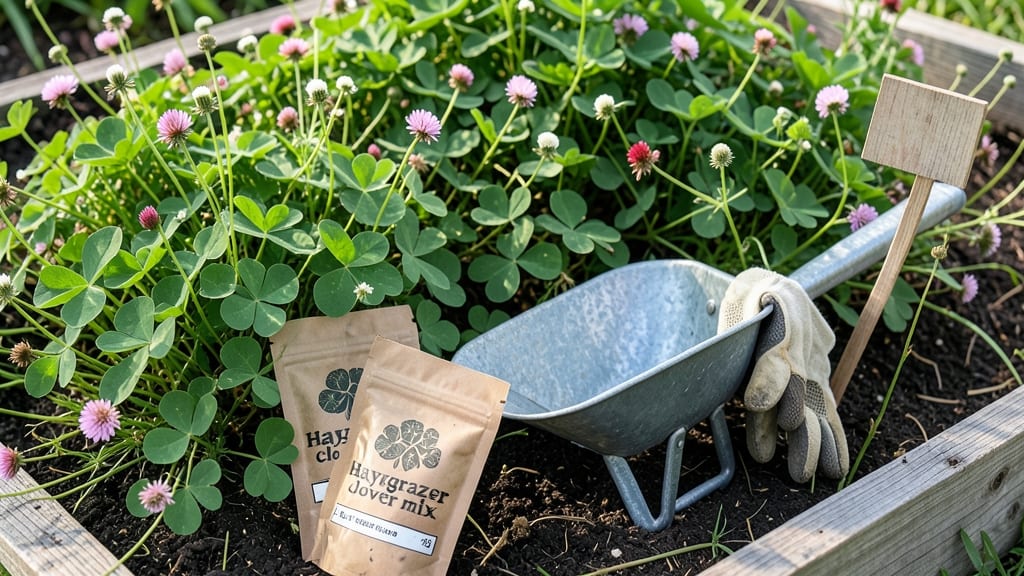
Planting Haygrazer clover in Texas isn’t just about throwing seed into the ground—it’s about outsmarting the heat and frost to get a lush, long-lasting pasture. Miss the window, and you’ll either battle bolting from early warmth or watch your seedlings freeze before they take root.
The key? Timing it right based on your region’s last frost date, which can vary by over a month from North to South Texas.
If you’ve ever stared at a seed packet wondering, “Why does it say ‘plant now’ when my neighbor’s field is still brown?”—you’re not alone. The answer lies in understanding your local frost patterns and soil temps.
For most of Texas (zones 8a-10b), late winter to early spring (February–March) or late summer to early fall (August–September) are your best bets—but North Texas ranchers should wait until after March 15, while South Texas growers can start as early as February.
What makes Haygrazer stand out is its drought tolerance and ability to thrive in tough conditions, but even the hardiest clover needs the right start.
Whether you’re overseeding an existing lawn or planting fresh, we’ll break down the exact steps to avoid common pitfalls—like planting too deep or ignoring soil moisture—so your clover grows thick and stays green when others bolt.
Ready to turn your pasture into a year-round grazing goldmine? Let’s dive into the frost-date formula that’ll have your Haygrazer clover 🌾 flourishing exactly when you need it—no guesswork, just results.
Texas frost-date formula for planting Haygrazer clover
Planting Haygrazer clover in Texas requires precision—get the timing wrong, and you’ll either trigger premature bolting or risk seedling loss from late frosts. The key lies in understanding your USDA hardiness zone and soil temperature thresholds.
For most of Texas (zones 8a-10b), aim to plant when daytime highs consistently stay above 60°F and nighttime lows don’t dip below 50°F. This usually falls in late February to early March for spring planting.
But here’s the catch: Texas isn’t one-size-fits-all. North Texas (like Lubbock) has earlier frost risks than South Texas (like the Rio Grande Valley). I’ll show you how to calculate your exact window using a simple frost-date formula—no guesswork involved.
First, check your average last frost date (e.g., February 15 in North Texas, January 1 in South Texas), then count back 4-6 weeks to prepare your soil.
Why the delay? Haygrazer needs warm soil (at least 55°F) to germinate properly. Planting too early in cold soil leads to poor seedling vigor and slow establishment. Pro tip: Use a soil thermometer to confirm temps before seeding—this small tool saves headaches later.
For fall planting, the window narrows to late August to early September. This timing ensures seedlings establish before winter chills set in. In Central Texas, where first frosts often hit by mid-November, aim to plant by September 15 at the latest.
Now, let’s break down the critical factors you need to nail: your USDA zone, soil temperature, and moisture levels. Miss any of these, and you’re flirting with failure. Below is your frost-date cheat sheet to lock in the perfect planting window.
| Factor | Texas North (Zones 8a-8b) | Texas Central (Zones 8b-9a) | Texas South (Zones 9a-10b) |
|---|---|---|---|
| Last Frost Date | February 15 | February 1 | January 1 |
| Ideal Planting Window | March 1-15 | February 28 - March 15 | February 15 - March 1 |
| Soil Temp Threshold | 55°F+ | 55°F+ | 55°F+ |
| Fall Planting Window | August 20 - September 10 | August 25 - September 15 | September 1 - 15 |
| Key Risk | Late frosts | Heat spikes | Hurricane season |
Now that you’ve got your planting window locked in, let’s talk soil prep. Haygrazer thrives in well-draining soil with a pH between 6.0 and 7.5. Before planting, test your soil and amend it with compost or aged manure to improve fertility.
I recommend working in 2-3 inches of organic matter at least 2 weeks before seeding—this gives microbes time to break it down.
For overseeding existing lawns, mow the grass short (to 1 inch) and lightly rake the soil to create a seedbed. This step is critical—Haygrazer needs good seed-to-soil contact to germinate. After planting, use a light mulch (like straw) to retain moisture and protect seedlings from crusting.
One final tip: If you’re in a drought-prone area (like West Texas), consider using a drip irrigation system to keep soil consistently moist during germination. Haygrazer’s roots are shallow at first, so even moisture is non-negotiable for the first 3-4 weeks after planting.
Mastering the frost-date formula isn’t just about memorizing dates—it’s about reading your local climate. Pay attention to weekly weather forecasts and adjust your planting timeline if unseasonable cold snaps are predicted. With this approach, you’ll avoid the two biggest pitfalls: bolting and seedling loss.
Texas frost-date formula for planting Haygrazer clover
Planting Haygrazer clover in Texas requires precision—miss the frost-date window, and you risk either premature bolting or stunted growth from cold snaps. The key is aligning your planting with USDA Zone 8a-10b frost averages and soil temperature thresholds of 55°F+ for germination.
First, identify your last frost date. North Texas (e.g., Lubbock) averages February 15, while South Texas (e.g., Brownsville) sees frost by January 1. Plant 4-6 weeks before the last frost for spring growth or August-September for fall harvests.
| Region | Last Frost | Ideal Planting Window | Soil Temp |
|---|---|---|---|
| North Texas (Lubbock) | Feb 15 | Feb 1 - Mar 15 | 55°F+ |
| Central Texas (Austin) | Feb 1 | Jan 15 - Feb 28 | 55°F+ |
| South Texas (Brownsville) | Jan 1 | Dec 15 - Jan 31 | 60°F+ |
For soil prep, test pH (ideal: 6.0-7.0) and amend with lime or sulfur if needed. Loosen top 6 inches of soil and mix in compost for organic matter. Avoid planting in waterlogged areas—Haygrazer needs well-draining soil to prevent rot.
Use a seed drill or broadcast seeds at 10-15 lbs per acre. Lightly rake soil to 1/4-inch depth for contact with moisture. Water immediately to 1 inch deep and maintain consistent moisture until germination (7-14 days).
After planting, monitor soil temperatures with a probe. If temps drop below 50°F, cover seeds with straw mulch to insulate. In heatwave-prone areas (e.g., West Texas), shade newly planted seeds with row covers to prevent bolting from sudden warmth.
Once established, Haygrazer thrives with minimal care—just mow at 3-4 inches to encourage regrowth. In drought years, deep water every 10-14 days to preserve roots. With the right timing, you’ll see lush forage by late spring or fall.