
Plants
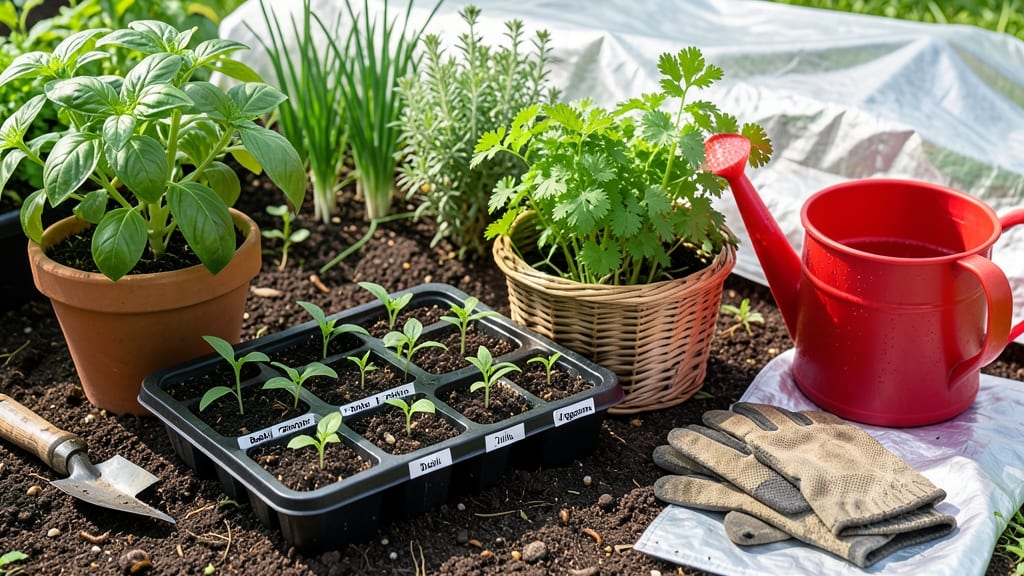
If you’ve ever watched your herb seeds sit in cold soil for weeks, waiting for the perfect moment to sprout, you know when to plant herbs in Minnesota isn’t just about checking a calendar—it’s about reading your climate like a map.
With frost dates that can swing from late April to early June, and hardy varieties that thrive in zones 4a-5b, timing is everything. Get it wrong, and you might end up with leggy, weak plants that bolt before they even reach harvest size.
Here’s the good news: Minnesota’s growing season is shorter than most, but that doesn’t mean your 🌿 herbs have to be.
Whether you’re sowing cold-hardy parsley in early spring or tucking in tender basil just before the first frost, knowing the right window can mean the difference between a kitchen garden bursting with flavor and a season of disappointment.
I’ll walk you through the exact frost-free timeline for your favorite herbs—and how to adjust for Minnesota’s unpredictable weather.
From soil prep to post-planting care, we’ll cover everything you need to turn your herb dreams into a thriving garden. No more guessing games or wasted seeds—just a clear, step-by-step guide tailored to Minnesota’s unique climate. Let’s get those herbs growing like they’re meant to.
Ready to dive in? You’ll learn which herbs to start indoors, when to direct-sow for a fall harvest, and how to protect your plants from late frosts that can sneak up even in June.
By the end, you’ll have a planting schedule that works for your specific zone—and a garden that keeps giving all season long.
Minnesota herb planting timeline by frost dates and Hardiness Zones
Minnesota’s USDA Hardiness Zones 3-5 create unique challenges for herb gardeners, where last frost dates can vary by 1-2 weeks between the Twin Cities and northern regions like Duluth. Knowing your specific frost-free window ensures your basil doesn’t bolt in July or your parsley freezes before winter.
Let’s break down the optimal planting windows for both spring and fall planting.
Most Minnesota gardeners aim for two planting windows: early spring (after last frost) and late summer (for fall harvest). The Twin Cities area typically sees its last frost around May 15, while northern MN can experience frost until June 1.
For tender herbs like basil and cilantro, this means starting seeds indoors 6-8 weeks before your expected last frost date.
Cold-hardy herbs like thyme, oregano, and chives can handle Minnesota’s early spring soils as soon as the ground thaws (usually late April). These perennial herbs often survive winter with proper mulching and benefit from fall planting for early spring harvests.
The key is understanding which herbs thrive in cool-season vs. warm-season conditions.
🌱
| Herb Type | Spring Planting Window | Fall Planting Window | Cold Hardiness | Minnesota Notes |
|---|---|---|---|---|
| Cold-Hardy Perennials | Late April (direct sow) | Late August (6-8 weeks before first frost) | Zones 3-5 | Thyme, oregano, sage, chives. Mulch heavily for winter. |
| Cool-Season Annuals | Early May (after frost) | Mid-July (for fall harvest) | Zones 4-5 | Parsley, cilantro, dill. Succession plant every 2 weeks. |
| Warm-Season Tender | Indoors March 1 (transplant May 15) | Not recommended | Zones 5+ (with protection) | Basil, mint, lemongrass. Use row covers or containers. |
| Biennial Herbs | Late May (after frost) | Late July (for overwintering) | Zones 3-5 | Chives, lovage. Harvest leaves in first year, flowers second. |
For northern Minnesota (Zones 3-4), extend your growing season by using black plastic mulch or cold frames to warm soil faster in spring.
In the Twin Cities area, focus on succession planting every 2 weeks from May through July to ensure a continuous supply of fresh herbs. Basil, for example, bolts quickly in Minnesota’s heat—so plant it late May and harvest aggressively to delay flowering.
One common mistake is planting warm-season herbs like basil too early. These plants won’t germinate in cold soil and may rot. Always check soil temperature with a soil thermometer—herbs need soil at least 50°F (10°C) to sprout.
For cool-season herbs, direct sow as soon as soil is workable (usually late April), even if frost is still possible.
Minnesota’s fall planting window runs from late July to early August, giving herbs enough time to establish roots before winter. Parsley and chives are excellent choices for fall, as they’ll produce tender leaves in early spring.
Use row covers or straw mulch to protect young plants from early October frosts, which can damage emerging seedlings.
🌿
Pro tip: Bookmark your local MN State University Extension frost date maps or use the Old Farmer’s Almanac for your specific county. These resources provide hyper-local frost predictions that can shift your planting schedule by 1-2 weeks.
For example, Duluth’s last frost often occurs 2 weeks later than the Twin Cities, giving northern gardeners a slightly longer window for direct-sown herbs.
Finally, don’t overlook container gardening for tender herbs. Moving basil and mint
Top 5 herbs for Minnesota gardens and their planting secrets
Minnesota’s climate can be tricky for herbs, but some varieties thrive in our USDA Zones 3-5. These top 5 cold-hardy herbs will reward you with flavorful harvests if planted at the right time and cared for properly. Let’s dive into their secrets for success in your garden.
Start with parsley, a biennial herb that handles Minnesota’s late frosts like a champ. It’s one of the few herbs that can survive light frost and even tastes sweeter after a cold snap.
Plant parsley seeds directly outdoors in early spring (April) or late summer (August) for a fall harvest.
Cilantro is another great choice, but it bolts quickly in Minnesota’s heat. To extend its harvest, plant two batches: one in early spring (April) and another in late summer (July)partial shade during hot afternoons to prevent bolting.
For a hardy perennial, thyme is a must-have. It tolerates drought and cold, making it perfect for Minnesota gardens. Plant thyme in early spring (May) or early fall (September) in well-draining soil. Once established, it’ll come back year after year with minimal care.
🌿
🌱 Top 5 Herbs for Minnesota Gardens
- Parsley – Cold-hardy, plant in April or August; survives light frost.
- Cilantro – Quick-growing, plant in April or July; avoid bolting with shade.
- Thyme – Perennial, plant in May or September; drought-tolerant.
- Chives – Cold-resistant, plant in early spring or fall; regrows after cutting.
- Mint – Aggressive grower, plant in May or June; contain in pots.
Chives are another cold-tolerant herb that multiplies easily. Plant them in early spring (April) or early fall (September) for a perennial harvest. They’re great for edging garden beds or adding to containers. Plus, they’re deer-resistant, which is a bonus in rural areas.
Lastly, mint is a powerhouse but can spread aggressively. To keep it in check, plant it in containers in late spring (May)moist soil and partial shade, making it ideal for Minnesota’s humid summers. Harvest leaves as needed to encourage bushier growth.
With these Minnesota-friendly herbs, you’ll have fresh flavors all season long—just