
Plants
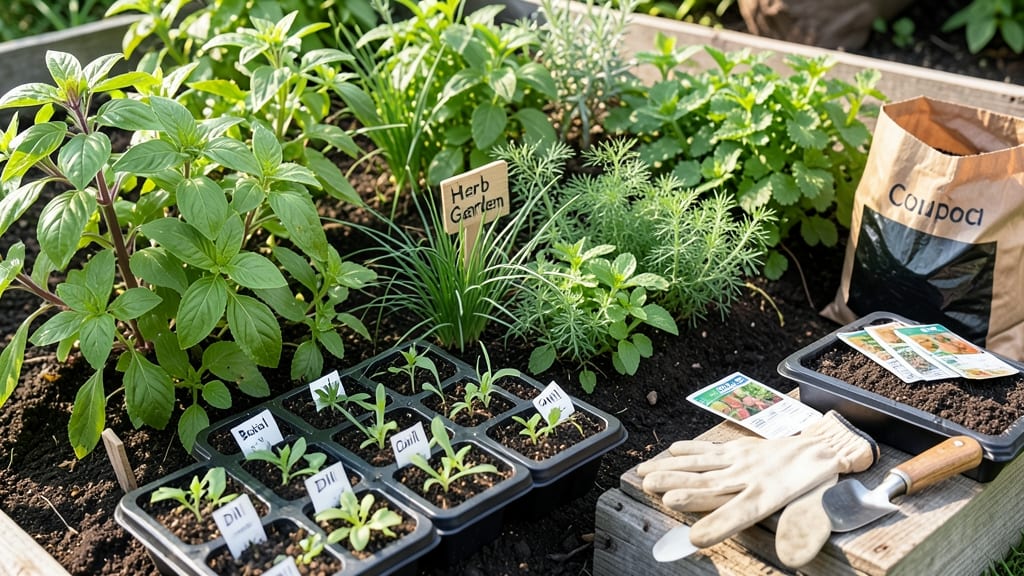
Timing your herb planting in Missouri can make the difference between a bountiful kitchen garden and a sad, wilted disappointment. The 5b-6b climate zones here mean you’ve got just 165 frost-free days to work with—so getting those seeds in the ground at the right moment is everything.
I’ve spent years growing 🌿 basil, parsley, and cilantro in Missouri, and trust me, there’s a science to it. Plant too early, and a late frost will turn your tender herbs into confetti.
Wait too long, and you’ll miss out on months of fresh flavors. The secret? Knowing exactly when to start seeds indoors or transplant those young plants outdoors—without guessing.
Whether you’re in St. Louis or Kansas City, the ideal planting window for most herbs opens in early spring (March-April) and again in early fall (August-September). But here’s the kicker: soil temperature matters just as much as calendar dates.
We’ll break down the exact steps to time your planting perfectly—so you can harvest fresh herbs from April through October without a hitch.
Ready to grow herbs that thrive all season? Let’s dive into the zone-specific timing, soil prep tricks, and even how to extend your harvest with simple techniques. Your future meals (and flavor) will thank you.
Missouri herb planting calendar by USDA Zone (5a-6b)
Missouri spans USDA Zones 5a-6b, meaning your herb planting timeline should account for last frost dates that range from early April in northern regions to mid-April in southern areas. Zone 5a gardeners face the highest frost risk, while Zone 6b areas enjoy slightly longer growing seasons.
Always check your local average last frost date—St. Louis (Zone 6a) typically hits April 15, while Kansas City (Zone 6b) averages April 20.
For annual herbs like basil and cilantro, wait until soil temperatures reach 50°F—use a soil thermometer to confirm. Perennial herbs such as rosemary and thyme, however, can handle cooler soils and may even thrive when planted in early spring (March) or late fall (September).
This dual-season approach maximizes your harvest potential.
Missouri’s first frost arrives around October 15, but tender herbs like dill and parsley often bolt before then. To extend your season, plant cool-season varieties in late summer (August) for a fall harvest, or use row covers to protect delicate plants.
Missouri Herb Planting Calendar
| Zone | Last Frost | Ideal Planting Window | Herbs to Start Indoors | Herbs to Transplant Outdoors |
|---|---|---|---|---|
| 5a (North MO) | April 10-15 | March 15-April 1 (indoors) / April 20-May 10 (outdoors) | Basil, Cilantro, Dill | Rosemary, Thyme, Oregano |
| 5b (Central MO) | April 15 | March 1-April 15 (indoors) / April 10-May 15 (outdoors) | Parsley, Chives, Mint | Lavender, Sage, Tarragon |
| 6a (St. Louis) | April 15-20 | February 15-April 1 (indoors) / April 1-May 20 (outdoors) | Basil, Cilantro, Chervil | Rosemary, Thyme, Bay Laurel |
| 6b (South MO) | April 20-25 | February 1-April 1 (indoors) / March 20-May 25 (outdoors) | Dill, Parsley, Sage | Lavender, Oregano, Tarragon |
If you’re starting seeds indoors, begin 6-8 weeks before your last frost date to ensure healthy transplants.
For example, St. Louis gardeners should sow basil and cilantro indoors by February 15, while northern Missouri gardeners wait until March 1. Perennial herbs like rosemary and thyme can handle cooler soils, so transplant them outdoors as early as March 15 in Zone 6b.
For fall planting, aim to sow seeds or transplant herbs by August 15 to allow enough time for growth before frost. Cool-season herbs like parsley and chives thrive in Missouri’s fall weather, while tender varieties like basil should be harvested before temperatures drop below 40°F at night.
Use mulch to insulate roots and extend the season.
Missouri’s microclimates can vary dramatically—even within a city like St. Louis, urban areas may warm up 2-3 weeks earlier than rural zones. Monitor your garden’s specific conditions by checking local weather stations or using a soil thermometer to confirm when it’s safe to plant.
A general rule: Wait until nighttime temperatures stay above 50°F consistently.
Pro tip: Container gardening gives you flexibility to move herbs to warmer microclimates (like near a south-facing wall) when frost threatens. Cold-hardy herbs such as thyme, oregano, and mint can even overwinter in Missouri with proper mulching.
For tender varieties, bring pots indoors before frost or use frost cloth for protection.
Missouri’s short growing season (about 165 frost-free days) means timing is everything. By following this zone-specific calendar, you’ll avoid common pitfalls like frost damage or bolting and enjoy a longer, more productive herb harvest all season long.
Remember: Patience pays off. Rushing to plant too early can stunt growth, while waiting too long may leave you with a shorter harvest window. Adjust your schedule based on weather forecasts and your garden’s
Best herbs to plant in Missouri spring vs. fall (with success tips)
Missouri’s two distinct planting seasons—spring and fall—offer perfect windows for growing herbs that thrive in our climate. Spring planting (March–April) suits tender annuals like basil and cilantro, while fall planting (August–September) extends harvests for hardy herbs like thyme and parsley before winter.
The key? Matching your herb’s cold tolerance to Missouri’s frost dates.
For spring planting, focus on warm-season herbs that need soil temperatures above 50°F.
Start basil, oregano, and dill indoors in February, then transplant after the last frost (typically mid-April). Cool-season herbs like parsley and chives can handle early spring or even late fall plantings, as they tolerate light frosts.
Fall planting is your secret weapon for late-season harvests. Perennial herbs like rosemary and sage thrive when planted in August, giving roots time to establish before winter. Biennials such as chervil and tarragon also benefit from fall starts, producing lush growth the following year.
Just avoid planting tender annuals like basil after mid-August, as they won’t survive Missouri’s first frost (mid-October).
🌱 Spring Planting Pros & Cons
- Longer growing season for warm-loving herbs
- Easier soil prep (warmer temps speed up decomposition)
- Direct sowing possible for hardy annuals
- Late frosts can damage tender seedlings
- Competition from weeds in early spring
- Slower growth in cool soil
To maximize your harvest, use succession planting—sow fast-growing herbs like cilantro or bush basil every 2–3 weeks from spring to early summer. For fall crops, start parsley and dill indoors in July to transplant before September 1st.
Container gardening is another smart move: Pots let you move herbs indoors before frost or place them in sunny windows for winter greens.
Pro tip: Mulch around herb beds in fall to insulate roots and water deeply before the ground freezes. In spring, protect young plants with row covers if a late frost is forecasted.
With these strategies, you’ll enjoy fresh herbs from May through October—or even longer with proper planning! 🌿