
Plants
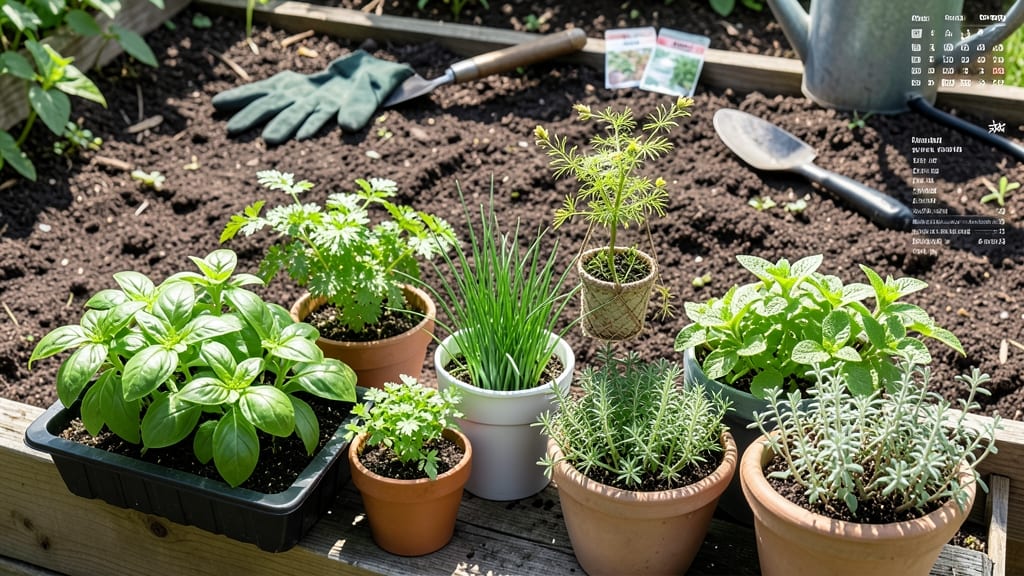
Wisconsin herb planting calendar by hardiness zone (exact months)
Wisconsin spans USDA hardiness zones 3a to 5b, meaning frost dates vary dramatically across the state.
In northern zones (3a-4a), like Superior or Wausau, the last spring frost typically arrives May 10–20, while southern zones (5a-5b), like Madison or Milwaukee, see frost-free dates by April 25–May 5. Plan accordingly—your basil won’t forgive a late freeze!
For cool-season herbs like parsley and chives, you can start seeds 4–6 weeks before your last frost date. Warm-season favorites—basil, cilantro, and dill—need soil temperatures above 50°F and should wait until after May 15 in most regions. Use a soil thermometer to confirm readiness.
Here’s your zone-specific planting timeline for both spring and fall planting windows:
| Zone | Last Frost Date | Spring Planting Window | Fall Planting Window | Best Herbs for Zone |
|---|---|---|---|---|
| 3a-4a (North) | May 10–20 | May 20–June 5 | August 15–September 10 | Parsley, chives, thyme, sage |
| 4b (Central) | May 1–10 | May 10–25 | August 1–August 15 | Cilantro, dill, basil, oregano |
| 5a-5b (South) | April 25–May 5 | April 25–May 15 | July 30–August 10 | Rosemary, basil, tarragon, mint |
If you’re starting seeds indoors, begin 6–8 weeks before your last frost date. For example, in zone 4b, that means March 1–15 for most herbs. Use grow lights to prevent leggy seedlings—herbs like basil need 12–14 hours of light daily.
For direct sowing outdoors, wait until the soil is at least 50°F and nighttime temperatures stay above 45°F.
Test soil readiness by pressing your finger 1 inch deep—if it’s dry, it’s time to plant. Cool-season herbs like parsley can handle soil temps as low as 40°F, but warm-season herbs need warmth to thrive.
Don’t forget about fall planting! Many herbs, like parsley and cilantro, can be sown 8–10 weeks before your first frost (typically late August–early September). This gives them time to establish roots before winter. Use row covers to extend the season by 2–4 weeks in fall.
Pro tip: Mark your calendar for June 1 and September 15—these are the sweet spots for transplanting most herbs in Wisconsin.
By then, the risk of frost is minimal, and soil temperatures are ideal for growth. Rosemary and thyme are exceptions—they thrive in well-draining soil and can even handle light frost if planted in late spring.
For container gardening, which is ideal for Wisconsin’s short season, start herbs 2–3 weeks earlier than in-ground plants. Containers warm up faster and can be moved to protected spots if frost threatens. Just ensure pots have drainage holes to prevent root rot—herbs hate soggy feet!
Remember: Wisconsin’s weather is unpredictable. Always have row covers or cold frames on hand for emergency frost protection. A late May freeze can still happen, so stay vigilant until June 10 in northern zones.
Best herbs to plant in Wisconsin by season (with frost tolerance guide)
Wisconsin’s growing season is short but sweet—knowing which herbs thrive in spring’s cool air and which heat up in summer makes all the difference. Some, like parsley and chives, handle light frosts, while others, like basil and cilantro, need warmth.
Let’s break it down by season so you can plan your herb garden like a pro.
Cold-hardy herbs (plant in early spring or fall) include parsley, chives, and thyme. These tolerate temperatures down to 20°F and can even survive Wisconsin winters with a thick layer of mulch. For warm-season herbs like basil, oregano, and dill, wait until after the last frost date (usually mid-May) to avoid frost damage.
🌿 Wisconsin Herb Planting Guide by Season
Best Herbs: Parsley, Chives, Thyme, Cilantro
Frost Tolerance: 20-25°F
Planting Tip: Start seeds indoors in March
Best Herbs: Basil, Oregano, Dill, Rosemary
Frost Tolerance: 30-40°F (avoid frost)
Planting Tip: Transplant after last frost (mid-May)
Best Herbs: Parsley, Chives, Sage, Thyme
Frost Tolerance: 15-20°F
Planting Tip: Sow seeds 6-8 weeks before first frost
Best Herbs: Mint, Rosemary, Thyme
Frost Tolerance: 10-25°F (with protection)
Planting Tip: Move pots indoors in winter
Extend your season with row covers or cold frames—these let you grow basil and cilantro a few weeks earlier in spring or later in fall. For example, cover your basil plants with a lightweight frost blanket to protect them from a light frost (28°F). Similarly, oregano and thyme can survive brief cold snaps if mulched properly.
If you’re unsure about frost dates, use a soil thermometer to check when soil reaches 50°F—this is the ideal temperature for planting warm-season herbs. For cool-season herbs, plant as soon as the ground is workable, even if there’s still a chance of frost.
Container gardening is another great option—it lets you move heat-loving herbs indoors when temperatures drop.
Pro tip: Keep a herb journal to track which varieties thrive in your microclimate. For instance, rosemary loves Wisconsin’s dry summers, while mint spreads aggressively—plant it in containers to control it. With the right timing and a little planning, you’ll have fresh herbs all season long!
🌱