
Plants
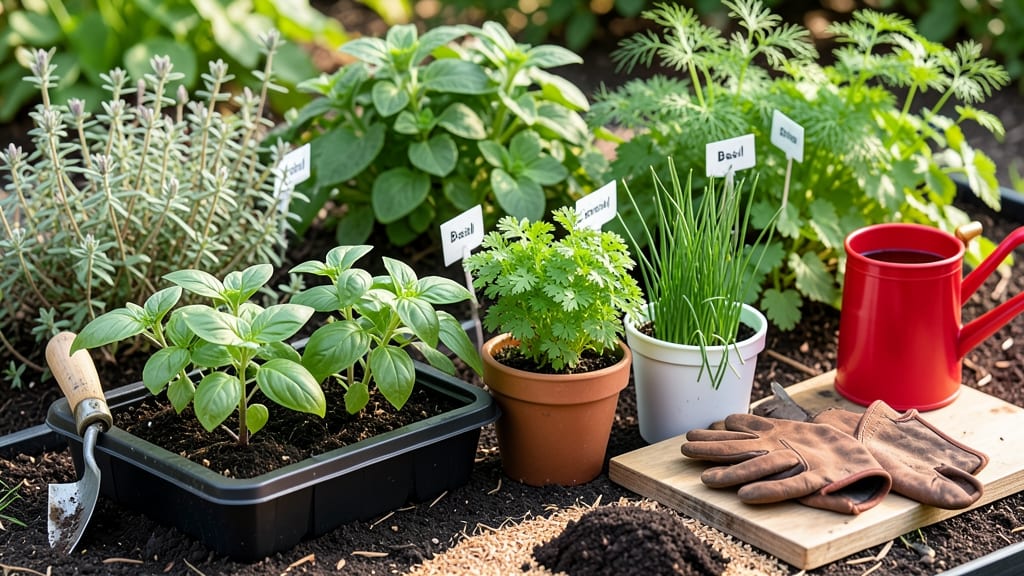
Knowing when to plant herbs in Pennsylvania can mean the difference between a thriving kitchen garden and wasted seeds. With its diverse climate zones—especially 5b-7a—timing isn’t just about the calendar; it’s about reading the land.
One wrong move, and your basil could bolt before you even taste it, or your parsley might struggle to establish roots before the first frost.
I’ve spent years growing 🌿 herbs across Pennsylvania, from the cooler hills of the Poconos to the warmer valleys near Philadelphia. The key? Planting between March 15 and May 15 for spring herbs and again from August 1 to September 15 for fall crops.
But here’s the catch: your last frost date isn’t just a number—it’s a deadline. Miss it, and you’ll regret it.
In this guide, I’ll break down the exact windows for each herb—whether you’re starting seeds indoors or sowing directly into the soil. You’ll learn how to beat Pennsylvania’s unpredictable weather, extend your harvest season, and avoid common mistakes that even experienced gardeners make. Let’s get those herbs growing strong.
Ready to turn your green thumb into a harvest of flavor? We’ll cover everything from soil prep to succession planting, so you can enjoy fresh basil, rosemary, and parsley from June through October. No more guesswork—just a garden that works as hard as you do.
Best planting months for herbs in Pennsylvania’s USDA zones 6b & 7a
Pennsylvania’s USDA Zones 6b and 7a offer a 165-day growing season, but timing your herb planting right is key to avoiding frost damage or missed harvests.
Most herbs thrive when planted after the last frost date, typically around April 15 in southern PA and May 1 in northern regions. However, some hardy perennials like thyme and oregano can handle early spring planting, while tender annuals like basil and cilantro need warmer soil.
For spring planting, start seeds indoors in March for a head start, then transplant outdoors after the last frost. Fall planting is equally important—herbs like parsley and dill can be sown as early as August 1 for a late-season harvest before the first frost in mid-October.
Microclimates matter too: urban areas like Philadelphia warm up faster than rural Pittsburgh, so adjust your schedule accordingly.
Soil temperature is a game-changer. Most herbs need soil at least 50°F (10°C) to germinate. Use a soil thermometer to check—if it’s cooler, wait or use black plastic mulch to warm the soil faster. Penn State Extension recommends testing soil pH too; most herbs prefer 6.0–7.0, but basil loves slightly acidic soil (5.5–6.5).
🌱
🌿 Herb Planting Timeline for Pennsylvania
| Herb Type | Best Planting Window | Soil Temp Requirement | Notes |
|---|---|---|---|
| Annuals (Basil, Cilantro, Dill) | April 15–May 15 (spring) / August 1–September 15 (fall) | 50°F+ (10°C+) | Start indoors March 1 for spring; avoid late summer heat for basil. |
| Perennials (Rosemary, Thyme, Oregano) | March 15–April 30 (spring) / August 15–September 15 (fall) | 40°F+ (4°C+) | Hardy to frost; mulch in winter for protection. |
| Parsley (Biennial) | April 1–May 10 (spring) / August 1–September 1 (fall) | 45°F+ (7°C+) | Slow grower; sow early for best results. |
| Mint (Perennial) | April 15–May 30 (spring) / August 1–September 10 (fall) | 50°F+ (10°C+) | Invasive! Grow in containers to control spread. |
💡 Pro Tip: Use row covers to extend spring planting by 2–3 weeks if frost threatens.
If you’re container gardening, you can plant herbs 2–4 weeks earlier than in-ground because pots warm up faster. Just ensure containers have drainage holes—herbs hate soggy roots. For slow-to-germinate seeds like parsley, soak them overnight in warm water before planting to speed up sprouting.
Don’t overlook succession planting! Sow cilantro every 2 weeks from April to September to avoid bolting (flowering prematurely). Similarly, basil benefits from staggered plantings—start one batch in May for summer harvests and another in July for fall use.
For heat-loving herbs like oregano and rosemary, late summer planting (after August 15) gives them time to establish roots before winter. These Mediterranean natives thrive in well-draining soil, so amend your beds with sand or perlite if your soil is clay-heavy.
🌡️ Always check local frost dates—tools like the Old Farmer’s Almanac or Penn State Ag Weather provide real-time updates. In Zone 6b (e.g., Harrisburg), last frosts average April 15, while Zone 7a (e.g., Philadelphia) sees them by April 1. Plan accordingly!
Finally, test your soil in early spring. Herbs like basil and parsley need fertile, slightly acidic soil, while rosemary and thyme prefer dry, rocky conditions. Amend with compost
How to extend your herb-growing season in Pennsylvania’s short growing period
Pennsylvania’s short growing season (just 165 frost-free days) can feel like a race against time, but with the right strategies, you can grow herbs nearly year-round. The key? Season extension techniques that protect tender plants from late frosts and early freezes while maximizing your harvest. Whether you’re growing basil in spring or cilantro in fall, these methods will keep your herbs thriving longer. Many gardeners miss out on a second harvest because they stop planting after the first frost date. But succession planting and seasonal adjustments can turn your herb garden into a year-long productivity powerhouse. For example, heat-loving herbs like rosemary can handle late summer plantings, while cool-season herbs like parsley thrive in early spring or fall. Let’s break down the best ways to stretch your growing season without breaking the bank.🌱 Top 5 Season-Extension Strategies for PA Herb Gardens
- 📅 Succession Planting: Sow fast-growing herbs like basil or cilantro every 2-3 weeks from spring to early summer for continuous harvests.
- 🛡️ Row Covers/Frost Cloth: Use lightweight fabric to protect seedlings from late spring frosts (extend season by 3-4 weeks).
- 🏡 Cold Frames: Place over hardy perennials like thyme or oregano to trap heat and grow herbs 2-3 months earlier in spring.
- 🌿 Container Gardening: Move potted herbs (e.g., mint or dill) indoors before frost for winter harvests near sunny windows.
- 🌡️ Heat-Tolerant Varieties: Plant basil or oregano in late summer for a fall harvest before first frost.
Pro tip: Monitor soil temperatures with a cheap thermometer—most herbs need soil at 50°F (10°C) to thrive. If your ground stays cold, opt for container growing with heated mats for early starts.
🌱If you’re new to season extension, start small: try a mini cold frame for a few herbs or test succession planting with cilantro. Even a 10% increase in harvest time means more fresh herbs for cooking and preserving.
And remember, Penn State Extension offers free soil tests and local frost date data—use their resources to fine-tune your timing!
☀️