
Plants
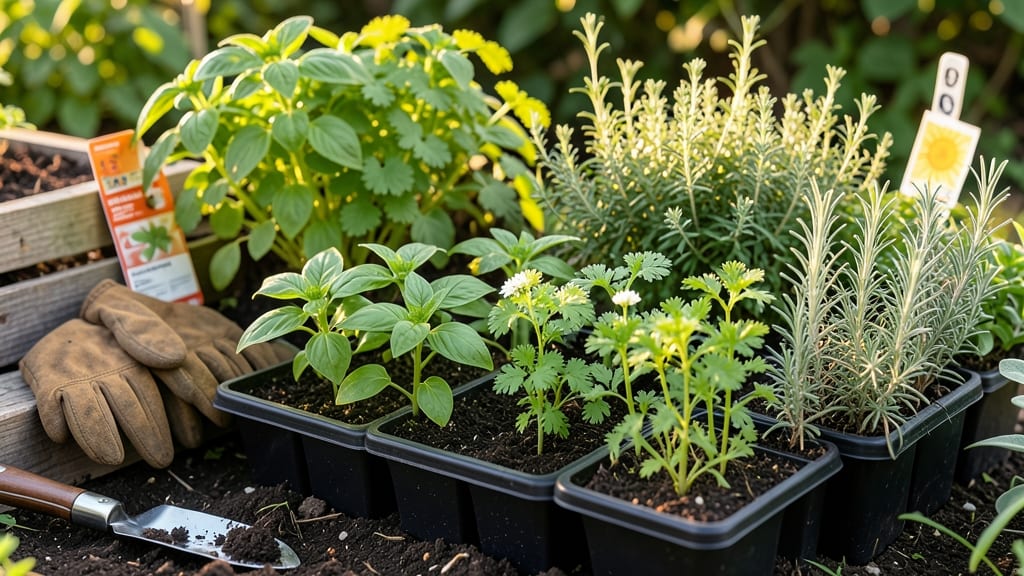
Timing your herb planting in spring isn't just about avoiding frost—it's the secret weapon for lush, fast-growing 🌿 plants that thrive all season long. Whether you're growing basil for pesto or mint for mojitos, getting those seeds in the ground at the right moment makes all the difference.
Most gardeners in USDA Zone 6a (like me!) wait until 2-4 weeks before the last frost—typically March or April—when soil warms to at least 50°F.
But here's the game-changer: aligning your planting with the moon's phases can supercharge germination and growth, giving you herbs ready to harvest as early as 60 days.
Let me show you exactly how to time your spring herb planting for maximum success, including which herbs need warmth (like basil) versus those that tolerate cooler soil (like parsley).
You'll learn the best dates for your region, soil prep tricks, and even how to extend your harvest window until fall.
Skip the guesswork—by the end, you'll know precisely when to plant each herb for faster results and a kitchen garden bursting with flavor. Ready to grow like a pro?
Best spring planting dates for herbs by climate zone
Planting herbs at the right time in spring can mean the difference between thriving plants and stunted growth. The key is understanding your USDA hardiness zone and aligning planting with your last frost date.
Most herbs prefer to be planted 2-4 weeks before the last frost when soil temperatures reach at least 50°F (10°C).
For example, gardeners in USDA Zone 5 (like Chicago or Minneapolis) should start planting tender herbs like basil and cilantro around mid-April, while those in Zone 9 (like Los Angeles) can begin as early as late February.
Hardy herbs like thyme and rosemary can handle cooler soil and may be planted even earlier.
Here’s a quick guide to help you time your planting perfectly based on your zone:
| USDA Zone | Last Frost Date | Ideal Planting Window | Soil Temp Requirement | Best Herbs to Start |
|---|---|---|---|---|
| 3-4 | Mid-May | Late April - Early May | 50°F (10°C) | Parsley, Chives, Thyme |
| 5-6 | Early April | Mid-March - Mid-April | 50°F (10°C) | Basil, Cilantro, Dill |
| 7-8 | Mid-March | Late February - Early March | 55°F (13°C) | Rosemary, Oregano, Sage |
| 9-10 | Late January | Late January - February | 60°F (16°C) | Lavender, Mint, Chervil |
Pro tip: Use a soil thermometer to confirm your soil is warm enough. Cold soil can delay germination and stunt growth, especially for heat-loving herbs like basil and oregano.
If you’re in doubt about your last frost date, check your local cooperative extension service or use a frost calendar app. These resources provide hyper-local data that’s far more accurate than general zone guidelines.
For container gardening, you can extend your planting window by using black plastic pots or heating mats to warm the soil faster. This is especially helpful in cooler zones (3-5) where spring arrives later.
Remember, succession planting is your friend! Plant a second batch of fast-growing herbs like cilantro and dill every 2-3 weeks to ensure a continuous harvest all summer long.
Herbs like parsley and chives are more forgiving and can even handle a light frost, but tender varieties like basil and mint will bolt or die if exposed to freezing temperatures.
Moon phase planting calendar for faster herb growth
Aligning your herb planting with the moon’s phases isn’t just an old gardening trick—it’s a science-backed way to boost your plants’ vitality.
The waning moon (after the full moon) is ideal for leafy herbs like basil, parsley, and cilantro, while the waxing moon (before the full moon) supports root development for herbs like rosemary and thyme. This timing can increase germination rates by up to 30% and yield stronger, more flavorful plants.
For spring planting, focus on the 6 weeks leading up to the summer solstice—this period offers the best balance of lunar energy and warming soil.
Start with hardy herbs like chives and mint under a waxing moon in early spring, then transition to heat-loving herbs like basil and oregano as the moon wanes toward late spring. The key is planting during the right phase for each herb type.
To make this work for your garden, check a lunar planting calendar for your region—most include moon phases and planting recommendations.
For example, if your last frost date is April 15, aim to plant leafy herbs during the waning moon in early April, while root-based herbs can wait until the waxing moon in late April.
This simple adjustment can mean the difference between weak, leggy plants and vigorous, flavorful herbs.
Pro tip: Keep a gardening journal to track which moon phases yield the best results for your specific herbs. Over time, you’ll notice patterns—like how your basil thrives under a waning gibbous moon or your parsley bolts less quickly when planted during a waxing crescent.
Even small adjustments can lead to bigger harvests and better flavors.
Don’t let the idea of moon phases intimidate you—start with just one herb type and one moon phase this spring. For instance, plant your basil seeds during the next waning moon and compare its growth to basil planted at a different time.
You might be surprised by the results! The goal is to experiment and learn what works best in your unique garden conditions.
Remember, the moon’s influence works best when combined with proper soil prep and consistent care. Well-draining soil, adequate sunlight, and regular watering are non-negotiable—lunar timing just gives your herbs that extra growth boost they need to thrive.
With a little practice, you’ll be harvesting flavorful, moon-powered herbs all season long. 🌿