
Plants
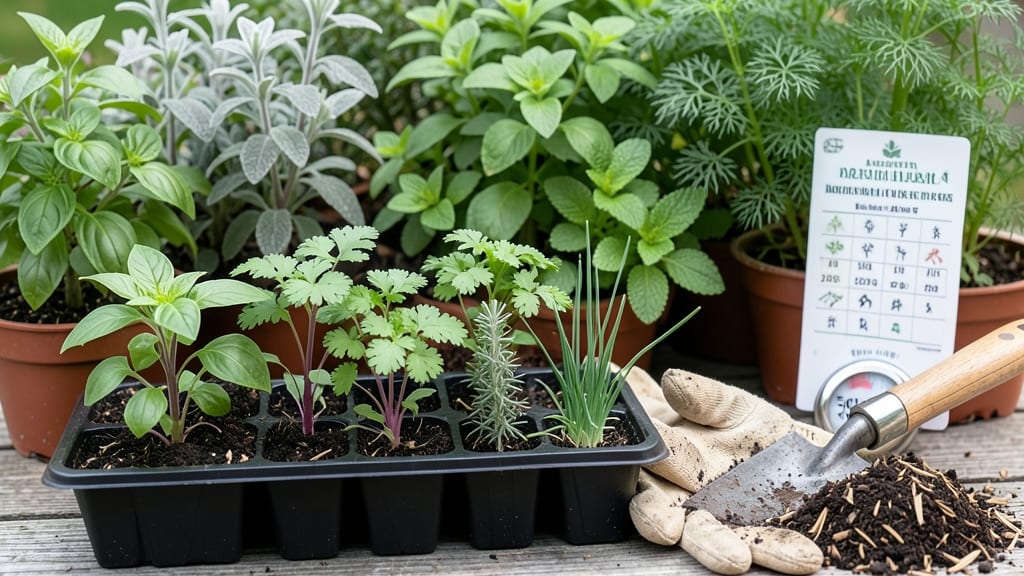
When to plant herbs in Indiana could mean the difference between a thriving garden and a season of disappointment—but getting the timing right unlocks a bounty of 🌿 fresh flavors all year. The key isn't just following a generic calendar; it's understanding how your specific corner of the state (whether you're in chilly Zone 5b or milder 6b) dictates the perfect planting window.
Most gardeners in Indiana rush to plant as soon as the snow melts, but that can backfire if frost lingers or soil stays too cold. I've seen firsthand how waiting until after April 15—when the last frost typically passes—transforms struggling seedlings into thriving plants.
This isn't just theory; it's what works for Hoosiers growing everything from heat-loving basil to cold-hardy thyme.
What you'll discover here are the exact months to start seeds indoors, transplant tender herbs, and even extend your growing season with clever tricks. We're talking about avoiding common mistakes that waste time and money, like planting cilantro too early or crowding parsley too closely.
Ready to turn your backyard into a year-round herb haven?
The best part? These strategies work whether you're a city dweller with containers or a rural gardener with acres. Let's dive into the science-backed schedule that'll have your herbs flourishing from May through October—no guesswork required.
Indiana herb planting calendar by microclimate Zone
Indiana’s USDA Hardiness Zones 5b-6b create distinct planting windows—northern Indiana’s cooler climate (Zone 5b) differs from southern Indiana’s milder zones (Zone 6b). For example, basil thrives in Zone 6b’s warmer springs but risks frost damage in Zone 5b if planted too early.
Let’s break down the optimal planting months for each microclimate, including frost dates and soil temperature requirements.
Most Indiana gardeners should aim to plant cool-season herbs like parsley and cilantro in early spring (March-April), while warm-season herbs such as basil and oregano wait until after the last frost (mid-April to May).
Southern Indiana’s Zone 6b can start 2-3 weeks earlier than northern Zone 5b, giving you a longer growing season for heat-loving varieties.
Here’s how to match your location to the perfect planting window:
The soil temperature is your best indicator for planting warm-season herbs. Use a soil thermometer to confirm temps reach 60°F or higher before transplanting basil or dill. In northern Indiana, this often means waiting until late May, while southern Indiana can start as early as mid-April.
For cool-season herbs, focus on planting 4-6 weeks before the last frost. In Zone 5b, this translates to early March for hardy varieties like parsley, while Zone 6b can start late February.
Always choose slow-bolting cilantro varieties for Indiana’s hot summers, as regular cilantro bolts quickly in temperatures above 75°F.
Pro tip: Succession planting works wonders in Indiana. Sow basil seeds every 2 weeks from May through July to ensure a continuous harvest. This strategy also applies to parsley and chives, which tolerate light frosts and can be planted in early fall (August-September) for winter harvests.
If you’re in Zone 6b, don’t overlook perennial herbs like oregano and thyme. These thrive when planted in early spring or fall, establishing deep roots before winter.
In contrast, Zone 5b gardeners should treat these as annuals or use row covers to protect them through Indiana’s first fall frosts (October 15).
Always check your local frost dates—Indiana’s microclimates can vary by 10-14 days even within the same county. For example, Evansville (Zone 6b) often sees 2 weeks earlier last frosts than South Bend (Zone 5b). Use resources like the Indiana State Climate Office for hyper-local data.
Remember: Herbs planted at the right time grow 30-50% faster and produce 2-
How to extend your herb growing season in Indiana
Indiana’s short growing season can feel like a race against time for herb lovers, but with the right strategies, you can enjoy fresh basil, cilantro, and dill for months longer than usual.
The key lies in leveraging cold-hardy varieties, protective tools, and smart planting techniques that work with Indiana’s USDA Zones 5b-6b. Whether you’re dealing with late spring frosts or early fall chills, these methods will keep your herbs thriving well beyond the traditional harvest window.
For heat-sensitive herbs like cilantro and parsley, focus on early spring or late summer plantings. These varieties bolt (flower prematurely) when temperatures rise above 75°F, so timing is everything.
Meanwhile, cold-hardy herbs such as thyme, oregano, and sage can handle light frosts down to 20°F, making them perfect candidates for extended-season gardening. By combining these strategies, you’ll maximize your harvest and minimize wasted effort.
🌱
- 1 Start with cold-hardy varieties: Plant thyme, oregano, and sage as early as March in southern Indiana or April in the north. These herbs tolerate light frosts and thrive in cooler soil temperatures.
- 2 Use row covers and cloches: Protect tender herbs like basil and parsley with lightweight row covers or mini greenhouses. These tools can push your harvest window 2-4 weeks earlier in spring or 3-5 weeks later in fall without overheating plants.
- 3 Master succession planting: Sow fast-growing herbs like cilantro and dill every 2-3 weeks from early spring to late summer. This ensures a continuous supply of fresh leaves, even as older plants bolt or mature.
- 4 Embrace container gardening: Move potted herbs to sheltered spots like porches or garages during extreme heat or cold snaps. Containers also allow you to relocate plants to follow the sun, maximizing growth in Indiana’s variable light conditions.
- 5 Harvest strategically: Pinch back flowering stems and harvest leaves regularly to encourage bushier growth. For perennial herbs like rosemary, trim back in early spring to stimulate new growth before the main growing season begins.
Don’t overlook the power of mulching—a thick layer of straw or shredded leaves around your herb beds insulates roots from temperature swings. In fall, this helps retain heat longer, while in spring, it prevents soil from warming too quickly, which can stress cold-sensitive herbs.
For urban gardeners, consider using black plastic mulch to warm soil faster in early spring, giving heat-loving herbs like basil a head start.
If you’re pushing your limits with late-season herbs, monitor weather forecasts closely. A light frost warning is your cue to cover delicate plants or harvest them immediately.
With these techniques, you can enjoy fresh herbs from late April through October, giving you a 6-month growing window instead of the typical 4-month season.
☀️