
Plants
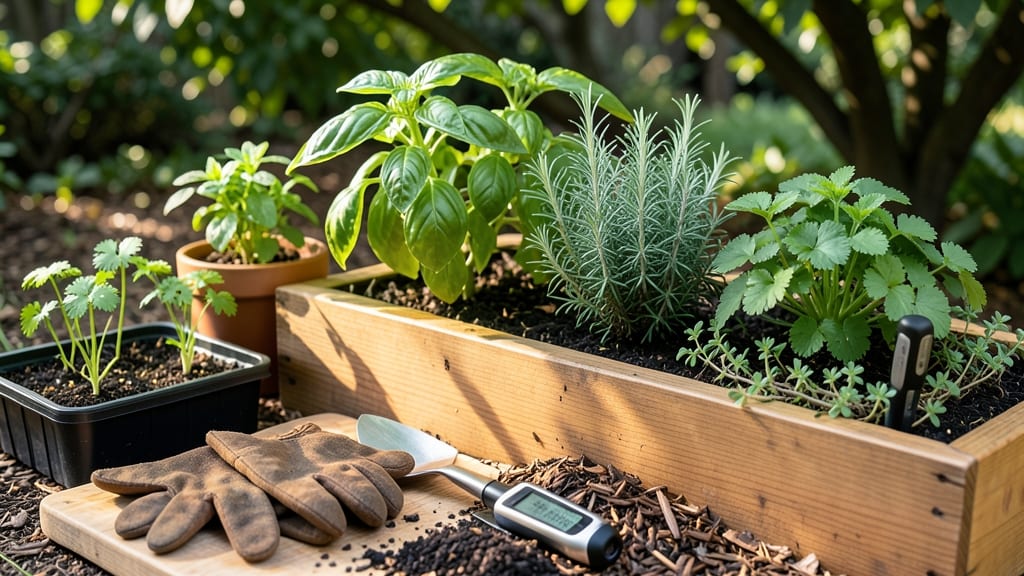
Best months to plant herbs in Zone 7 by type (cool vs warm season)
Zone 7's mild winters and hot summers create a unique challenge for herb gardeners. Some herbs, like cilantro and parsley, thrive in cooler temperatures, while others, such as basil and rosemary, need warmth to germinate.
Timing is everything—plant too early, and tender herbs will bolt or freeze; too late, and you’ll miss the growing season. Let’s break down the ideal planting windows for both cool-season and warm-season herbs in your area.
For cool-season herbs, the best time to plant is early spring (March) or fall (September-October).
These herbs tolerate cooler temperatures and can even handle light frosts. Warm-season herbs, on the other hand, should wait until after the last frost date (mid-April in Zone 7) to ensure they don’t succumb to cold snaps. Understanding these differences will help you maximize your herb garden’s productivity year-round.
Here’s a quick reference for the perfect planting months based on herb type:
| Herb Type | Best Planting Months | Notes |
|---|---|---|
| Cool-Season Herbs | March, September-October | Tolerates cooler temps; plant 4-6 weeks before first frost for fall harvest. |
| Warm-Season Herbs | Mid-April to June | Wait until soil is at least 60°F; avoid planting before last frost. |
| Perennial Herbs | Early Spring (March) or Fall (October) | Establish roots before winter; mulch to protect from cold. |
| Annual Herbs | March (cool) or April-June (warm) | Sow seeds directly or start indoors 6-8 weeks before transplanting. |
Let’s dive deeper into specific herb varieties and their ideal planting times. For example, basil, one of the most popular warm-season herbs, should never be planted before the soil warms up. If you try to plant it too early, the seeds will rot in the cold ground.
On the other hand, parsley, a cool-season herb, can be sown as early as February under row covers or directly in March for a head start.
Another critical factor is soil temperature. Most herb seeds won’t germinate well if the soil is below 50°F. Use a soil thermometer to check—this is especially important for warm-season herbs like oregano and thyme, which need consistently warm soil to thrive.
If your soil is still cold in April, hold off on planting until temperatures rise.
Don’t forget about succession planting, a technique that ensures a continuous harvest. For example, you can plant basil every 2-3 weeks from April to June to enjoy fresh leaves throughout the summer.
This method works well for both warm-season and cool-season herbs, as long as you align the planting schedule with their ideal growing conditions.
For perennial herbs like rosemary and sage, early spring or fall planting gives them time to establish strong root systems before winter. These hardy plants can handle Zone 7’s winters, but they’ll reward you with years of harvests if planted at the right time.
Mulch heavily around their bases in late fall to protect them from freezing temperatures.
One common mistake is assuming all herbs can be planted at the same time. Cilantro, for instance, bolts quickly in hot weather, so it’s best planted in early spring or fall.
Meanwhile, dill, another cool-season herb, can handle slightly warmer conditions but still prefers cooler weather. Pay attention to these nuances to avoid disappointment.
Finally, consider your microclimate. If your garden is in a low-lying area, it might stay cooler longer in spring, delaying planting. Conversely, a south-facing garden warms up faster, allowing you to plant earlier. Observe your space for a few seasons to fine-tune your planting schedule.
How to extend your herb growing season in Zone 7 (without losing plants)
Zone 7’s mild winters and hot summers create the perfect opportunity to grow herbs year-round—but only if you use the right strategies. The key is extending your growing season by starting early, protecting tender plants, and planning for succession.
I’ve learned that even in my Zone 7b garden, herbs like basil and cilantro can thrive beyond their usual seasons with a few smart tricks.
One of my favorite methods is starting seeds indoors 6-8 weeks before the last frost date (around February 15 for Zone 7). This gives delicate herbs like parsley and dill a head start.
Use grow lights or a sunny windowsill to avoid leggy seedlings. I swear by a simple setup with LED bulbs—it’s cost-effective and mimics natural sunlight perfectly.
- Start seeds indoors in late winter for early spring harvests (e.g., basil in March).
- Use row covers or cloches to protect herbs from late spring frosts (until April 15).
- Plant cool-season herbs (like cilantro) in late summer for fall/winter harvests.
- Try succession planting: Sow new seeds every 2-3 weeks to ensure a continuous supply.
- Move potted herbs indoors near a sunny window before the first frost (around November 1).
For fall and winter, I rely on row covers and cold frames to shield herbs from light frosts. A simple floating row cover can raise soil temperatures by 5-8°F, allowing herbs like thyme and oregano to survive until December.
I’ve even kept rosemary alive through winter by potting it and moving it to a garage with a south-facing window—it’s surprisingly resilient!
Don’t forget about succession planting—this is my secret weapon for a never-ending herb harvest. For example, I plant basil every 2 weeks from April to June, ensuring fresh leaves all summer.
Similarly, parsley and chives can be sown in late summer for a fall harvest. The key is to space out plantings and monitor soil moisture closely during transitions.
If you’re feeling ambitious, consider a mini greenhouse or cold frame for overwintering. Even a simple PVC hoop house covered with plastic sheeting can create a microclimate that extends the season by 4-6 weeks.
I’ve used one to grow cilantro well into January—something I never thought possible in Zone 7!
Finally, harden off your herbs properly before transitioning them indoors or outdoors. Gradually expose them to outdoor conditions over 7-10 days to avoid shock. And remember: perennial herbs like rosemary and sage can often survive winter with a thick layer of mulch—just give them a little extra protection.