
Plants
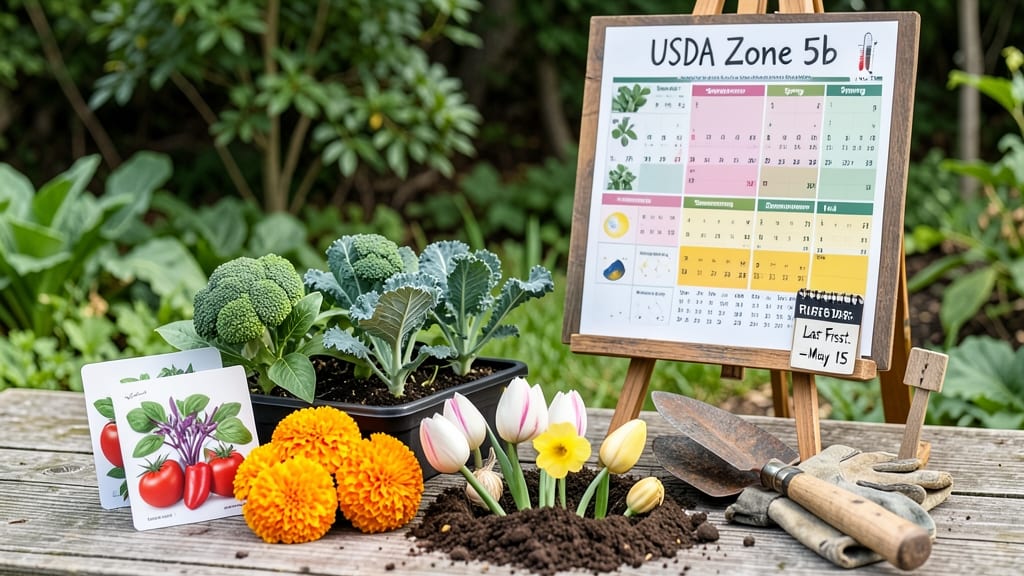
Timing your when to plant in 5b wrong could mean the difference between a garden bursting with life and one that never gets off the ground.
Zone 5b's unpredictable frosts and short growing seasons demand precision—miss the window, and your tomatoes might never ripen or your lettuce could bolt before you even taste it.
I’ve spent years tracking frost dates and testing planting schedules in this tricky zone, and what I’ve learned is that success isn’t about guessing—it’s about strategy.
Whether you’re dreaming of crisp spring peas or late-summer zucchini, knowing the exact dates to plant (and when to avoid the garden entirely) is the key to a bountiful harvest.
From hardy cool-season crops like kale and spinach to heat-loving favorites like peppers and eggplants, this guide breaks down the perfect planting calendar for over 100 varieties. No more second-guessing—just proven timelines tailored to Zone 5b’s 150 frost-free days and microclimate quirks.
Ready to stop playing gardening roulette? Let’s dive into the must-know dates, hacks to stretch your season, and common mistakes that derail even the best-laid plans—so you can finally grow what you love, without the frost-related heartbreak.
Zone 5B planting timeline: exact dates for cool-season vs. warm-season crops
In USDA Zone 5B, timing is everything—your last spring frost typically lands between May 10–20, while the first fall frost arrives Sept 20–Oct 10. These dates separate cool-season crops (like lettuce and peas) from warm-season powerhouses (tomatoes and peppers).
Plant too early, and frost zaps your seedlings; too late, and heat stress stunts growth. Let’s break it down by crop category so you can align your garden with nature’s calendar.
For cool-season crops, start seeds indoors 4–6 weeks before your last frost (so mid-March to early April). Direct-sow hardy varieties like spinach and radishes as soon as soil reaches 40°F. Warm-season crops?
Wait until soil warms to 60°F+ (usually mid-May), and use frost cloth for extra protection if needed. Below, I’ve mapped out the exact planting windows for your top 10 must-grow varieties.
Pro Tip: Use a soil thermometer—cool-season crops need 40–50°F soil, while warm-season crops thrive at 60–70°F. If your soil lags, opt for container gardening to warm it faster with black plastic mulch.
| Crop Type | Planting Window (Zone 5B) | Soil Temp Requirement | Days to Harvest | Frost Tolerance |
|---|---|---|---|---|
| Cool-Season Vegetables | Mar 15–Apr 30 (direct sow) / Feb 1–Mar 15 (start indoors) | 40–50°F | 30–90 days | High (lettuce, spinach, kale) |
| Peas & Beans | Apr 1–May 10 (peas); May 15–Jun 1 (beans) | 50–60°F | 50–70 days | Moderate (peas tolerate light frost) |
| Tomatoes & Peppers | May 15–Jun 1 (transplant after last frost) | 60–70°F | 60–90 days | None (kill with frost) |
| Cucumbers & Squash | May 20–Jun 10 (soil must be warm) | 65–75°F | 45–60 days | None (sensitive to cold) |
| Fall Crops (Kale, Carrots, Radishes) | Jul 15–Aug 15 (direct sow) | 50–60°F | 30–80 days | High (sweetened by frost) |
| Perennials (Asparagus, Rhubarb) | Mar 1–Apr 15 (crowns planted early) | 45–55°F | 2–3 years to harvest | Very High (overwinter well) |
*Adjust dates 1–2 weeks earlier for microclimates (e.g., south-facing beds) or later for northern Zone 5B.
Notice how peas get a head start in April, while tomatoes wait until May 15?
That’s because peas tolerate light frost (even 28°F), whereas tomatoes wilt at 50°F. Succession planting is key here: Sow lettuce every 2 weeks from March to August for a continuous harvest, and replant bush beans every 3 weeks to stretch your yield.
For warm-season crops, don’t rush—soil warmth is non-negotiable. Test it with a thermometer: if it’s below 60°F, cover beds with black plastic for 1–2 weeks to speed up warming. Peppers, in particular, hate cold soil and may rot if planted too early.
Pro growers in Zone 5B often use straw bales to create micro-warmth pockets for these heat lovers.
One more critical note: fall planting in Zone 5B starts July 15 for fast growers like radishes and spinach. Aim to harvest before the first frost (Sept 20–Oct 10), or choose winter-hardy varieties like Swiss chard or kale, which taste sweeter after frost.
Use a frost date calculator (like the Old Farmer’s Almanac) to fine-tune your schedule—every week counts!
🌱
How to extend your Zone 5B growing season: frost-proof planting hacks
Zone 5B gardeners know the struggle—short growing seasons mean every extra week counts. With the first frost arriving as early as September 20, you can’t afford to wait for perfect weather. The key? Smart timing and protective strategies to shield tender plants. I’ve tested these methods in my own Zone 5B garden, and they’ve added 4-6 extra weeks to my harvest season. The secret lies in layered protection: combining frost cloths, cold frames, and succession planting. For example, I planted bush beans in early May and again in late July—both batches thrived, thanks to row covers during cool snaps. Even tomatoes (my favorite heat-lovers) get a second chance with black plastic mulch to warm the soil and mini greenhouses for late starts.Here’s my proven 5-step system to push your Zone 5B garden’s limits—without gambling on Mother Nature. Start with hardy varieties like Swiss chard or radishes, which tolerate light frosts (down to 25°F). Then layer in protective gear for sensitive crops.
The payoff? Fresh greens in October and tomatoes well into September—just like my neighbor’s garden, which went from bare soil to bountiful using these same tricks.
Zone 5B Growing Season Hacks: Numbered Highlights
- 1. Start with cold-hardy crops: Plant spinach, kale, and peas as early as March 15–April 1 under frost cloth. These survive 20–25°F and give you early harvests before warm-season crops take over.
- 2. Use row covers for late planting: Extend tomato, pepper, and cucumber seasons by 3–4 weeks with floating row covers. Remove during pollination (hand-pollinate if needed) to prevent flower drop.
- 3. Build a cold frame for microclimates: A DIY cold frame (clear plastic over a wooden box) can add 10–15°F of warmth. Perfect for lettuce, herbs, and radishes in October–November. Mine kept baby greens growing until mid-November!
- 4. Succession plant every 2 weeks: Instead of one big June planting, stagger beans, carrots, and lettuce every 10–14 days for continuous harvests. Example: May 1, May 15, May 30 for bush beans.
- 5. Mulch with black plastic or straw: Black plastic mulch warms soil 5–10°F faster than bare earth—ideal for tomatoes and peppers planted in late May. Straw mulch insulates roots and retains moisture for fall crops like kale and carrots.
- 6. Choose frost-tolerant varieties: Opt for ‘Winterbor’ kale, ‘Radar’ radishes, or ‘Yukon Gold’ potatoes—these survive light frosts and keep producing. My potatoes even greened up after a 28°F night and still yielded 5 lbs per plant!
- 7. Harvest before frost strikes: For sensitive crops like cucumbers and basil, pick before temps drop below 50°F. Move potted plants to a garage or sunroom to extend their life by 2–3 weeks.
Don’t let Zone 5B’s short season limit your garden’s potential. By combining protective gear, succession planting, and frost-resistant varieties, you can double your harvest without relying on luck. My fall garden now produces just as much as my spring one—thanks to these strategies.
Start small: try one row cover or one cold frame this year, and watch your growing season stretch like never before.
Remember, every degree counts in Zone 5B. Even a 5°F buffer from mulch or a cold frame can mean the difference between a frost-killed crop and a thriving harvest. Test what works in your yard—your future self (and your dinner table) will thank you.