
Plants
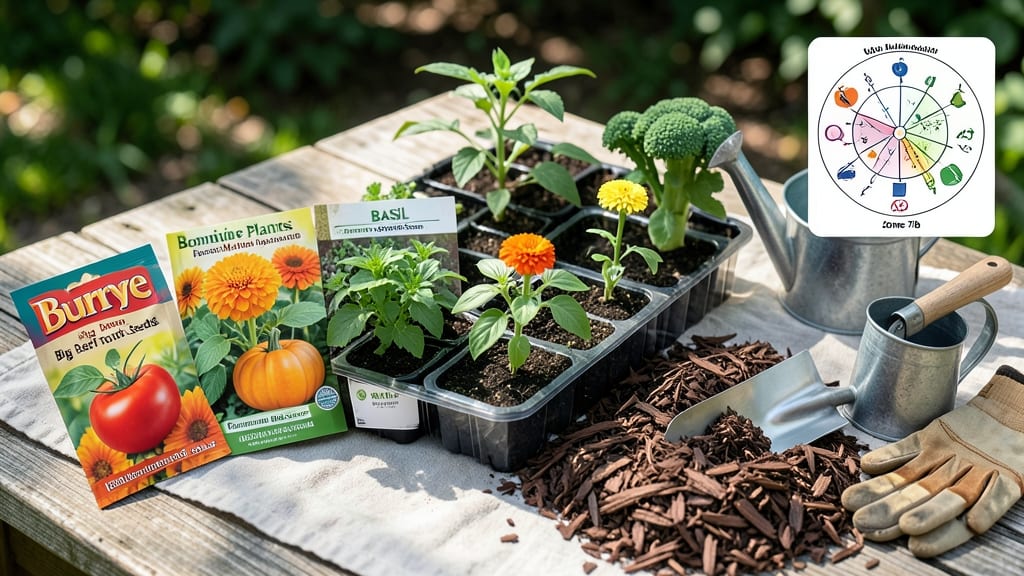
Timing your planting in USDA Zone 7b can make or break your garden’s success—get it wrong, and your hard work could vanish overnight with a single frost. The difference between a thriving harvest and wasted seeds often comes down to knowing when to start, transplant, or sow each crop.
With frost-free windows stretching from March 15 to November 15, Zone 7b offers a longer growing season than many realize. But even here, late frosts in spring or early cold snaps in fall demand precision.
Whether you’re planting cool-season veggies like spinach or warm-season favorites like tomatoes, the right timing ensures stronger roots, faster growth, and bigger yields.
I’ll break down the exact dates for planting vegetables, flowers, and perennials—plus how to adjust for microclimates where frost behaves unpredictably. No more guessing whether your soil is warm enough or if those seedlings are safe outside. Let’s get your garden off to the best possible start.
From extending seasons with row covers to avoiding common mistakes like planting too early, you’ll walk away with a clear, actionable plan tailored to Zone 7b’s unique challenges. Ready to turn your garden dreams into reality?
USDA Zone 7B planting calendar: exact dates for cool-season vs warm-season crops
Mastering the Zone 7B planting schedule starts with understanding your frost-free window, which typically runs from March 15 to November 15. In this zone, you’ll enjoy about 180 frost-free days, giving you ample time to grow both cool-season crops and warm-season vegetables.
The key is aligning your planting with soil temperatures and frost dates to maximize yields and avoid frost damage.
For cool-season crops like lettuce, spinach, and peas, planting begins in early spring (March) and late summer (August). These plants thrive in cooler temperatures and can even tolerate light frosts.
Meanwhile, warm-season crops such as tomatoes, peppers, and cucumbers need to wait until after the last frost date (around April 15) and until the soil warms to at least 60°F.
Here’s a breakdown of the ideal planting windows for both cool-season and warm-season crops in Zone 7B, including exact dates and soil temperature thresholds to help you plan with precision.
When planning your Zone 7B garden, remember that soil temperature is just as critical as air temperature. Use a soil thermometer to verify warmth before planting warm-season crops. For example, tomatoes and peppers won’t thrive until the soil reaches 60°F, even if the air is warm.
This is why April 15 is often the safest date to transplant them outdoors.
For cool-season crops, you can start seeds indoors in February for an early spring harvest. However, be cautious with late-winter planting, as unexpected frosts can still occur. Use row covers or cold frames to protect tender seedlings if frost is forecasted.
In Zone 7B, you can also take advantage of a second planting window in late summer for crops like kale, carrots, and radishes. These fall crops benefit from cooler autumn temperatures and can be harvested before the first frost in November.
This strategy extends your growing season and maximizes your garden’s productivity.
Don’t overlook herbs and flowers, which often have flexible planting windows.
For instance, basil should be planted after the last frost, while cilantro can handle cooler spring and fall temperatures. Marigolds and zinnias are excellent for summer color and can be direct-sown as early as April 15, thriving in the Zone 7B heat.
Pro tip: Keep a gardening journal to track your planting dates, soil temperatures, and weather patterns. Over time, you’ll refine your schedule to match your local microclimate, whether you’re in a valley, urban garden, or elevated area. This helps you adjust for unpredictable frost risks
How to adjust planting times for Zone 7B microclimates and frost risks
Zone 7B’s 180 frost-free days create a unique window for gardening, but microclimates can shift those dates dramatically. A valley bottom might frost 2 weeks later than a south-facing slope, while urban gardens often trap heat longer. Understanding these variations helps you extend seasons and protect tender plants.
Start by observing your garden’s frost patterns for 3 years. Note where frost lingers longest—often low areas or north-facing slopes. Use a minimum thermometer (placed in your garden bed) to track overnight lows.
This data will refine your planting schedule beyond the average last frost date of March 15.
For warm-season crops like tomatoes or peppers, wait until soil reaches 60°F at 4-inch depth. In Zone 7B, this typically happens by mid-April, but elevated beds warm up faster. Test soil temperature with a soil thermometer—don’t rely on air temperature alone.
⚠️ Frost Risk Adjustments for Zone 7B
❄️ Late Frost Zones: Plant heat-loving crops (e.g., basil, cucumbers) 2 weeks later in frost-prone areas. Use black plastic mulch to warm soil 5–10°F faster.
🌡️ Urban Heat Islands: Start cool-season crops (e.g., spinach, kale) 10 days earlier—soil warms 2–3°F faster in paved areas. Monitor for heat stress in summer.
🌿 Microclimate Hacks: Group frost-sensitive plants near south-facing walls or dark mulch to create a 3–5°F warmer microclimate. Avoid planting near large trees, which delay spring warming.
Extend your fall harvest by using row covers or cold frames to protect crops until November 15. For example, kale and carrots can tolerate light frosts, while broccoli benefits from a floating row cover to push harvests into December.
Always remove covers during the day to prevent fungal diseases from trapped moisture.
If you’re in a valley or low-lying area, consider successive planting for heat-lovers. Start pepper seeds indoors by February 15 and transplant after May 1 when soil is reliably warm. For cool-season crops, direct-sow spinach in late August for a fall harvest before hard frosts arrive.
Finally, track your local frost history using tools like the National Weather Service’s frost maps or apps like PlantNet. Adjust your schedule yearly—what worked in 2023 might fail in 2024 due to climate shifts. With these tweaks, you’ll maximize your Zone 7B growing season and avoid costly mistakes.