
Plants
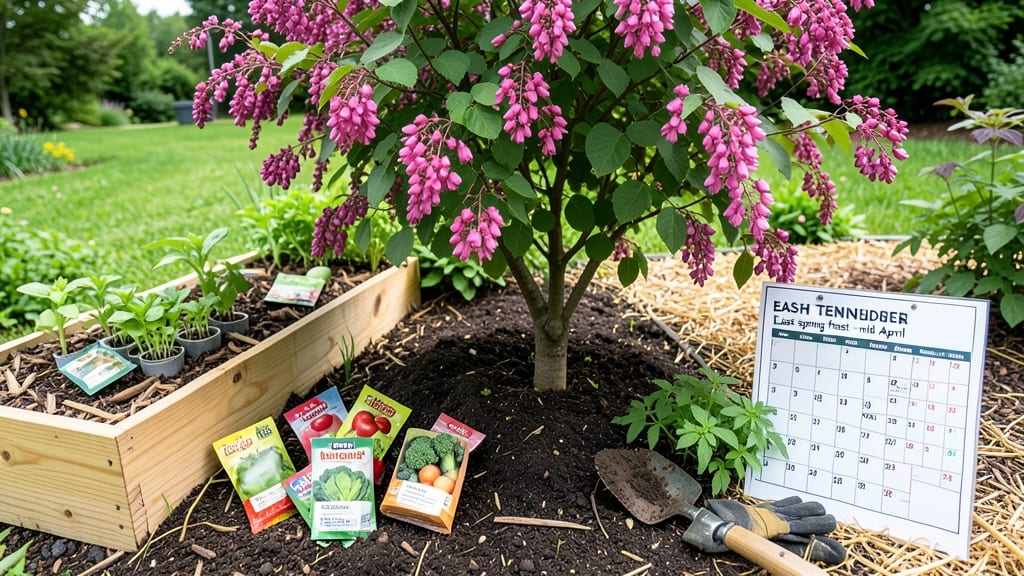
East Tennessee last frost dates by Zone: when to plant cool vs warm-season crops
East Tennessee spans USDA Zones 6a-7a, where last frost dates can vary wildly—from March 15 in lower elevations (like Chattanooga) to April 15 in higher areas (like Knoxville or the Smoky Mountains).
These dates dictate whether your cool-season crops (like spinach or peas) survive or your warm-season crops (like tomatoes or peppers) thrive. I’ve gardened here for years, and timing is everything.
For Zone 6a (higher elevations), plan for a longer frost risk—some years, snow flurries linger into mid-April. Meanwhile, Zone 7a (lower elevations) may see warmer springs, but don’t assume—frost can sneak in unexpectedly. Always check local frost alerts from the UT Extension Service for real-time updates.
Cool-season crops like broccoli, kale, and lettuce can handle light frosts, so I start them 4-6 weeks before the last expected frost. Warm-season crops, however, need soil temps above 60°F—that’s why I wait until 2 weeks after the last frost to plant tomatoes, peppers, and cucumbers.
🌱
| Crop Type | Planting Window | Last Frost Adjustment | Notes |
|---|---|---|---|
| Cool-Season Crops | 4-6 weeks before last frost | Zone 6a: March 15 Zone 7a: March 25 |
Spinach, peas, broccoli, kale |
| Warm-Season Crops | 2 weeks after last frost | Zone 6a: April 30 Zone 7a: April 20 |
Tomatoes, peppers, cucumbers, beans |
| Perennials | Early spring (March) or fall (September) | Zone 6a: After hard frost risk Zone 7a: Early March |
Herbs, asparagus, strawberries |
| Fall Crops | 8-10 weeks before first frost | Zone 6a: August 15 Zone 7a: September 1 |
Kale, carrots, radishes, lettuce |
Microclimates in East Tennessee add another layer of complexity. Valleys and lower elevations (like Chattanooga) warm up faster, while mountainous areas (like the Smokies) stay colder longer. If you’re near a lake or river, you might see earlier last frosts due to water’s heat-retaining properties.
Always scout your yard—low spots collect cold air and frost longer.
For warm-season crops, soil temperature matters more than air temperature. Use a soil thermometer to confirm temps are above 60°F before planting. I’ve seen peppers wilt when planted too early, even if the air feels warm. Patience pays off—wait for that consistent warmth.
First-time gardeners often make the mistake of planting tomatoes or peppers too early, only to see them bolt or rot from unexpected frosts.
I’ve lost entire cucumber plants to a late April freeze in Zone 6a. To avoid this, I use row covers for a few weeks after transplanting warm-season crops to give them a head start.
🌿
If you’re unsure about your exact last frost date, plant a sacrificial crop like radishes or lettuce in early March. These fast growers (25-30 days) will tell you if the ground is safe for other plants. I’ve used this trick to test soil temps without risking expensive seedlings.
Remember, East Tennessee’s first frost typically arrives between October 15 and November 1. This means your fall crops (like kale or carrots) need to be planted by mid-August to mature before the cold sets in. Succession planting—sowing small batches every 2 weeks—keeps your harvests coming.
Finally, keep a gardening journal to track your local frost dates. Over time, you’ll notice patterns—maybe your yard frosts a week later than the average, or your microclimate protects certain areas. This knowledge is your secret weapon for a successful East Tennessee garden.
East Tennessee last frost dates by Zone: when to plant cool vs warm-season crops
East Tennessee spans USDA Zones 6a-7a, where last frost dates can vary dramatically—from March 15 in lower elevations to April 15 in higher mountain areas like Knoxville.
This variability means your cool-season crops (like spinach and peas) must go in early, while warm-season crops (tomatoes, peppers) wait until after the last frost. Microclimates add another layer: valleys warm faster than ridges.
For Zone 6a (higher elevations), aim to plant cool-season crops 6 weeks before your last frost—often by March 1. In Zone 7a (lower elevations), you can push that to March 15-30.
Warm-season crops, however, need to wait until 2 weeks after your last frost, typically April 30-May 15 depending on elevation.
📅 Key Dates by Zone:
- Zone 6a (e.g., Smoky Mountains): Last frost April 15, first frost October 20
- Zone 7a (e.g., Knoxville, Chattanooga): Last frost April 1, first frost October 10
| Crop Type | Planting Window | Zone 6a | Zone 7a | Notes |
|---|---|---|---|---|
| Cool-Season Crops | 4-6 weeks before last frost | March 1-15 | March 15-30 | Spinach, peas, broccoli |
| Warm-Season Crops | 2 weeks after last frost | April 30-May 15 | May 1-15 | Tomatoes, peppers, cucumbers |
| Fall Planting | 6-8 weeks before first frost | August 15-Sept 15 | August 30-Sept 30 | Kale, carrots, radishes |
Use these dates as guidelines, but monitor local forecasts. For example, Knoxville’s elevation (1,000 ft) often experiences frost later than Chattanooga (600 ft). If you’re unsure, opt for heat-tolerant varieties or use row covers to extend your season.
Pro tip: Start warm-season seeds indoors 6-8 weeks before your last frost to give them a head start. For Zone 6a, that means February 15; for Zone 7a, March 1. This ensures your tomatoes and peppers are ready to transplant right after the last frost.
For perennials and shrubs, plant in early spring (March-April) or fall (September-October) when soil is workable but not frozen. Mulch heavily after planting to protect roots from late spring frosts or early fall freezes.