
Plants
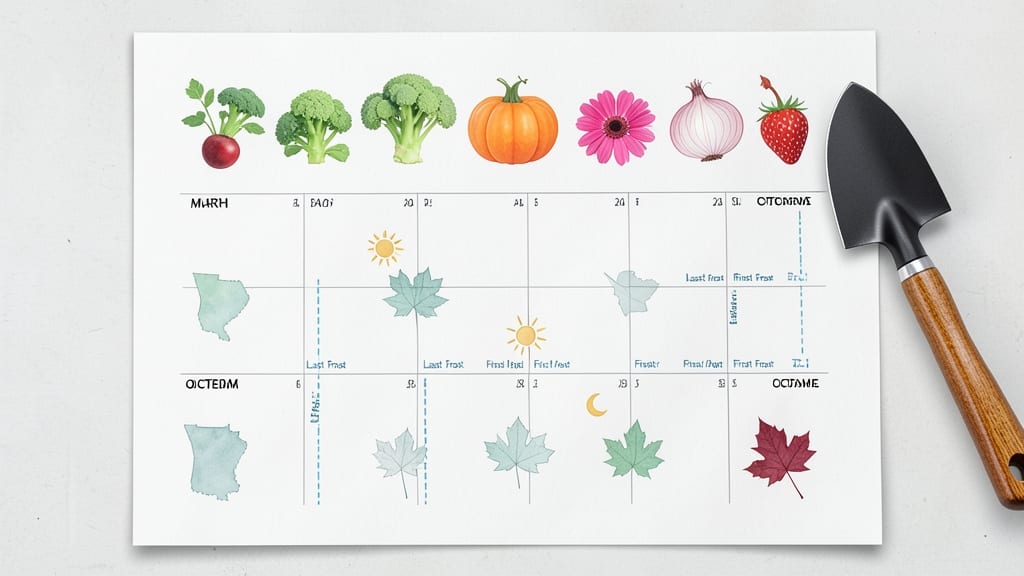
Mastering the when to plant in Ohio calendar isn’t just about following a generic schedule—it’s about unlocking your garden’s full potential despite Ohio’s tricky frost dates and varied microclimates.
Whether you’re a first-time gardener or a seasoned green thumb, getting the timing right means the difference between a bountiful harvest and wasted effort.
Ohio’s 6a-6b zones give you a 165-day growing season, but that doesn’t mean every crop thrives on the same timeline.
Cool-season veggies like spinach and peas can go in as early as March, while tomatoes and peppers need to wait until after the last frost—usually mid-April—to avoid frost damage. The key is knowing which plants to start indoors and which can handle direct sowing outdoors.
This guide breaks down the exact planting windows for Ohio, including adjustments for urban heat islands, lake-effect cooling, and soil conditions. You’ll learn how to extend your season with row covers, when to fertilize for peak growth, and which crops to prioritize for your local climate.
No more guessing—just a clear, actionable roadmap to a thriving garden.
Ready to turn your Ohio garden into a year-round success? Let’s dive into the month-by-month planting calendar that actually works for your zone, so you can enjoy fresh produce from spring through fall—and maybe even winter with the right strategies.
Ohio planting calendar by month: frost dates & hardiness zones 5-6
Ohio’s USDA Hardiness Zones 5-6 offer a 165-day growing season, but frost dates vary dramatically between northern and southern regions. The average last frost ranges from mid-April in southern Ohio to late April in northern areas, while the first frost typically arrives in mid-October.
This means your planting timeline should account for both early spring cold snaps and late-season heat waves.
To simplify, I’ve broken down the month-by-month planting guide for Ohio, including cool-season crops that thrive in early spring, warm-season staples for summer, and fall harvests that extend your garden’s productivity.
Whether you’re sowing seeds indoors in February or direct-sowing tomatoes in May, this calendar keeps your garden on track.
Pro Tip: Use row covers or cold frames to push your planting windows earlier or later—especially in Zone 5 areas like Cleveland or Toledo, where frosts linger longer.
| Month | Planting Tasks | Cool-Season Crops | Warm-Season Crops | Notes |
|---|---|---|---|---|
| February | Start seeds indoors (peppers, tomatoes, eggplants) | Spinach, kale, lettuce (cold frames) | None | Use grow lights for seedlings |
| March | Direct-sow peas, radishes, carrots; transplant onions | Broccoli, cabbage, Brussels sprouts | None (too cold) | Wait until soil warms to 40°F |
| April | Transplant frost-hardy veggies; direct-sow beans, corn | Lettuce, spinach, peas | Tomatoes, peppers (after last frost) | Monitor frost alerts—use row covers |
| May | Plant warm-season crops; succession-sow greens | None (too hot for cool crops) | Cucumbers, squash, melons | Soil should be 60°F+ for tomatoes |
| June | Succession plant beans, lettuce, radishes | None | Okra, sweet potatoes, late tomatoes | Mulch to retain moisture |
| July | Plant fall broccoli, cabbage; sow cover crops | None | Late beans, corn | Watch for pests (tomato hornworms!) |
| August | Direct-sow cool crops for fall harvest | Spinach, arugula, kale | None (focus on harvest) | Use shade cloth for heat-sensitive crops |
| September | Transplant frost-tolerant crops; harvest late tomatoes | Cabbage, Brussels sprouts, peas | None | Extend season with row covers |
| October | Plant garlic, onions, cover crops | None (too cold) |
How to adjust planting times for Ohio’s microclimates & soil conditionsOhio’s diverse geography—from the Lake Erie shoreline to the Appalachian foothills—creates microclimates that can shift frost dates by weeks. For example, Columbus averages a last frost around April 15, while Toledo near the lake may see frost linger until May 1. Understanding these variations lets you extend your growing season without risking frost damage. Urban areas like Cincinnati experience heat islands, where pavement and buildings trap warmth, allowing you to plant warm-season crops like tomatoes 2 weeks earlier than rural zones. Meanwhile, northern Ohio (e.g., Cleveland) often faces later springs, so starting seeds indoors in late February gives cool-loving crops like peas a head start. Soil drainage is another critical factor. Clay-heavy soils in southeastern Ohio (e.g., Athens) can stay soggy into spring, delaying planting until soil warms to 50°F. Amend with compost or sand to improve drainage and plant radishes or spinach—fast-growing crops that tolerate cooler temps—while waiting for heavier soils to dry.
⚠️ Warning: Common Mistake
Planting warm-season crops (tomatoes, peppers) too early in cold, wet soil leads to rot and stunted growth. Always wait until soil reaches 60°F+—use a soil thermometer to check! Row covers and cold frames are game-changers for Ohio gardeners. In Zone 5b (e.g., Youngstown), these tools let you plant lettuce and kale 3 weeks before the average last frost. For Zone 6a (e.g., Dayton), you can even overwinter garlic by planting in October—it thrives under snow and yields early. Succession planting is key for Ohio’s short season. Instead of one broccoli harvest, sow seeds every 2 weeks from April to July to stagger maturity. This ensures a continuous supply of greens even if early plantings bolt in July’s heat. Pair fast growers like bush beans (50 days) with slower ones like cabbage (90 days) to maximize space. Finally, monitor local weather forecasts and Ohio State University Extension updates for real-time adjustments. A late frost in May might delay planting cucumbers until June 1, but radishes (ready in 25 days) can still be sown in early April. Flexibility is your best tool! By leveraging Ohio’s microclimates—whether it’s lake-effect cooling or urban warmth—you can turn challenges into opportunities for a longer, more productive growing season. 🌱 |