
Plants
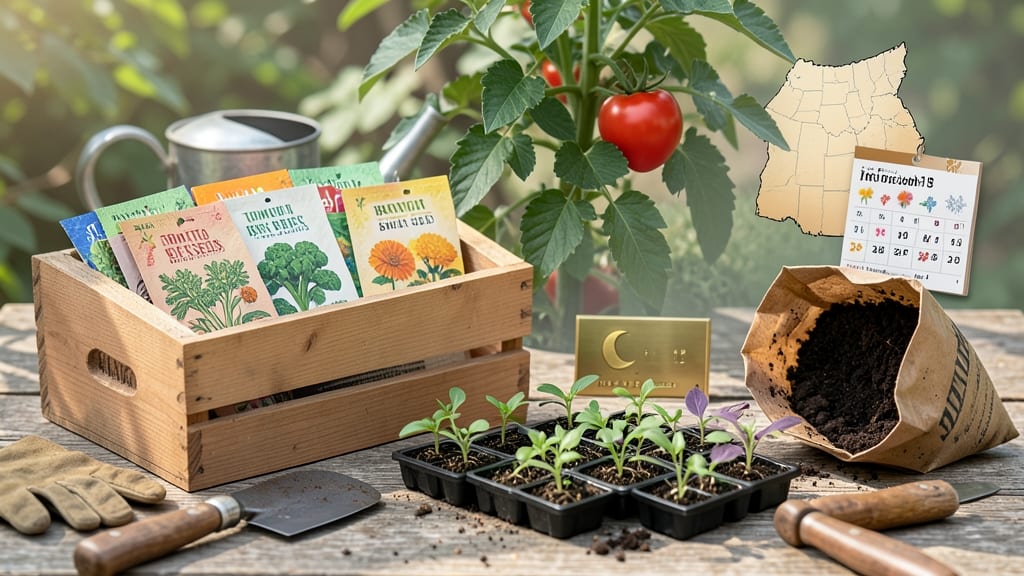
If you’ve ever stared at your seed packets in March, wondering when to plant in Ohio 2023 without guessing, you’re not alone. Ohio’s frost dates can shift dramatically from year to year, turning a perfect planting window into a gamble.
But here’s the good news: with the right timing, you can grow a thriving garden—whether you’re sowing cool-loving spinach in early spring or heat-tolerant tomatoes after the last frost.
This isn’t just about memorizing dates—it’s about understanding Ohio’s unique Zone 6a rhythms. The average last frost typically lands around April 15, but microclimates in urban areas like Columbus or rural spots near Lake Erie can push that window earlier or later.
That’s why knowing exact planting windows for your specific crops—from asparagus to zucchini—is the key to avoiding frost damage and maximizing your harvest.
I’ll break down the ideal months for planting everything from perennials to annuals, plus how to adjust for Ohio’s unpredictable weather.
Whether you’re a first-time gardener or a seasoned green thumb, these insights will help you time your plantings like a pro—so you can enjoy fresh veggies from your garden all season long.
Ready to ditch the guesswork? Let’s dive into the 2023 Ohio planting calendar and turn your garden dreams into reality, frost-free.
Ohio 2023 planting calendar: exact dates by frost zone and crop type
Ohio’s frost zones 5-7 mean your planting timeline depends on whether you’re in southern Ohio (zone 6b-7a) or northern Ohio (zone 5b-6a). For 2023, expect your last spring frost between April 15–May 15, while first fall frost arrives October 10–November 10.
These dates create your 165-day frost-free window—the perfect timeframe for planning.
Cool-season crops like spinach, peas, and lettuce thrive when planted 4-6 weeks before your last frost. Warm-season favorites such as tomatoes, peppers, and cucumbers need to wait until 2-3 weeks after that date.
Perennials like asparagus and rhubarb have their own ideal windows—often planted in early spring or fall.
For northern Ohio (zone 5b-6a), shift planting dates 1-2 weeks later than the table suggests. Southern Ohio gardeners can plant 1-2 weeks earlier. Always check your local frost dates via the NOAA frost calendar or Ohio State University Extension for real-time adjustments.
If you’re growing slow-maturing crops like squash or melons, start seeds indoors 4-6 weeks before your last frost and transplant outdoors after May 15. For fast growers like radishes or lettuce, you can even squeeze in a fall planting by seeding in early August.
Ohio’s microclimates also play a role. Urban areas often warm up faster than rural zones, so container gardens in cities may allow earlier planting. Conversely, low-lying areas can hold frost longer—watch for local frost pockets when choosing planting dates.
Pro tip: Use row covers or cold frames to extend your spring planting window by 2-3 weeks. This is especially helpful for delicate seedlings like tomato or pepper starts that can’t handle even light frost.
For herbs like basil and cilantro, direct sow after your last frost date. Basil, in particular, hates cold soil and will bolt if planted too early. Cilantro, however, bolts in heat, so plant it in early spring or late summer for best results.
Don’t forget about fall planting! Crops like kale, spinach, and carrots thrive in Ohio’s cool fall weather. Aim to plant these by August 15 to harvest before the first frost. This strategy gives you a second harvest without taking up summer garden space.
Finally, keep a gardening journal to track your 2023 planting dates and success rates. Note any unexpected frost events or early heat waves—this data will help you refine your 2024 planting schedule for even better results.
How to adjust planting dates for Ohio’s unpredictable weather patterns
Ohio’s weather can shift faster than a summer storm, leaving gardeners scrambling to adjust planting schedules. Late frosts in May or early freezes in September are common, so flexibility is key. I’ve learned to use row covers, cold frames, and fast-maturing varieties to beat Ohio’s unpredictable conditions—and you can too.
Start by tracking local frost alerts from NOAA or your county’s Ohio State University Extension office. These resources provide real-time updates on frost risks, helping you delay or accelerate planting when needed.
For example, if a late frost is forecasted in mid-April, hold off on planting tomatoes or peppers until after the danger passes.
To extend your growing season, try these proven tactics:
- Use row covers to protect early spring plantings (like spinach or lettuce) from light frosts.
- Hardening off seedlings gradually (7–10 days) before transplanting ensures they survive Ohio’s temperature swings.
- Choose fast-maturing varieties—like ‘Early Girl’ tomatoes (55 days)—to harvest before fall frosts hit.
Ohio’s microclimates also play a role. Urban areas (like Columbus) may frost 1–2 weeks later than rural zones (like Toledo), so adjust dates accordingly. For instance, asparagus crowns should be planted in fall (September–October) in southern Ohio but wait until early spring in northern regions.
If you miss the spring planting window, don’t panic—many cool-season crops (kale, carrots, radishes) thrive when planted in late summer (August) for a fall harvest. Just aim to plant 6–8 weeks before the first frost (typically October 10–15 in Ohio).
Pro tip: Keep a gardening journal to track when you plant and harvest each year. Over time, you’ll spot patterns in your local microclimate and fine-tune your schedule. Patience and adaptability are your best tools in Ohio’s ever-changing garden! 🌱