
Plants
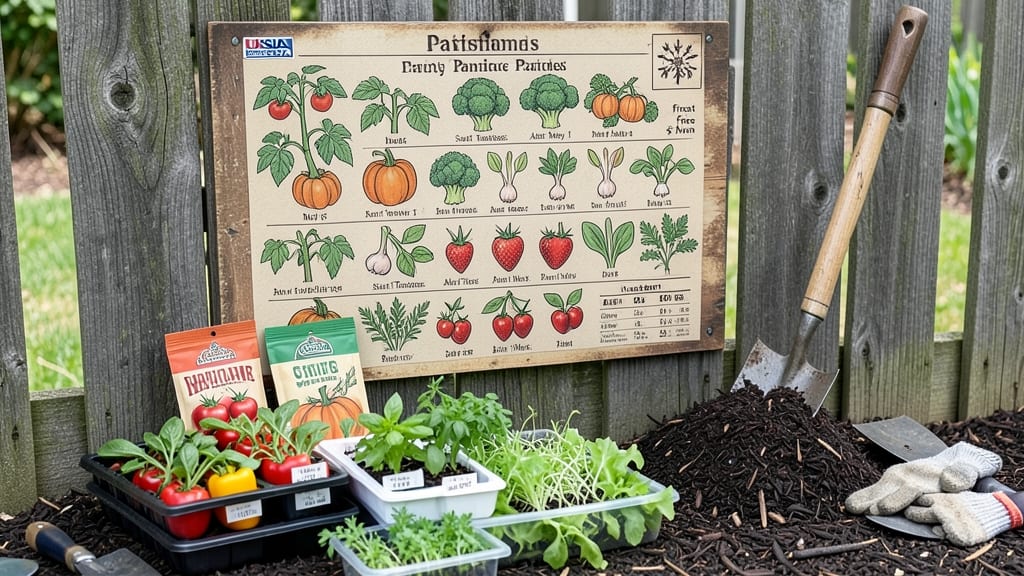
Pennsylvania planting dates by hardiness zone: exact timing for vegetables and flowers
Pennsylvania spans USDA hardiness zones 5b-7a, meaning your planting schedule depends heavily on whether you're in the cooler Poconos (zone 5b) or the warmer Philadelphia suburbs (zone 7a).
The last spring frost typically arrives between April 15 (southern PA) and May 10 (northern PA), while the first fall frost hits between October 15 (north) and November 1 (south). These dates are your golden rule for timing everything from cool-season crops to warm-season favorites.
For cool-season crops like lettuce, spinach, and peas, you can start seeds 4-6 weeks before your last frost date.
In zone 5b, that means mid-March for early varieties, while zone 7a gardeners can begin as early as late February. Warm-season crops like tomatoes and peppers need to wait until 2 weeks after your last frost, so late May in the north and mid-April in the south.
Timing is everything—plant too early, and frost will kill tender seedlings.
🌱 PA Planting Zones & Key Dates
If you're planting perennials or shrubs, early spring (as soon as the soil is workable) or fall (6-8 weeks before frost) are ideal.
For example, daylilies and coneflowers thrive when planted in spring, while hostas and asters benefit from a fall planting to establish roots before winter. Bulbs like tulips should go in the ground by November to naturalize properly.
For vegetables with short growing seasons, like bush beans or radishes, aim to plant them 2-3 weeks before your last frost. These fast growers can mature before summer heat sets in.
Meanwhile, longer-season crops like cabbage or broccoli need a head start indoors, with transplanting 4-6 weeks before your last frost. Succession planting is key—sow lettuce or carrots every 2 weeks for a continuous harvest.
Don’t forget about fall planting! Many cool-season crops can be sown in late summer for a harvest before frost. Spinach, kale, and radishes are perfect for this, as they tolerate light frosts.
In zone 7a, you might even squeeze in a second planting of beans or cucumbers in early July for a late-summer harvest. The goal? Maximize your growing season without risking frost damage.
Pro tip: Use row covers or cold frames to extend your season by 2-4 weeks in both spring and fall. These simple tools can protect tender seedlings from late frosts or warm-season crops from early chills.
For example, tomato plants under a row cover can survive light frosts down to 28°F, giving you an earlier start in zone 5b.
One common mistake? Planting warm-season crops too early. If you see tomato seedlings wilting after a 40°F night, it’s a sign you rushed it. Always check your local almanac or weather service for 10-day forecasts before planting heat-lovers like peppers or eggplants.
In zone 6a, waiting until May 15 ensures soil temps are ideal (60°F+) for germination.
Finally, soil temperature matters more than air temperature. Use a soil thermometer to confirm 50°F+ for cool-season crops and 60°
How to adjust planting dates for pennsylvania’s microclimates and soil conditions
Pennsylvania’s microclimates can vary dramatically even within a few miles, thanks to elevation changes and urban heat islands. For example, Pittsburgh’s last frost often arrives 1-2 weeks earlier than Philadelphia’s, while mountain regions like Poconos may face frost until May 15.
Always check your local USDA zone (5a-7a) and adjust planting dates accordingly.
Soil temperature is just as critical as air temperature. Use a soil thermometer to confirm it’s reached 50°F for cool-season crops or 60°F+ for warm-season plants before planting.
In northern PA (zones 5a-5b), this might mean waiting until mid-May, while southern PA (zones 6b-7a) can start as early as late March for hardy greens.
🚨 CRITICAL: Planting too early in cold soil can stunt roots and invite fungal diseases. A simple trick? Press your hand into the soil—if it feels cool but not icy and crumbles easily, it’s ready for planting.
⚠️ Avoid These Microclimate Mistakes
- Urban heat islands can make city gardens 5-10°F warmer than rural areas—plant heat-sensitive crops (like lettuce) earlier in cities.
- South-facing slopes warm up faster—ideal for early spring planting but may dry out quicker in summer.
- Low-lying areas hold frost longer—wait until after May 10 in these spots, even if neighbors plant earlier.
Pro Tip: Use row covers to extend your planting window by 2-3 weeks in early spring or fall.
For fall planting, aim to sow cool-season crops 4-6 weeks before your first frost. In zone 5a (northern PA), this means late August for spinach or kale, while zone 7a (southern PA) can plant until mid-October.
Test soil moisture—if it’s dry but not frozen, seeds will germinate better than in soggy ground.
Extend your season with cold frames or low tunnels. These can push spring planting back 3-4 weeks and fall harvests forward by 2-3 weeks. For example, radishes or peas can be sown under covers as early as March 1 in most of PA, even if frost is likely.
Finally, amend heavy clay soils (common in PA) with compost or sand to improve drainage. A quick test: Grab a handful of soil—if it forms a hard clump, it’s too dense. Mix in organic matter to create a loamy texture that warms faster in spring.
With these adjustments, you’ll maximize your growing season and avoid the heartbreak of frost-damaged seedlings. Happy planting! 🌱